



A D2C jewellery brand has two dates on the calendar within a month: Valentine’s Day on Sunday, 14 February 2027, and International Women’s Day on Monday, 8 March 2027. Many brands treat them as back-to-back sales. That is a mistake. Valentine’s Day marketing campaigns and Women’s Day campaigns serve different emotions, audiences and expectations, so they need different strategies.
Two Occasions, Two Jobs
Valentine’s Day is a gifting moment. People look for ideas, delivery certainty and a way to say something personal. Women’s Day is a moment of recognition. Audiences notice quickly whether a brand supports women throughout the year or only discounts on one date.
Decide the job of each campaign before you design creative. Valentine’s Day can drive conversion. Women’s Day should build trust, even if it also supports sales. Treating them the same weakens both.
Plan the Valentine’s Day Marketing Campaigns Calendar
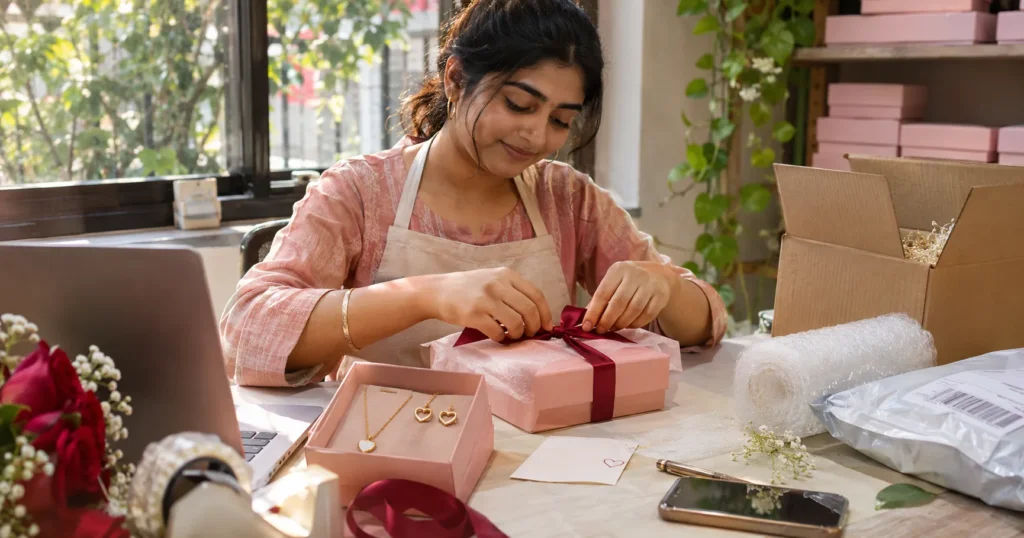
Valentine’s Day falls on a Sunday in 2027, so delivery cut-offs matter. Customers need time for dispatch, especially for personalised or fragile items. Publish your last order date for each region clearly, and consider same-day or next-day options only where you can fulfil them.
A practical sequence:
- Late January: Gift guides, early-bird bundles and creator seeding.
- First week of February: Prospecting campaigns with gift ideas by budget.
- Second week: Retargeting, cart reminders and clear delivery deadlines.
- Final days: Last-minute offers for products you can deliver in time.
- After 14 February: Thank-you messages, review requests and a reason to return.
Creative Ideas for Valentine’s Day
Think beyond romance. Include partners, friends, parents and self-gifting. Not everyone is in a couple, and broader messaging widens your audience.
Strong formats include gift guides by price band, “choose for them” quizzes, reels showing unboxing and packaging, and creator stories about thoughtful gifts. Personalisation can work well when production and delivery are reliable. Keep humour warm and avoid pressure tactics that make people feel inadequate.
Gift Guides Need Conversion Paths
A gift guide that ends at a homepage wastes attention. Create landing pages by recipient, occasion or budget, such as “gifts under ₹1,500.” Show delivery estimates near the buy button and offer gift messages. Cart abandoners should see a reminder with a deadline that you can honour.
DigiStreet Media supports campaigns like this through social media marketing and Instagram marketing services, which suit visual gifting content.
Women’s Day: Lead With Relevance, Not Discounts
Women’s Day campaigns work best when the message connects to the brand’s real purpose or practice. A fashion label might spotlight women artisans or founders in its supply chain. A skincare brand might share honest education instead of beauty pressure. A fintech or wellness brand might offer useful tools. Say only what you can prove.
Avoid generic “Happy Women’s Day, 30% off” posts. They can feel opportunistic, and audiences often notice when a brand’s workplace, leadership and product choices do not match its message.
Women’s Day Campaign Ideas That Feel Authentic

Consider these approaches:
- Customer stories: Invite women customers to share how they use your product, with consent and fair credit.
- Creator collaborations: Work with women creators across different ages and regions, and pay them fairly.
- Internal proof: Share real workplace practices, such as hiring, mentoring or pay transparency, if accurate.
- Community support: Donate or partner with a verified organisation, and explain how the contribution works.
- Useful content: Offer guides, workshops or tools relevant to your category.
If a promotion forms part of the campaign, keep it modest and clear. Let the story lead and the offer follow.
Choose Channels by Objective
Instagram and short video work well for gift discovery and storytelling. Search captures intent such as “gift for wife under 2000.” Email and consented WhatsApp suit delivery reminders and cart recovery. YouTube can host longer stories for Women’s Day.
As a hypothetical example, a brand with ₹5 lakh across both occasions might spend ₹2.5 lakh on Valentine’s Day conversion, ₹1.5 lakh on Women’s Day storytelling and creators, and ₹1 lakh on retention. This is an illustration, not a benchmark.
Respectful Messaging Checklist
Before launch, review each asset with a diverse group. Avoid stereotypes about gender roles, appearance or household duties. Make sure influencer partnerships are labelled clearly under the ASCI influencer guidelines. Check that any claims about empowerment, donations or sourcing are accurate and can be supported.
Measure What Each Campaign Achieved
Valentine’s Day campaigns can track orders, average order value, delivery success and gift message use. Women’s Day campaigns can track engagement quality, saves, shares, branded search, sentiment and assisted conversions. Do not judge the second campaign only by last-click sales.
Review returns and customer feedback after both events. A gift that arrives late or damaged can erase the benefit of a strong campaign.
Regional and Language Sensitivities
Valentine’s Day resonates differently across India. Some audiences embrace it enthusiastically, others prefer family or friendship framing, and some communities may react negatively to certain imagery. Know your customer base and keep tone respectful. Women’s Day messaging also varies by language and culture, so test copy with local reviewers.
Use inclusive visuals that show different ages, body types, regions and family situations. Avoid assuming that every woman is a mother, a bride or a homemaker.
Operations Decide the Experience
A strong gifting campaign depends on packaging, delivery and support. Check that gift wrap, notes and personalised items are ready before you promote them. Train your support team on delivery questions, because customers will ask about timelines daily as the date approaches.
For Women’s Day, make sure internal practices support the message. If you highlight women employees, artisans or leaders, confirm that they agree to be featured and that the story is accurate.
Keep the Conversation After the Dates
Valentine’s buyers may return for birthdays and anniversaries, and Women’s Day audiences may stay if the brand’s values feel real. Ask for reviews, invite customers to share feedback and send relevant follow-ups. Add a simple reminder system for recipients’ special dates, if customers agree to it.
A Sample Calendar for Both Occasions
This is a planning example. In the second half of January, publish gift guides and brief creators. In the first week of February, launch conversion campaigns for Valentine’s Day. Around 10 February, share final delivery deadlines. After 14 February, request reviews and pause gifting creative. In the last week of February, prepare Women’s Day stories and secure consent from featured customers or team members. On 8 March, publish the main story, and keep conversation open in the days that follow.
Copy Directions That Feel Human

For Valentine’s Day, consider lines that focus on thought, such as “A small gift that says you noticed.” For Women’s Day, try copy that shows rather than claims, such as “Meet the women who make our products,” followed by real names, roles and stories with consent. Avoid hollow slogans that anyone could place on any brand.
Test your plan with real customers when you can. Send two or three draft messages to a small group, ask which feels sincere and adjust before launch. This simple step catches tone problems early, particularly for Women’s Day content, where a single awkward line can overshadow the rest of the campaign. Small reviews like this also train your team to spot assumptions they might otherwise miss.
Plan Both Moments With Care
The best Valentine’s Day marketing campaigns focus on thoughtful gifting and reliable delivery, while Women’s Day work focuses on authenticity and respect. Build separate plans, test creative and measure each against its own goal. If you want help shaping creative and channel plans for both dates, you can talk to DigiStreet Media about campaign support, including influencer marketing for creator collaborations.
Reference Links
| Relevant Topic or Resource | Why It Is Relevant | Verified Link |
|---|---|---|
| DigiStreet Media social media marketing | Supports gifting and storytelling content | https://digistreetmedia.com/services/social-media-marketing/ |
| DigiStreet Media Instagram marketing | Supports visual gifting campaigns | https://digistreetmedia.com/services/social-media-marketing/instagram-marketing/ |
| DigiStreet Media influencer marketing | Supports creator collaborations | https://digistreetmedia.com/services/influencer-marketing-agency/ |
| Khaitan and Co: ASCI influencer advertising guidelines | Source for disclosure and shared responsibility | https://khaitanco.com/thought-leaderships/ASCI-releases-influencer-advertising-guidelines-for-digital-media-Effective-14-June-21-onward |
Frequently Asked Questions
When is Valentine’s Day 2027?
Valentine’s Day falls on Sunday, 14 February 2027. Plan delivery cut-offs early because the date falls on a weekend.
When is International Women’s Day 2027?
International Women’s Day falls on Monday, 8 March 2027.
How early should brands start Valentine’s Day campaigns?
Start gift guides and creator seeding in late January, then increase conversion activity in the first two weeks of February.
Should brands run discounts on Women’s Day?
Only if they fit the brand and the story. Lead with relevance and authenticity, and keep any offer modest and clear.
What are good Valentine’s Day campaign ideas for D2C brands?
Gift guides by budget, choose-for-them quizzes, creator stories, unboxing reels and personalised bundles all work, if delivery is reliable.
How can brands avoid tokenism on Women’s Day?
Share only claims you can prove, pay women creators fairly, feature real stories with consent and connect the campaign to year-round practice.
Which channels work best for Valentine’s Day marketing?
Instagram and short video drive discovery, search captures intent, and email or consented WhatsApp support reminders and cart recovery.
How do you measure Valentine’s Day and Women’s Day campaigns?
Track orders, average order value and delivery success for Valentine’s Day, and engagement quality, sentiment and assisted conversions for Women’s Day.