Creator-style video ads built as a testable set, with several films sharing the work across hooks, angles and placements. DigiStreet plans the hooks, scripts the spoken beats, directs the shoot and edits every version for the placements named in your brief.
20-video packs cost ₹1,60,000 + GST—₹8,000 per finished video. Five and ten-video starting packs are listed below.
Real client work
Vertical-first filming 5, 10 or 20 videos Scripts + edit round Built for testing Usage rights recorded
The answer first
The price and the job, before production starts
UGC ad production starts at ₹75,000 plus GST for five videos. Ten videos cost ₹90,000 plus GST, and twenty cost ₹1,60,000 plus GST. Each pack covers a planned set of creator-style films for paid placement, with distinct jobs assigned across the batch.
Every finished film has a defined job: stop a specific scroll, answer one objection, demonstrate the product, make the offer easier to understand or give the media team a fresh opening to test. The product, buyer, claim and call to action are agreed before the shoot.
The production scope includes scripting, creator-style filming, editing and one round of changes. Media spend, account management, product shipping, extra revision rounds and creator usage terms beyond the agreed scope are priced separately.
Volume changes the size of the test library while the production stages stay consistent. Start with the number of ideas the account genuinely needs to compare.
5-video test pack
₹75,000 + GST
₹15,000 per video
A contained first test for one product or offer. Five different openings or objections give the media team an initial comparison without committing to a large library.
Scripting and creator direction
Vertical filming and editing
One edit round per finished video
10-video growth pack
₹90,000 + GST
₹9,000 per video
More room to compare hooks, speaker styles and product angles, with replacement creative ready when an early winner starts to tire.
Scripting and creator direction
Vertical filming and editing
One edit round per finished video
20-video always-on pack
₹1,60,000 + GST
₹8,000 per video
The broadest test library and the lowest unit price, suited to accounts that need fresh paid-social creative throughout the month.
Scripting and creator direction
Vertical filming and editing
One edit round per finished video
Creator and paid-media rights are written into the proposal. The approved scope records the territory, term, placements and permitted recuts before launch.
Watch the work
Real UGC films inside the page
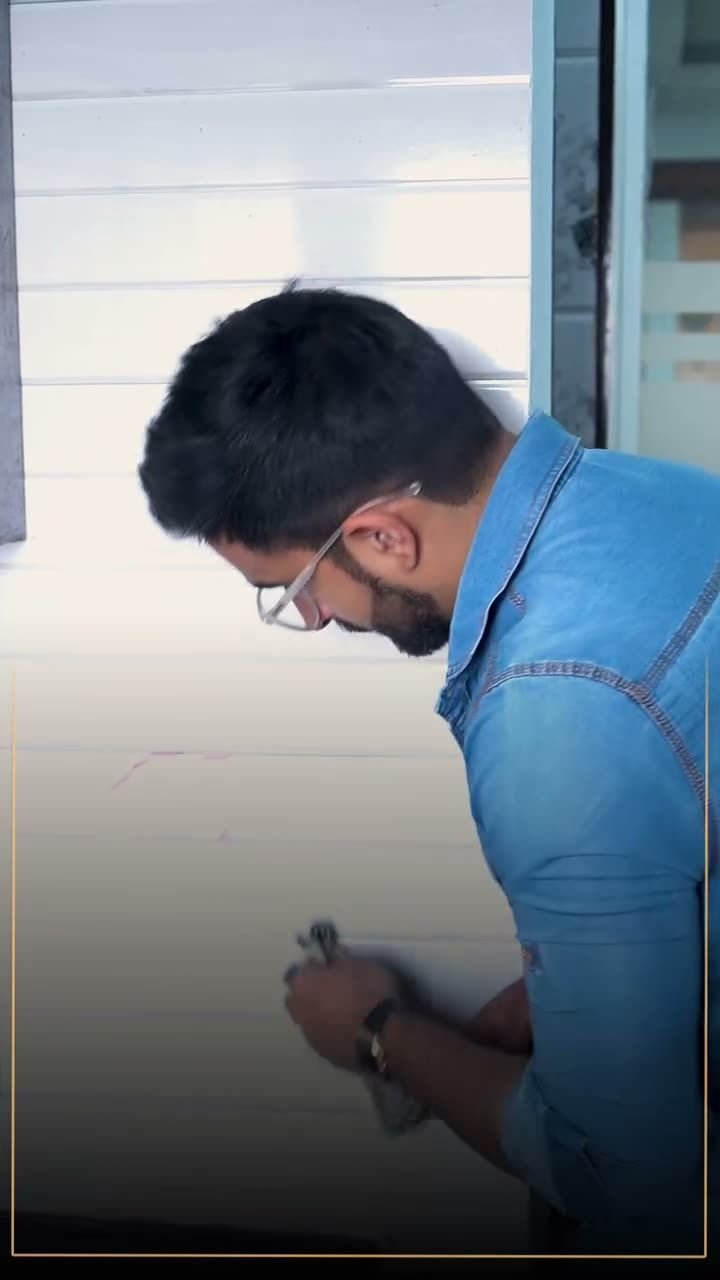
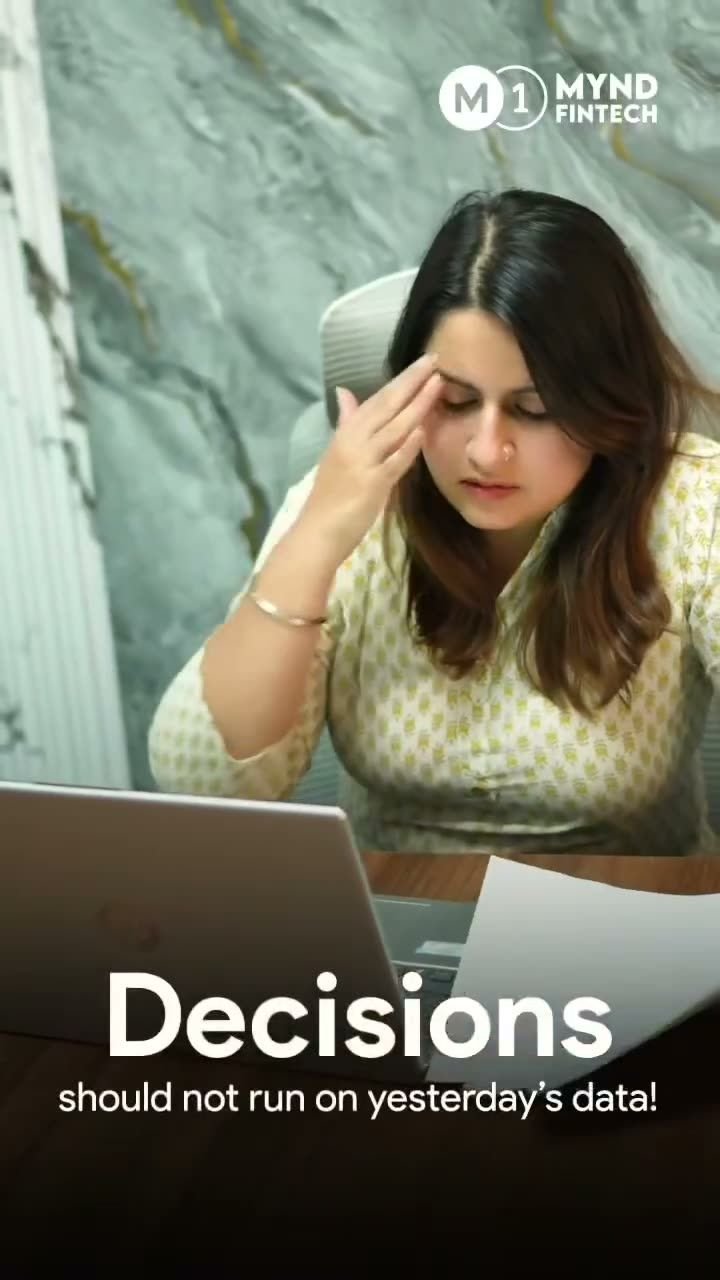
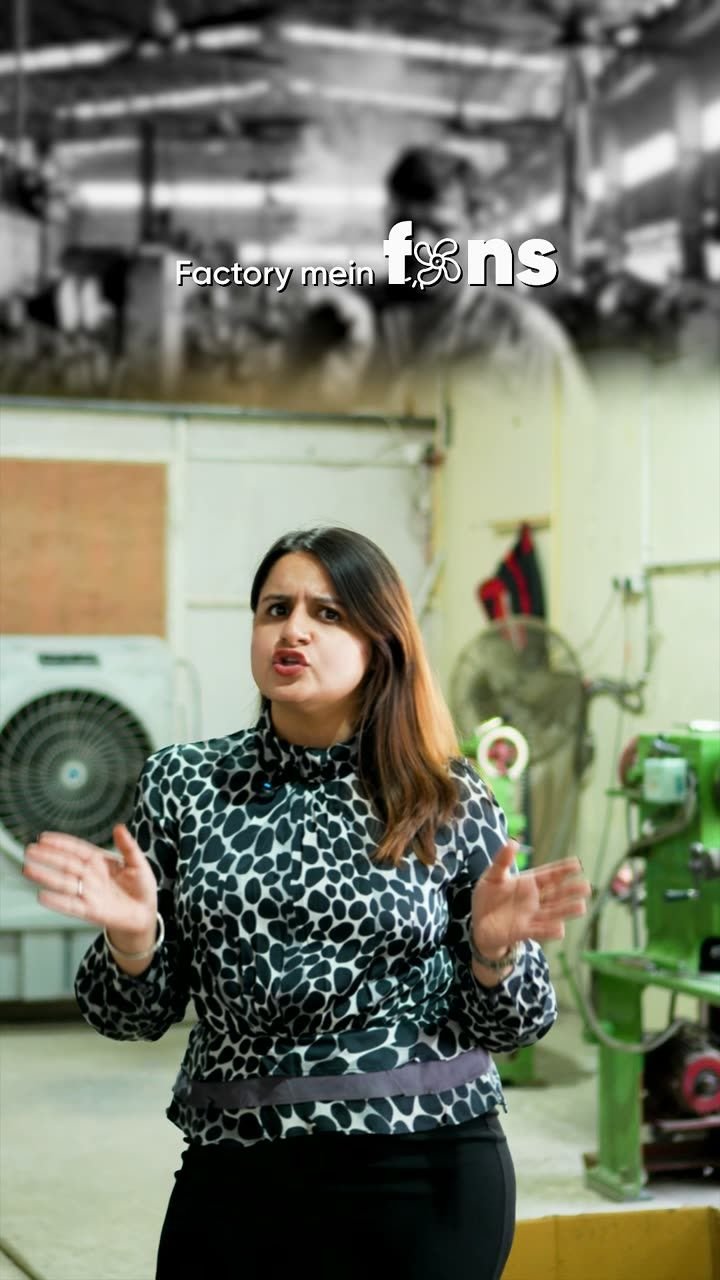
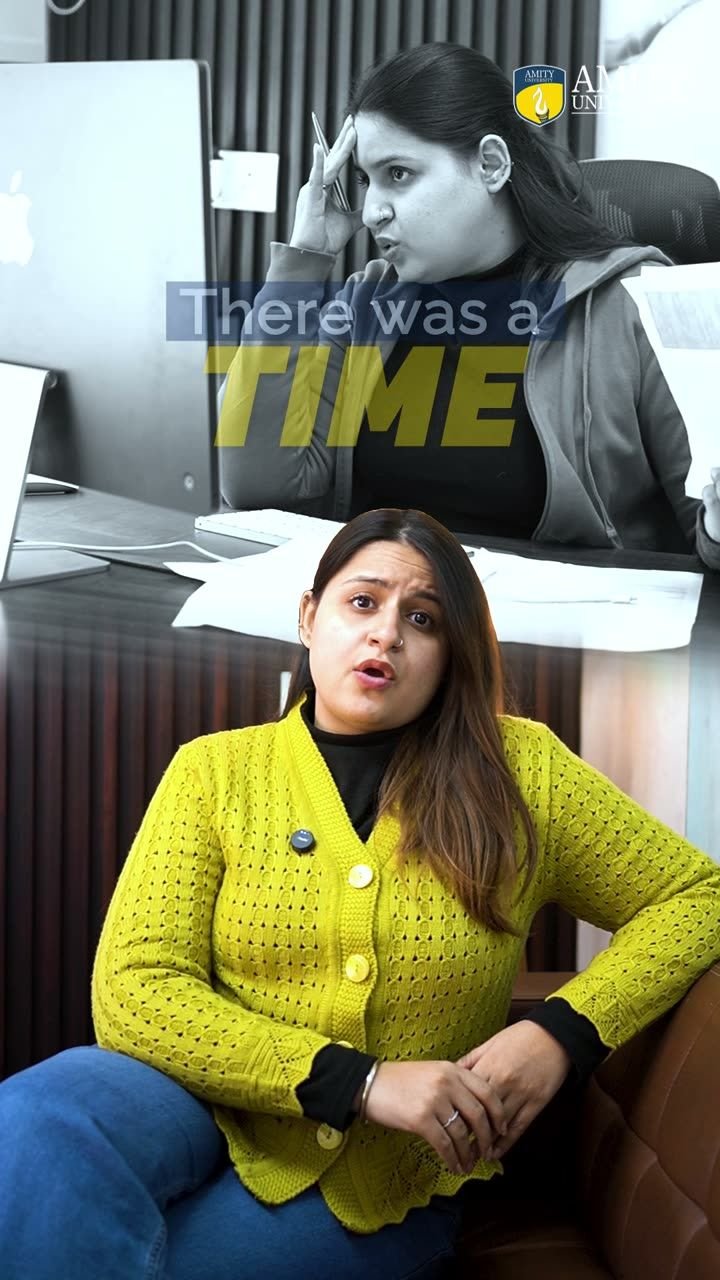
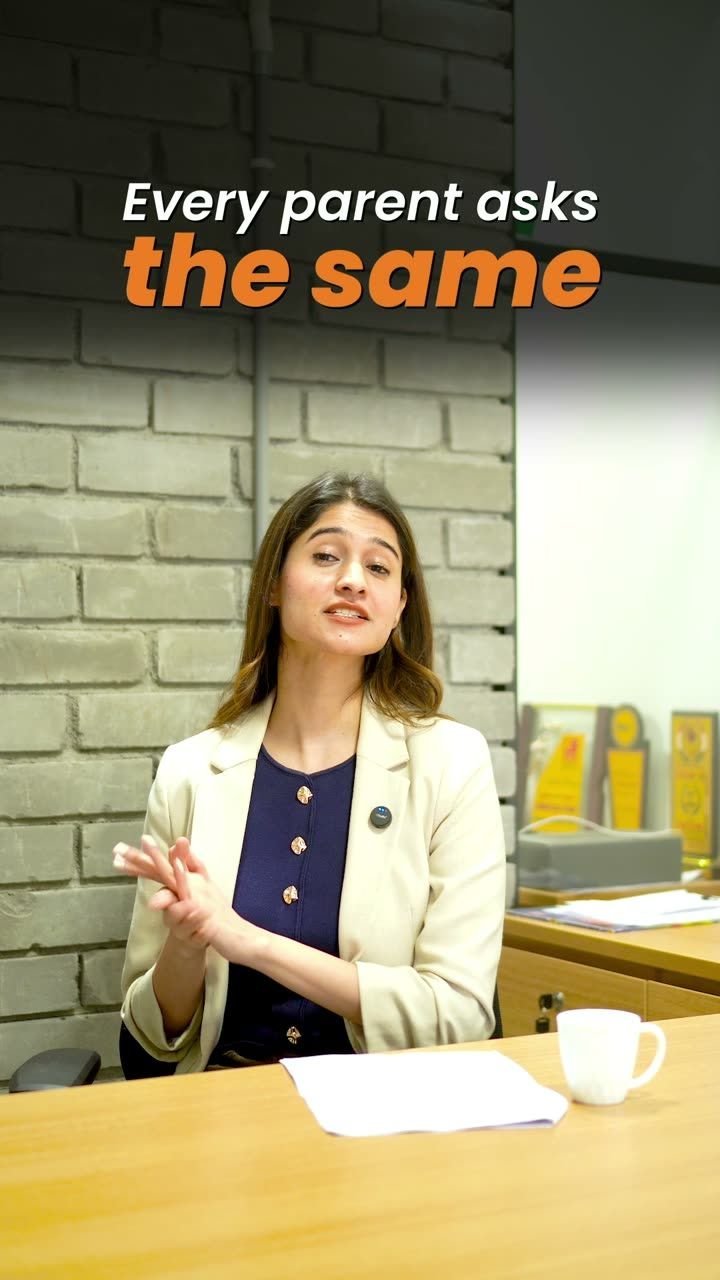
These are published DigiStreet productions across ceramics, fintech and healthcare. Open a film to see how creator-led, in-house and product-explainer formats change with the category.
A casual-looking frame still needs a deliberate system behind it. Product handling, spoken delivery, light, sound and pacing determine whether the film feels believable or simply unfinished.
The brief and filenames stay tied to the test map. When results arrive, the team knows which hook, angle and creator style each live ad used. That record makes the next shoot more useful than the last.
Production systemKarara CeramicsCreator-led showroom walkthrough
Step 01 / 04Map the test
01Step 01
Map the test
We review the product, offer, buyer, media placement and existing account history. Hooks, objections and demonstrations are assigned across the batch so every film has a reason to exist.
02Step 02
Cast and script
The creator or in-house route is agreed, product claims are approved, and every script is shaped for spoken delivery rather than written like a brochure.
03Step 03
Film and edit
Product handling, framing, light and sound are directed for a believable vertical film. Each version is edited into the agreed durations and placements.
04Step 04
Read and replace
The client or media team matches account data back to the test map. Stronger ideas remain active; weak or tired openings become the next production brief.
Plan the first test
What a useful batch can answer
A five-film batch can compare a focused set of openings for one product when the offer, audience and landing page remain stable. It can show whether a direct problem statement, a demonstration, a proof point, a question or an objection-led opening deserves more production.
A ten or twenty-film batch gives the media team more combinations to work with. The plan might hold the offer steady while the speaker and hook change, or hold the creator steady while different benefits and objections are tested. The variables are chosen before production so the account does not receive a folder of videos that all make the same point.
The production brief also names the fixed variables in the test. Holding the product, price, audience and landing page steady gives each opening a readable comparison. That clarity is as important as making the frame look polished.
Account-ready handover
The media team receives more than files
Each approved video should carry a clear filename, hook or angle label, platform cut and usage note. That makes it possible to match the finished asset to the brief and to record why it stayed active or was replaced.
For ecommerce, the useful trail may run from early-view signals to product-page visits and purchases. For a service business, it may run from the ad to a landing-page visit, form completion and qualified enquiry. The event selected should be one the business can verify.
UGC production pricing on this page does not include media buying. DigiStreet can manage paid media under a separate scope, or hand the organised library to the client’s existing team. In either route, the account data should inform the next batch.
The handover records the product, speaker, opening line, angle, duration, aspect ratio and approval date. A media buyer can scan that record before launch and group comparable films together. A brand team can also see which claims and usage terms apply to each file. This avoids a common production problem: good footage arrives, but nobody can tell which version was made for which decision.
The same record supports replacement planning. A film that earns attention but loses people before the offer may need a shorter middle. A film that sends qualified visits but delivers slowly may need more openings built around the same angle. A film that reaches the right buyer and supports enquiries can become the base for a fresh speaker, setting or demonstration. The next brief grows from a named observation rather than a general request for more content.
Review rhythm matters as well. The approver should check the product claim, spoken script and first frame before filming. The media owner should confirm placements and durations before editing. Once the batch is live, creative labels should match the final filenames. These simple controls keep production, approval and account reporting connected.
Record loggedMynd FintechTrust-led creator explainerRecord loggedJagat PharmaIn-house product education
Give AI a clear job
Put AI on labelled creative variants
AI-made creator-style films can add hook, language and format variants when physical production cannot supply every version within the same schedule. They are useful for directed product explanation and clearly labelled creative experiments.
Real experience claims use a real creator with the appropriate approvals and usage rights. Generated people stay within directed product explanation and clearly labelled creative experiments.
A mixed plan can use real creator production as the evidence layer and AI-made variants for scale. The proposal should label which is which, and the media team should be able to trace both back to the approved brief.
The five-video pack is ₹75,000 plus GST, the ten-video pack is ₹90,000 plus GST, and the twenty-video pack is ₹1,60,000 plus GST. That works out to ₹15,000, ₹9,000 and ₹8,000 per finished video. Media spend and ad-account management are separate.
They are different purchases. A UGC ad buys production and agreed usage of a creator-style film. Influencer marketing also buys access to a named creator’s audience and endorsement. The same person can do both jobs, with separate terms for distribution and price.
Five is the smallest pack. Ten gives a paid team more room to compare hooks, speakers and objections. The right number depends on how many products, audiences and offers are active in the account.
Yes. A scope can include vertical cuts for Meta placements and YouTube Shorts, plus other aspect ratios agreed before editing. One shoot can supply several cuts when the required platforms and durations are named in the deliverable list.
AI can help produce creator-style variants, language versions and product explanations. Real experience claims use a real person with the appropriate approvals. Generated variants are labelled in the production plan.
The proposal confirms the exact paid-media rights, territory and duration. It records the approved usage term and permitted recuts before the films go live.
Ready to scope the batch?
Bring the product, offer and account history
We will turn them into a clear first batch and state the recommended pack before production starts.