Product and service entities
Names, categories, features, intended users, applications and relationships need one maintained source. Product and service pages should state these facts directly and link them to supporting material.

DigiStreet helps brands make their products, services, expertise and evidence easier for search and answer systems to interpret. Generative engine optimization is included in every published SEO tier. The work combines technical access, direct answers, entity relationships, credible sources and monitoring without creating a second version of the website for AI platforms.
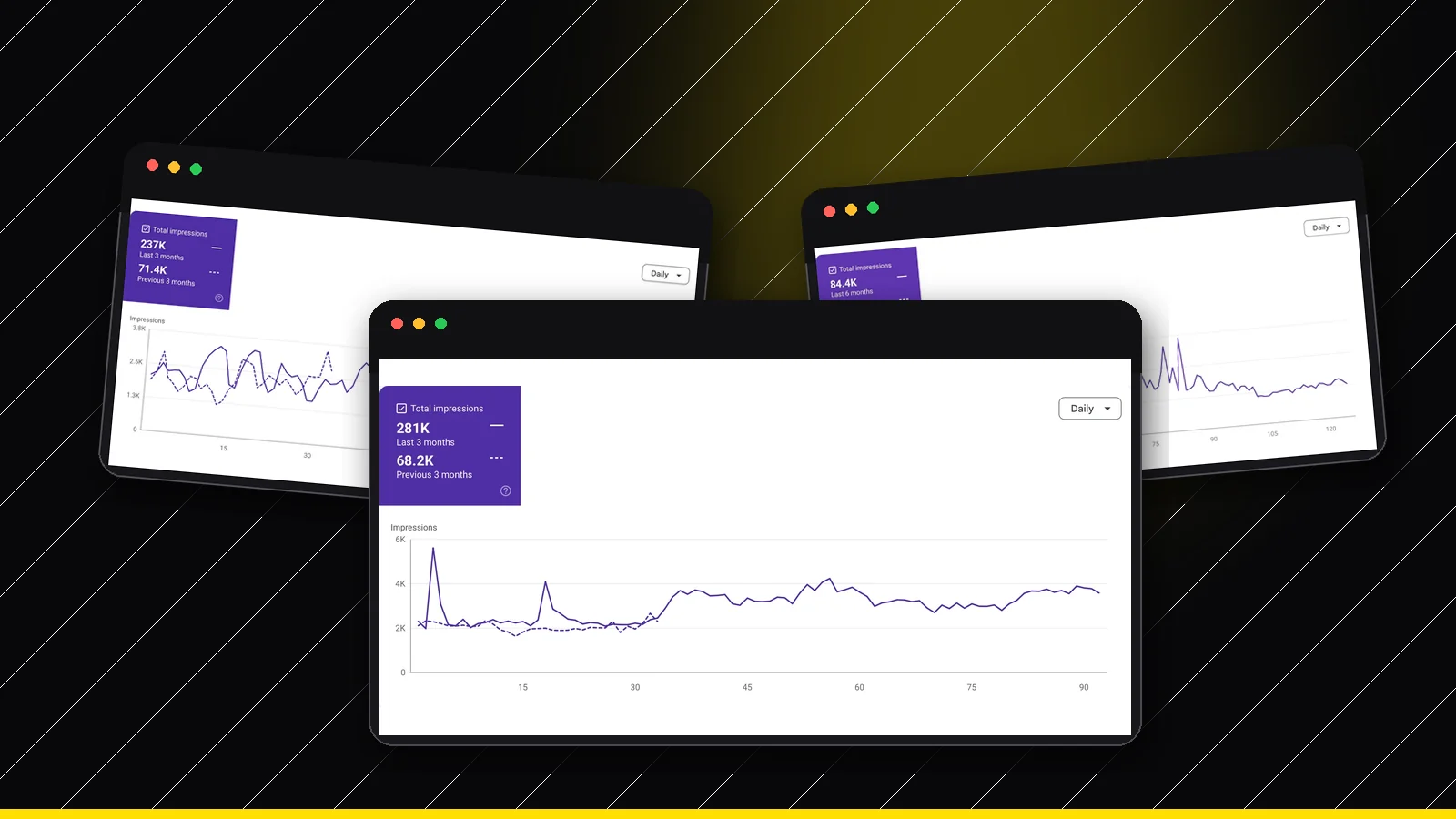
Generative engine optimization improves the clarity and evidence behind a brand’s presence in AI-led discovery. The work begins on the website: crawlable pages, clear entities, direct explanations, maintained facts and meaningful connections between products, people, locations and supporting sources. Monitoring then shows where the brand or its competitors appear in relevant answer experiences.
DigiStreet includes AEO and GEO visibility monitoring in its SEO plans. Starter is ₹50,000 plus GST a month, Growth is ₹75,000, Scale is ₹1,25,000 and the resource-based plan is ₹2,00,000 plus GST a month. The correct tier depends on the number of markets, page systems, evidence gaps and production load. No separate GEO fee is added to those published retainers.
DigiStreet publishes a short FAQ-led explanation. This rebuild keeps the direct answer while adding the operating detail a buyer needs: what gets reviewed, how sources are selected, which pages are changed, how prompts are monitored and how GEO sits beside classic organic-search work.
A useful programme maps the public questions that matter to the business, then checks whether the available pages and external references give an answer system enough consistent evidence.
Names, categories, features, intended users, applications and relationships need one maintained source. Product and service pages should state these facts directly and link them to supporting material.
Company identity, expertise, leadership, authors and locations help a system understand who is responsible for a statement. Profiles and organisational facts should agree across owned properties.
Buyers ask how a service works, where it fits, what it costs and how options differ. Direct answer blocks can serve those questions when the surrounding page provides enough context and evidence.
Case studies, first-party data, recognised directories, industry sources and relevant coverage can support claims. The programme records which sources are owned, earned or maintained by another party.
We begin by identifying the brand, products, services, people, locations and topics that matter to the commercial brief. Each entity receives a source page and a list of relationships that should be clear to a reader. A software product might connect to use cases, integrations, customer groups and documentation. A manufacturer might connect products to specifications, applications, sectors and distributors. A healthcare organisation may connect specialties, clinicians, services and locations. The audit finds missing, conflicting or inaccessible records before new content is commissioned.
Technical SEO remains the foundation. Crawlers need stable URLs, sensible status codes, canonical signals, internal links and renderable main content. Important facts should not depend on an interaction that a crawler cannot reach. Sitemaps, structured data and page templates are checked against the information visible to users. Schema can describe a relationship, but it cannot repair a weak or contradictory source page. The recommendation therefore begins with the page and uses markup to support what the page already states.
Answer design is handled at page level. We map the actual question, decide who needs the answer and write a concise response that can stand on its own. Supporting sections then explain conditions, examples, process, price or evidence. This is different from placing dozens of disconnected questions at the bottom of every page. A direct answer should help a person complete research while also giving machines a clean passage to interpret.
Evidence receives an owner and review date. A public price belongs to a maintained pricing source. A performance statement links to a case record. A product claim points to approved documentation. A local fact uses an authoritative public source. The team records when a fact was checked and who can approve a change. That discipline reduces the chance that search pages, sales decks and AI answers repeat different versions of the same information.
Prompt monitoring uses a defined set of buyer questions and platforms available to the project. We record whether the brand appears, how it is described, which pages or third-party sources are cited, and which competitors receive the answer. A single response is not treated as a permanent ranking. Repeated checks create a working picture of source visibility and reveal where the website needs a clearer page, stronger evidence or better internal relationships.
Classic SEO data stays in the review. Search Console queries, page discovery, crawling, rankings and organic conversions show whether the site is building useful demand in standard results. GEO observations sit beside those measures, not in place of them. The monthly decision may call for a technical repair, a better service page, a cited research asset, a refreshed case study or no change at all when the source already answers the question well.
The monitoring sheet records the exact question, platform, date, answer state, brand mention, position in the response where useful, cited sources and competing entities. Screenshots or source links preserve the observation. The report avoids turning one generated answer into a broad visibility percentage unless the measurement method can support that number.
Source movement matters as much as brand mention. A brand may appear without its own site being cited, or its page may be cited while the generated description misses an important fact. Those are different tasks. The first may call for a stronger primary source or external authority. The second may call for clearer wording, structured relationships or consistency across pages.
Commercial relevance keeps the programme focused. We separate curiosity prompts from questions a real buyer asks while evaluating a category, provider, product or location. Search enquiries, assisted pages, demos, calls and qualified leads remain part of the monthly review. GEO activity earns continued production when it improves the source system and supports useful discovery.
Change is documented carefully. Generated responses can vary by time, model, account and context. Reports state what was checked and avoid claiming permanent placement. This makes the evidence useful to editors and executives without presenting a temporary output as a guaranteed position.
A maintained record of priority entities, their source pages, factual relationships, evidence owners and review dates.
Crawl access, rendering, canonical signals, internal links, sitemaps, structured data and template issues that affect how source pages are read.
Questions are grouped by intent and assigned to pages with a direct response, supporting context, proof and a useful next action.
Case studies, original explanations, expert input, documentation and cited public sources are turned into assets that deserve reference.
A controlled question set is checked across agreed answer experiences, recording brand presence, description, citation and competitor patterns.
GEO observations, technical delivery, content releases, organic discovery and business actions are reviewed before the next priority list is set.
The published fee covers the agreed SEO, AEO and GEO programme. The proposal states the page, content, technical and monitoring workload assigned to the tier.
A focused product, service or market with a contained source and page system.
Choose StarterSeveral services, categories or audience groups needing regular page and evidence work.
Choose GrowthCompetitive discovery across a larger site, content programme or national market.
Choose ScaleTwo dedicated search specialists for a sustained technical and editorial backlog.
Get a quoteAEO and GEO visibility monitoring is part of each tier. The proposal defines platforms, prompt sets, technical work and content volume so the monthly workload is visible.
The schedule moves from entity clarity and technical access to answer content, evidence and repeatable monitoring.
We interview product, sales and subject owners, review the site and select the questions that represent meaningful discovery for the business.
Priority entity pages, internal relationships, technical blockers and conflicting facts are documented and corrected in an agreed release order.
Page sections, documentation, case material and source citations are produced around the approved question map and reviewed by the responsible client owner.
The team repeats the prompt set, records citations and descriptions, reviews classic search evidence and sets the next source or page priorities.
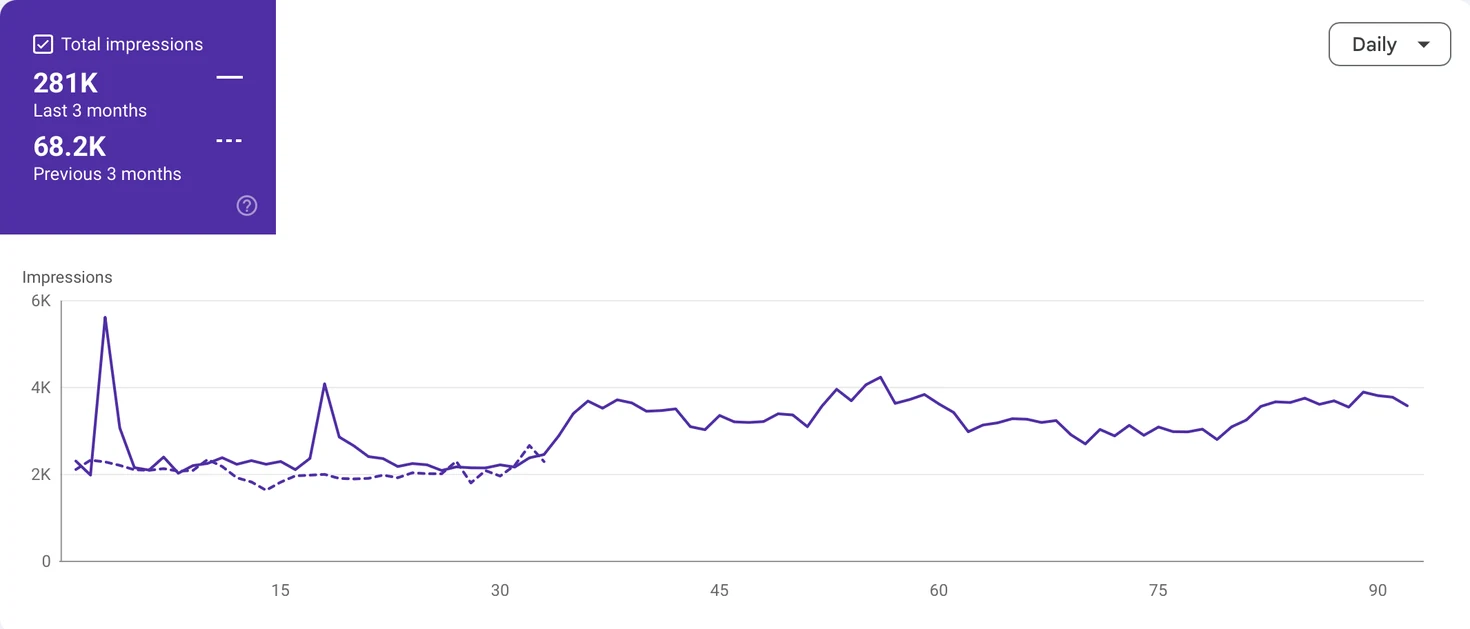
The Intex GEO case study includes a real Google generative AI impressions chart alongside the source website and campaign material used for the brand.
View published work →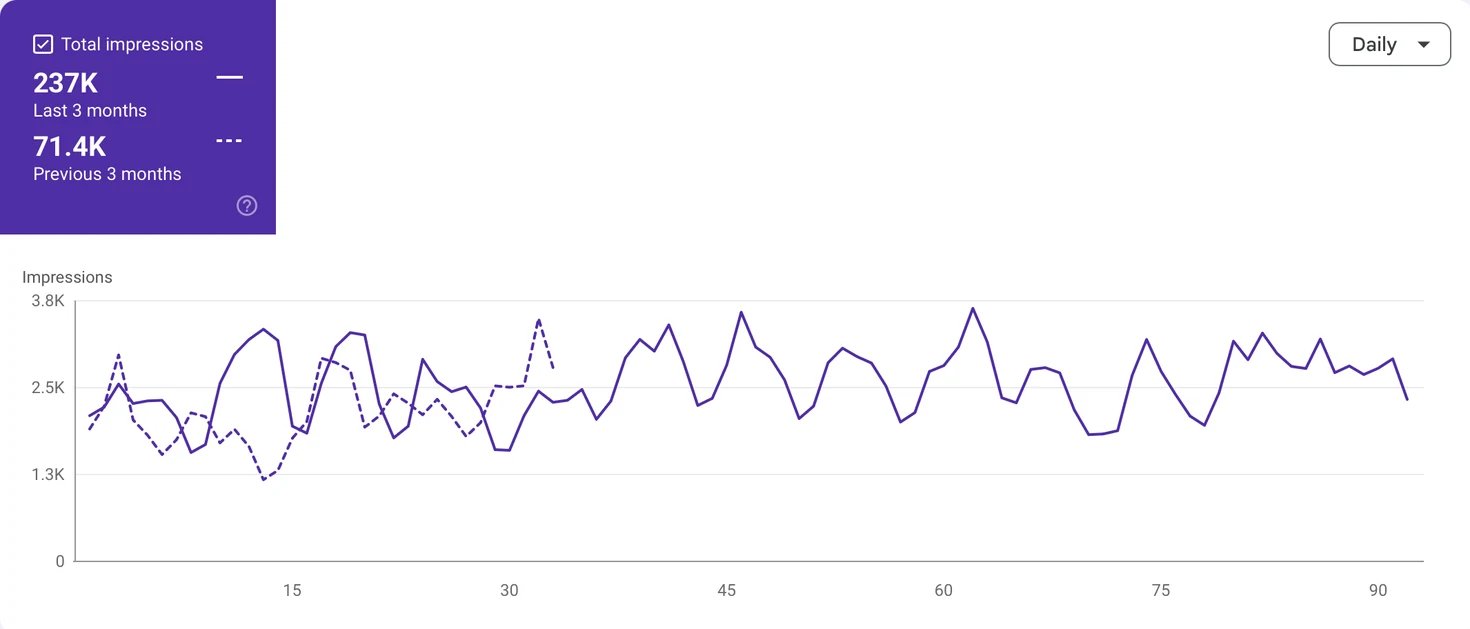
The JBM Group case-study asset shows published generative-search evidence for an enterprise organisation without replacing the client data with an invented dashboard.
View published work →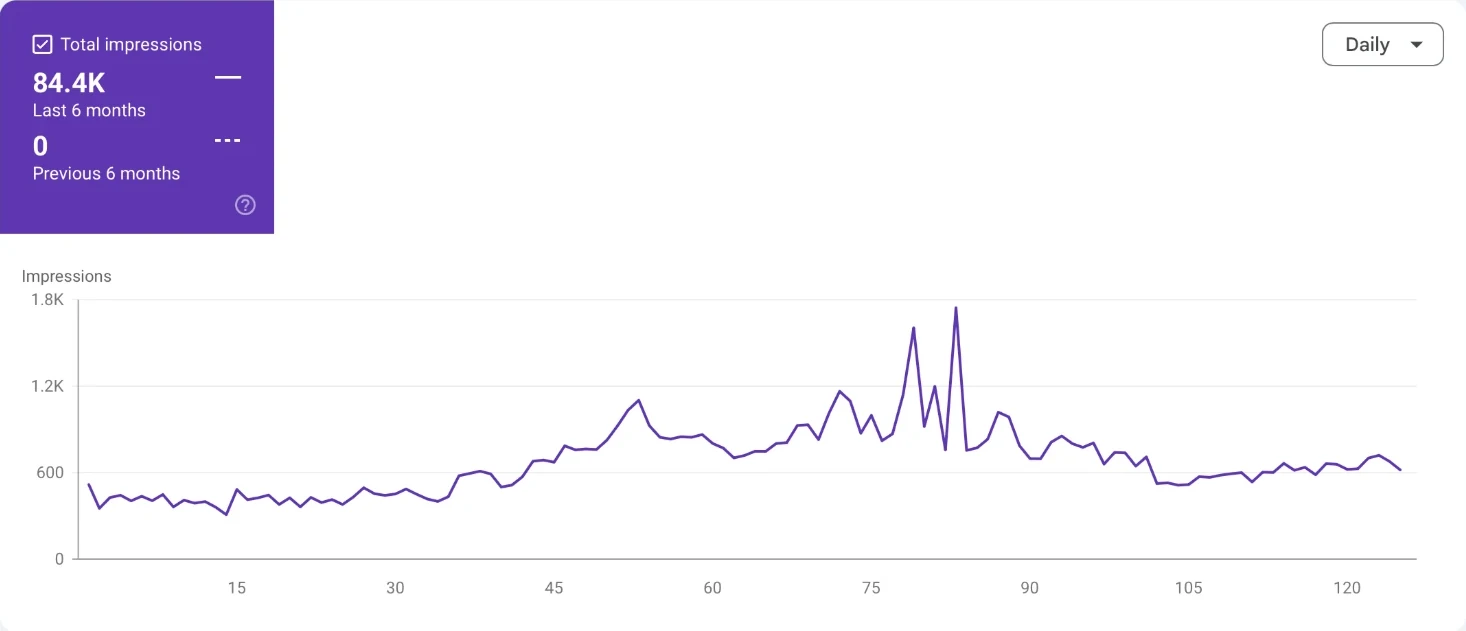
The Pravek Kalp GEO case study supplies a real chart that can support discussion of entity, content and source work for a product-led business.
View published work →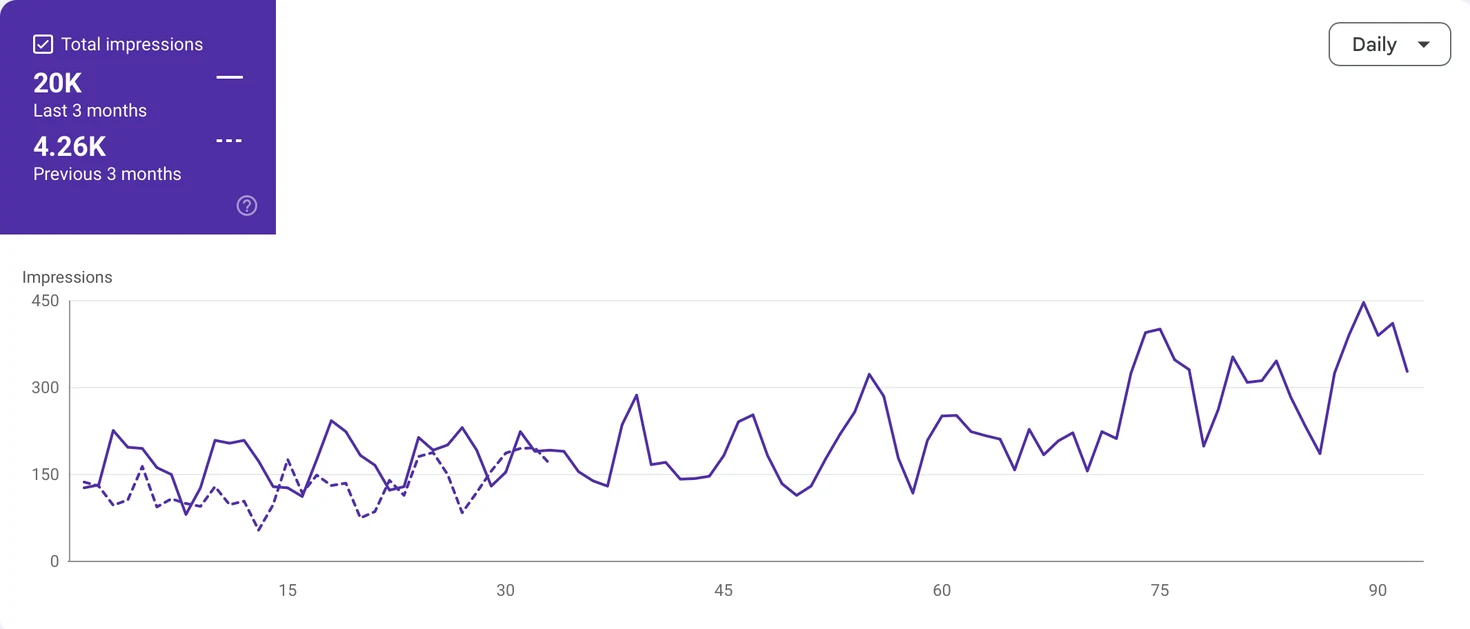
DigiStreet’s own GEO case records generative-search visibility using a published chart from the same type of monitoring offered inside the SEO plans.
View published work →Send the products, services and buyer questions that matter most. DigiStreet will map the source pages, technical gaps, evidence and monitoring set needed for the opening GEO and SEO cycle.
Awarded Digital Marketing Agency
Over 100
 reviews


