Measurement and access audit
Ownership, billing, tags, conversion actions, forms, feeds and client reporting inputs checked.

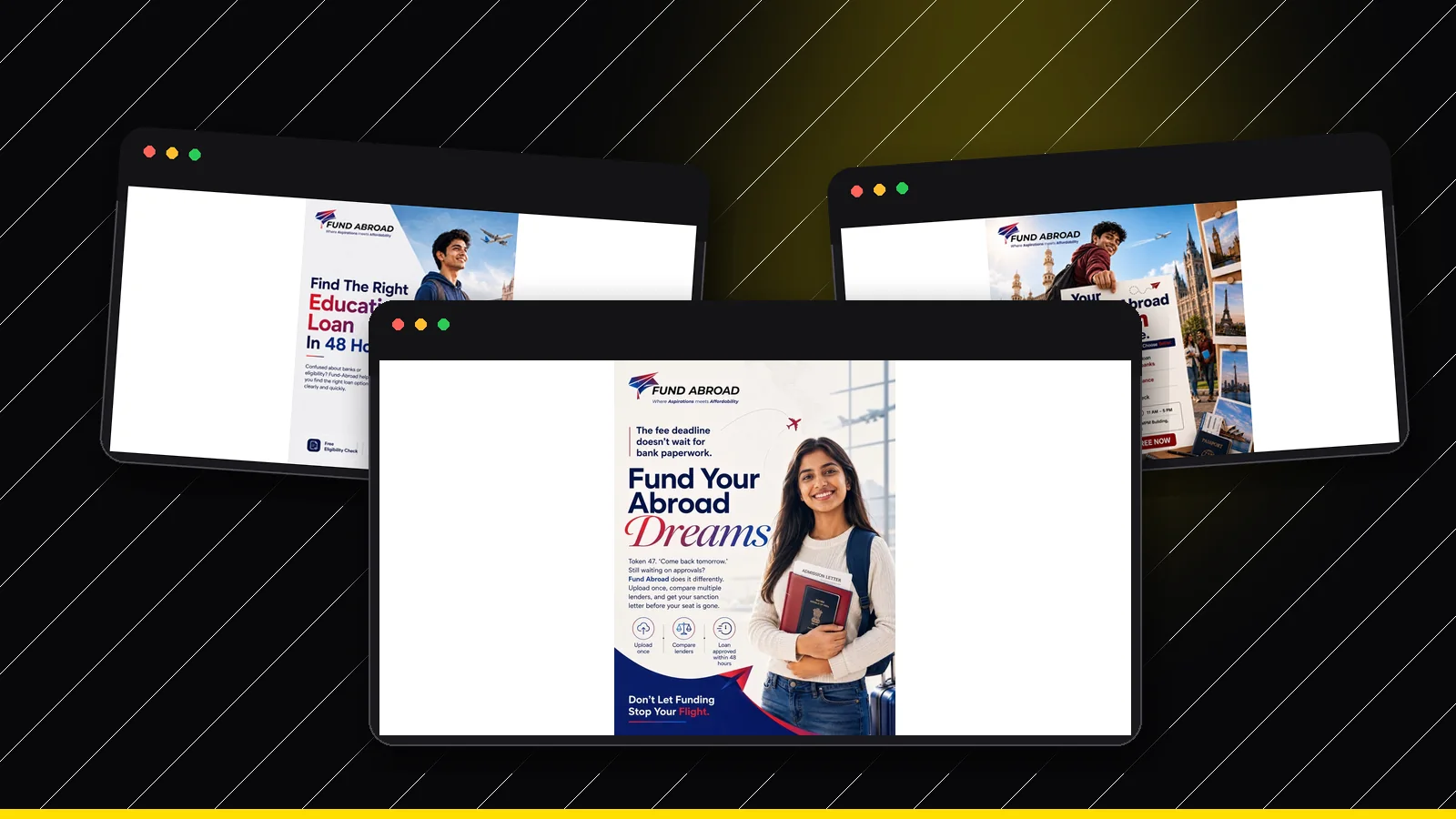
DigiStreet connects paid media with the message, landing page and sales or commerce feedback that follows the click. We manage campaigns in client-owned accounts, document what changed, and report leads or orders with the quality signals the client can return. Real Fund Abroad creative from a published case study carries the visual story on this page.
A performance marketing agency plans and manages paid acquisition against a defined business event such as a qualified enquiry, booked appointment, completed order or attributable revenue. Its work includes account structure, tracking checks, audience and keyword choices, creative tests, landing-page observations, budget pacing and reporting.
DigiStreet charges the higher of 15% of monthly media spend or ₹50,000 plus GST a month. The rate applies to the whole media budget: 15% below ₹20,00,000, 10% from ₹20,00,000, 8% from ₹50,00,000, and 4% from ₹1,00,00,000. Media is paid separately through the client’s accounts. A sensible test floor is ₹50,000 to ₹1,00,000 a month of media.
The work is organised around the buyer question, the production or search source, and the action that follows.
Ownership, billing, tags, conversion actions, forms, feeds and client reporting inputs checked.
Campaigns grouped around offer, intent, audience, geography and a declared business event.
Named messages and formats tested with a change log that can feed the next production brief.

A form fill, phone call, WhatsApp start, qualified lead, appointment, order and collected revenue are not interchangeable. The campaign brief identifies the event the platform can measure and the downstream event the business cares about. That prevents a report from celebrating cheap leads that never reached the right sales queue.
For lead generation, the client defines qualification and returns status fields on an agreed rhythm. For commerce, the team confirms revenue source, tax, cancellation and return treatment. The measurement plan does not need to be complicated; it needs shared definitions and a reliable owner.
Google, Meta, LinkedIn and analytics access should sit in client-controlled business assets. DigiStreet receives the permissions needed to manage and report. This arrangement preserves history, billing records and audiences if the working relationship changes.
The access checklist covers account ownership, billing, pixels or tags, conversion actions, catalogues, feeds, landing pages and the person who can approve technical fixes. Missing access is logged early because media cannot compensate for an unrecorded conversion or a broken form.
Search campaigns separate brand, category, problem and competitor intent where budget and policy allow. Paid social separates prospecting, engaged audiences, customer exclusions and retargeting based on the actual funnel. Commerce work maps products, margins, stock and feeds before dividing campaigns by fashionable acronyms.
Naming and labels let another person understand why each campaign exists. Budgets, location, language, device or schedule choices are recorded in the change log. A clean structure makes investigation quicker when costs move and keeps tests from contaminating the stable part of the account.
A test should say which buyer, message and format changed. One creative may lead with a deadline, another with a process, and a third with a location or product proof. The Fund Abroad work shown on this page demonstrates three real visual routes while keeping the work attached to its public case record.
Static work, creator video, product demonstration and offer-led copy can each have a place. The next production brief uses media evidence alongside brand and sales feedback. Winning an inexpensive click is not enough when the landing page and final lead quality point elsewhere.
The headline, offer, proof and action should match what the person clicked. A generic home page often forces the visitor to begin their research again. We review the destination for mobile speed, message continuity, form behaviour, confirmation, privacy information and the route into sales or fulfilment.
Page experiments need enough traffic and one clear difference. Sometimes the largest problem is not layout but missing information: price context, eligibility, location, stock, delivery, process or evidence. The campaign log separates page changes from media changes so the team can read the result.
Monthly budget becomes daily and weekly expectations, adjusted for launch dates, stock, sales capacity and known demand periods. The manager watches spend, conversion recording and delivery without making constant reactive edits that reset learning or hide a weak proposition.
Budget can move between campaigns when the evidence and business capacity support it. A channel that supplies fewer but better qualified leads may deserve more than a channel that fills a report with cheap forms. The decision note includes the client signal used, not just platform cost.
Media systems can report submitted events, but they usually cannot know whether a person matched the service, answered the phone or reached a serious conversation. A short status list such as invalid, unreachable, outside criteria, qualified, appointment and won can close that gap.
The review then compares source, campaign, creative, landing page and date against those statuses. It can reveal a strong advertisement paired with slow follow-up, or a cheap keyword that brings the wrong request. Marketing and sales can respond to the actual break rather than blame each other’s totals.
Platform revenue, analytics revenue and store revenue can differ because of attribution windows, consent, cross-device activity, returns and cancellations. The reporting note states which number is used and why. Return on ad spend is attributed revenue divided by media; it is not profit.
Margin, fulfilment, repeat purchase and stock may change the business value of a campaign even when platform ROAS looks similar. The client can supply those commercial constraints so the media plan does not keep pushing a low-margin item that the warehouse cannot replenish.
A useful update lists spend, recorded outcomes, material changes, active tests, tracking issues and decisions needed from the client. It avoids a long export of platform columns with no interpretation. Screenshots or dashboard views can support the note, but the written reasoning remains the record.
Monthly reviews step back from daily noise. They compare audience, keyword, creative and destination patterns, include sales or store evidence, and set the next budget and production priorities. Every recommendation has an owner and a date.
Higher spend can change auction conditions, audience mix and lead quality. The team increases budgets in controlled steps, opens new intent or geography where the offer is ready, and maintains enough creative supply to avoid repeating one asset past its useful life.
A campaign is ready for more media when measurement is stable, the landing path works, sales or fulfilment can handle demand and the economics still make sense at the next spend level. Scaling before those conditions simply buys a larger version of the same operational problem.
Message continuity, mobile behaviour, proof, form flow and confirmation checked against the advertisement.
Pacing, search terms, audiences, exclusions, placements, stock or sales capacity managed each week.
Platform events interpreted beside lead status, order records and the client’s chosen revenue definition.

The management charge sits on top of media spend. The client pays platforms from its own accounts. The applicable percentage is charged on the whole monthly media budget, not only the amount above a threshold.
Scoped to the published service package.
Get a quoteScoped to the published service package.
Get a quote4% of the whole budget from ₹1 crore. Scoped to the published service package.
Get a quoteAt ₹3,00,000 of media, 15% is ₹45,000, so the ₹50,000 minimum applies. At ₹12,00,000, the fee is 15% of the whole budget, or ₹1,80,000 plus GST. At ₹25,00,000, it is 10% of the whole budget, or ₹2,50,000 plus GST. At ₹60,00,000, it is 8%, or ₹4,80,000 plus GST.
Access, conversion definitions and the offer are settled first so early media produces evidence the team can use.
We inspect accounts, billing, tags, forms, feeds, landing pages and the client’s qualified or revenue event.
Intent, audiences, creative messages, exclusions, budgets and destinations are organised into a reviewable structure.
The account tests named variables while recording search terms, delivery, conversion health and client feedback.
Platform results are read beside lead or commerce outcomes, then the next media and creative priorities are agreed.
Fund Abroad — deadline creativeA real campaign creative from the published performance case study.
View the published work →Fund Abroad — 48 hours creativeA second original advertisement showing a distinct message route.
View the published work → Fund Abroad — Loan Mela
The Hyderabad Loan Mela creative from the same public case record.
View the published work →The first review will map account ownership, billing, tracked events, landing pages, current campaigns and the business status that follows each platform conversion. For lead generation, that means the stages sales can return consistently. For commerce, it means the order and revenue definition the client trusts. DigiStreet will then propose a bounded media test, the messages and assets it needs, and the weekly decisions the available budget can support. The quote applies the published fee rule to the planned media level and keeps platform spend separate. A clean starting record gives the next review something firmer than a before-and-after screenshot.
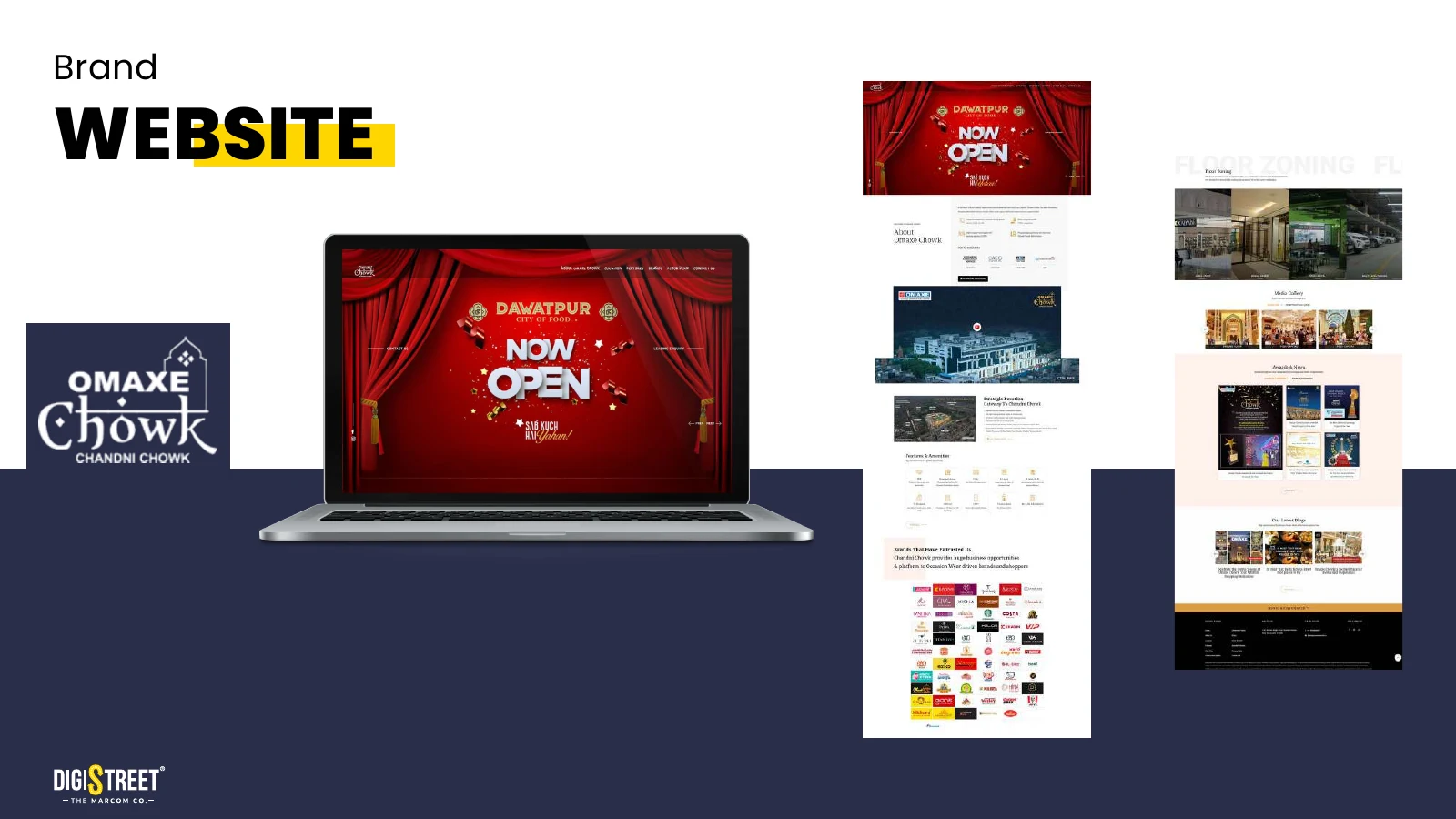
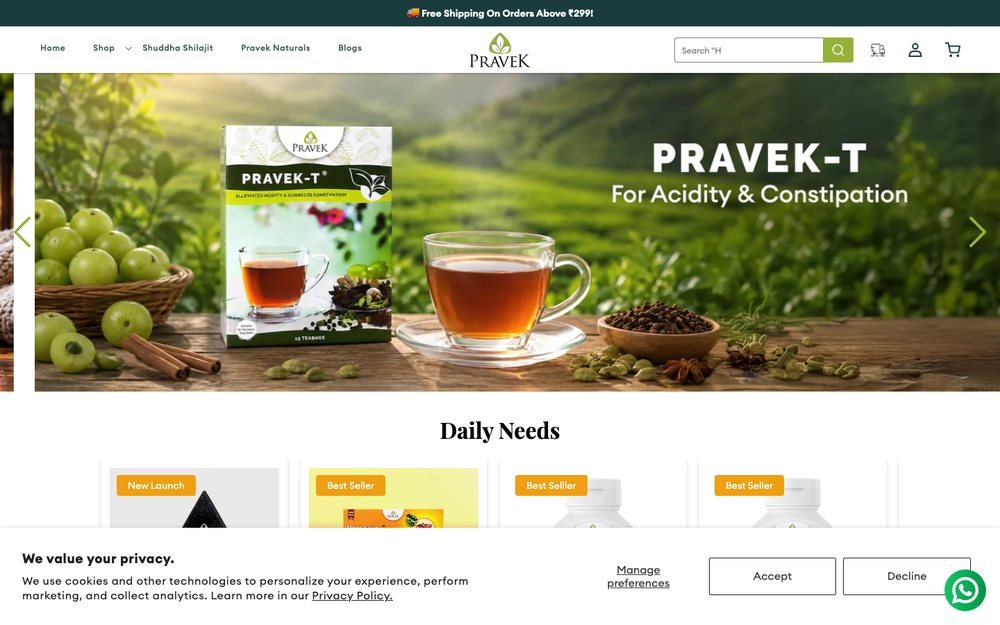
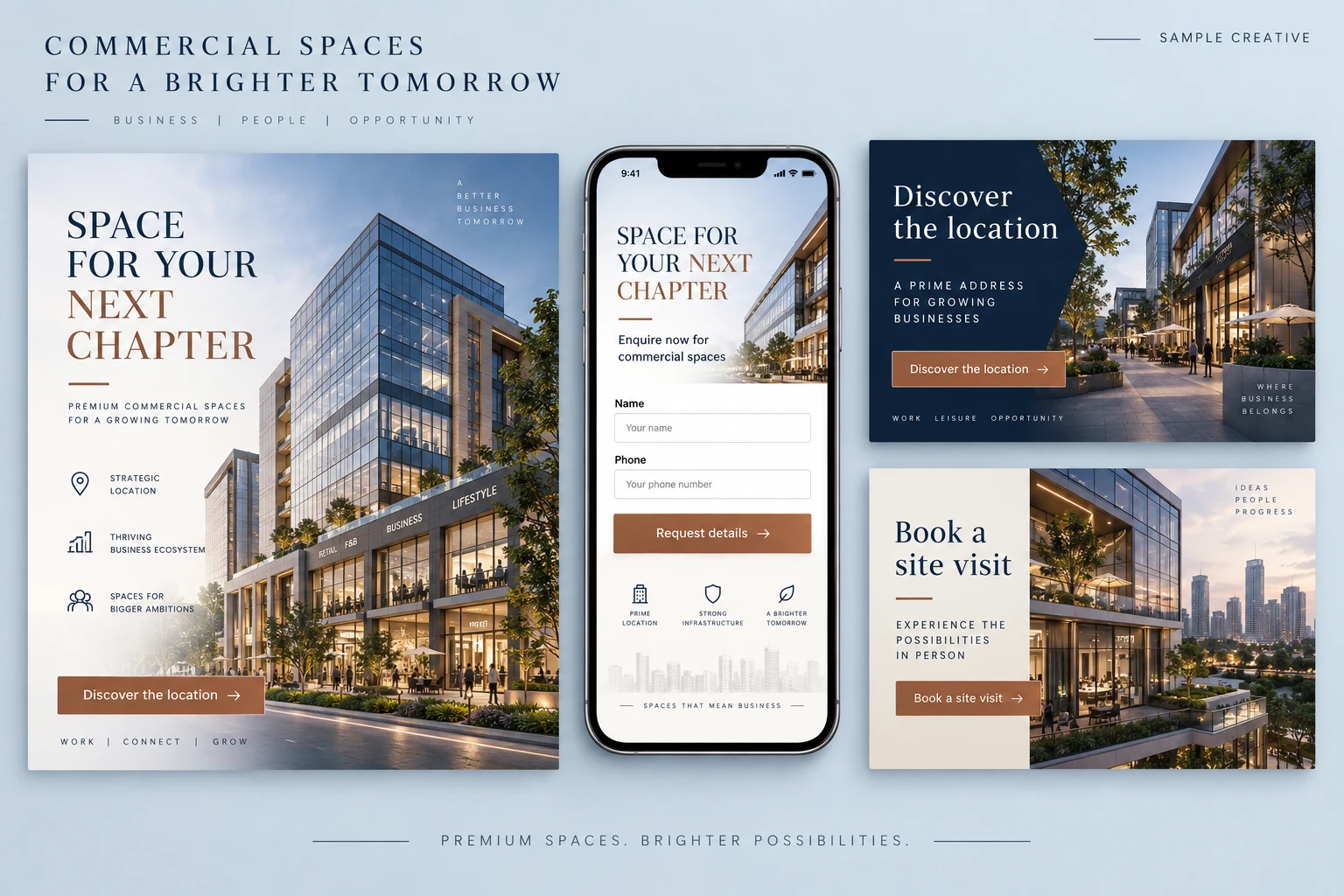
Nine real assets from the live performance-marketing page remain visible inside the rebuild. They give the fee, measurement and testing sections concrete campaign and destination context.
Platform delivery shows clicks, forms and attributed conversions. The commercial review adds qualification, response time, sales stage and revenue feedback available from the client. Keeping those evidence lines separate helps the team decide whether the next change belongs in targeting, creative, the landing page or the follow-up route.
A weekly review records the test, budget, audience, message, destination and result source. The next action is attached to that record. This gives media, creative and sales teams a common view of the campaign without treating every platform conversion as the same business outcome.
A new creative set begins with a question from the current campaign. The team may test a different opening, proof point, audience context, product view or action. Static, motion and person-led formats can share the same offer while answering different concerns.
The creative log preserves what changed between versions. Media results then guide the next brief, while brand and product reviewers keep claims accurate. Landing pages receive the same treatment: each change links to a stated friction point or campaign message.






4.9 / 5
“With our growing presence across diverse domains, an effective digital presence and communication strategy is imperative. We are sure that DigiStreet Media, with its creative skillset and proven digital expertise, will play a pivotal role in elevating JBM Group’s online brand experience, thereby, expanding global brand reach.”
Mr. Dushyant Sharma
Group Head, Marketing Communications & Branding, JBM Group
4.8 / 5
“In an era where digital presence is crucial, we are thrilled to entrust DigiStreet Media with our digital and creative mandate. Their proven track record and innovative approach align with our objectives, and we believe this partnership will elevate our brand in the digital realm.”
Ms. Charu Goswami
Head of Corporate Communications, SLCM
5.0 / 5
“We had this idea in our minds to associate Sirca with homes. This brand communication DigiStreet came up with has really stood strong from that point of view. I also think that this communication has enough scalability to play many stories and has the ability to connect it to both our consumers and key stakeholders.”
Mr. Apoorv Agarwal
Joint Managing Director, Sirca Paints
4.9 / 5
“An ever-energetic team with the true essence of timelines & technology as well as in-depth knowledge – this is what I can say for team DigiStreet. The swiftness and efficiency with which DigiStreet has completed the project well on time is truly commendable. Omaxe’s relation with DigiStreet has further strengthened with this project!”
Mr. Deepak Rawat
Product Head – Marketing, Omaxe Group
4.9 / 5
“We are happy that we are on the cutting edge with our new website and have synergised our entire web experience – social media handles, Amazon store etc. with the website.”
Mr. Amar Wadhwa
Marketing Consultant, Halonix
5.0 / 5
“What intrigued and excited me about DigiStreet is the amount of research and perspective the agency team provided us with. Along with brand communication and marketing outlook, the team has also stepped up with setting up online marketplaces, redesigning product packaging, web development, and social media.”
Mr. Samarth Gupta
Director, Farmer Fresh
5.0 / 5
“Over the last five years, Kavish Arora and the team at DigiStreet Media have become an extended part of our marketing team at Voting Portals. From a simple email design to SEO, website design, digital campaigns and video production, they have consistently stepped in and delivered.”
Don Gonzales
Marketing Head, Voting Portals, USA
4.9 / 5
“We met Kavish during the lockdown, when Cyboard School was still an idea: to build India's first online school. His team helped turn that idea into a market-ready brand through website design, SEO, social media, UGC content and the many day-to-day requirements of launching something new.”
Rajat
Founder & Managing Director, Cyboard School
4.9 / 5
“Kavish and his team worked with us for more than four years across social media, SEO and performance marketing. Their strategic and consistent support strengthened our brand presence and helped us reach international patients from Africa and the Middle East.”
Anupam Pandey
Owner & Marketing Director, Asian Hospital, Faridabad
Awarded Digital Marketing Agency
Over 100
 reviews


