UGC Video Agency for Content People Will Actually Watch
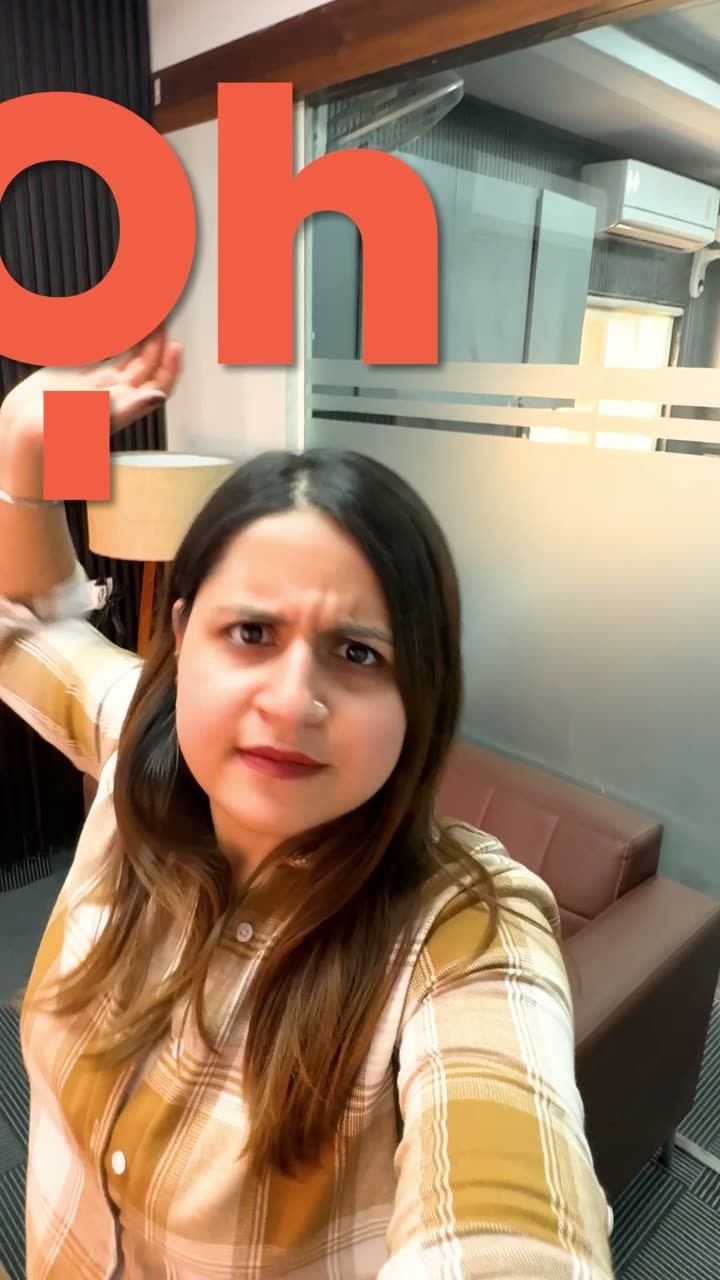
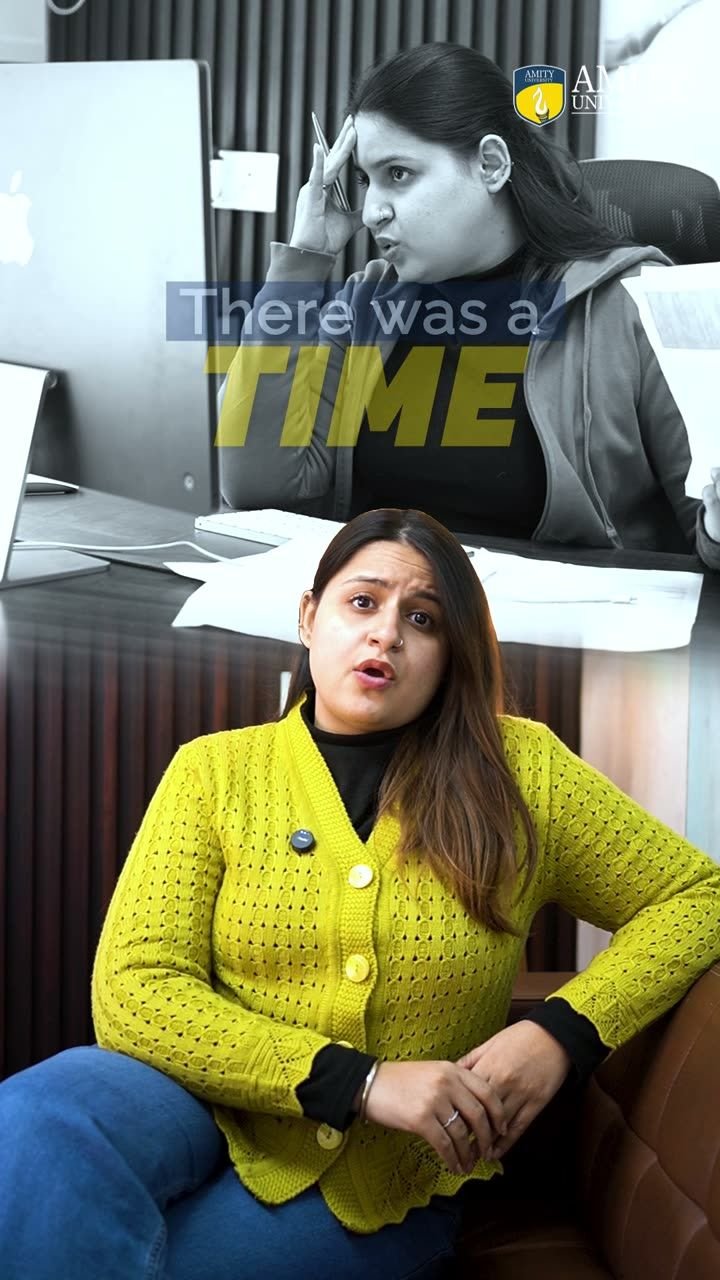
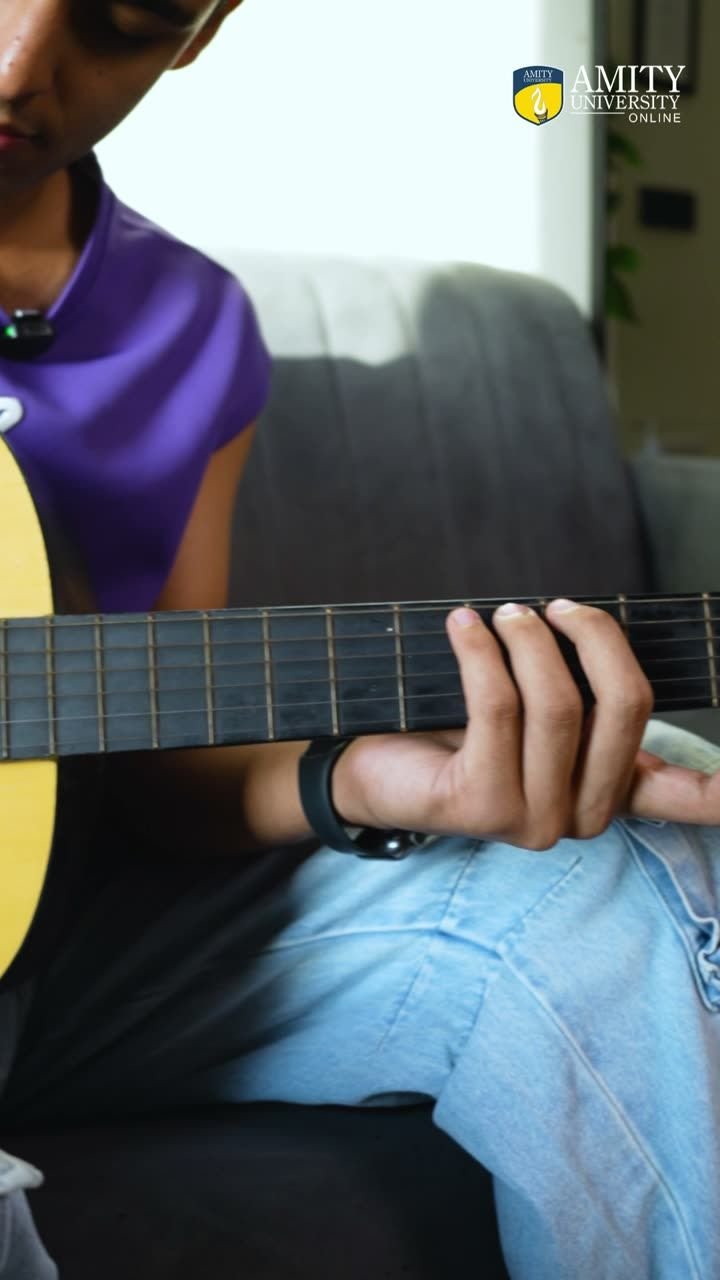
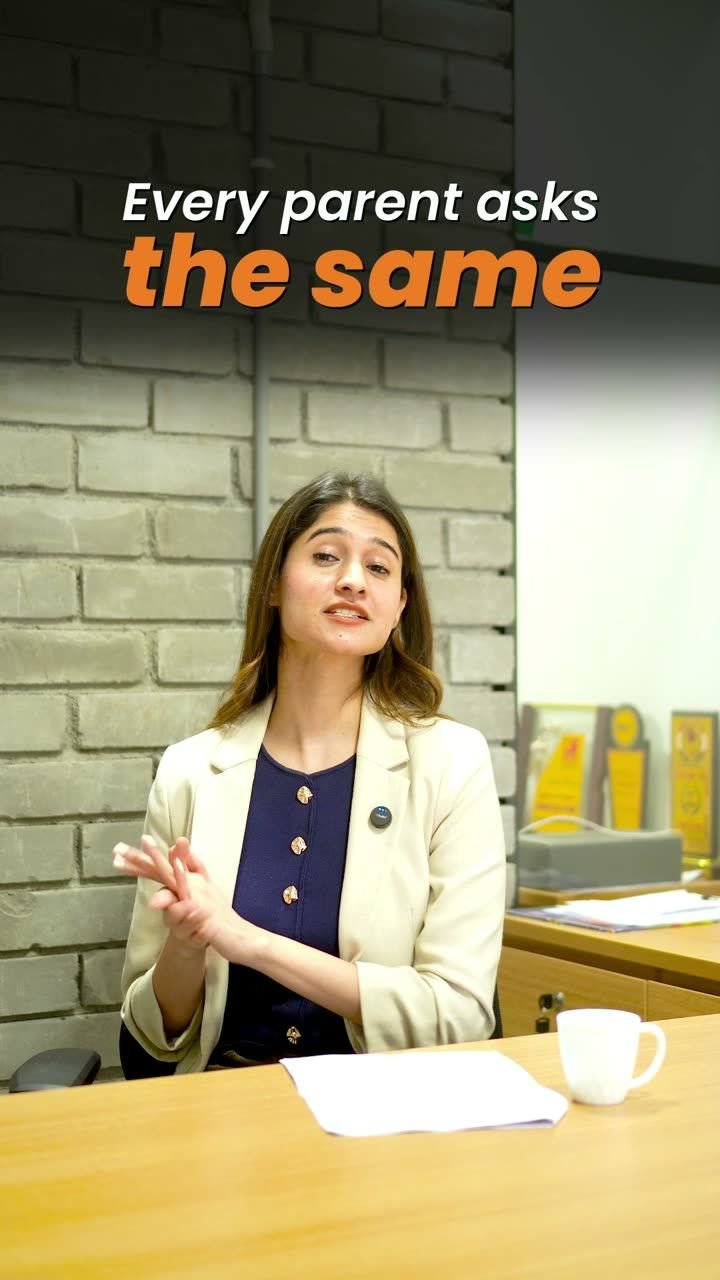
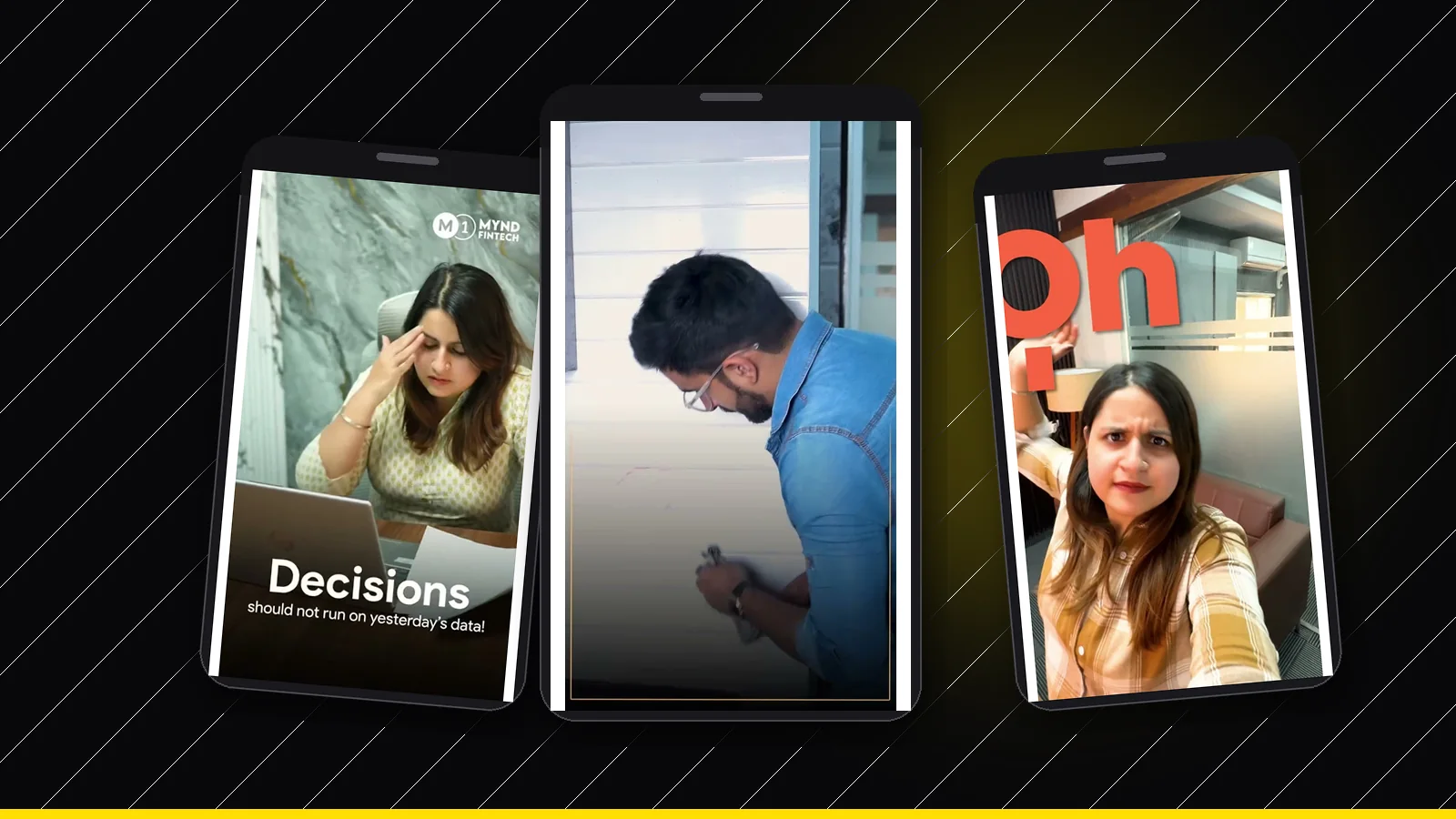
DigiStreet produces UGC content for brands that need a believable person, a clear product moment and enough edited variations to keep social feeds and ad accounts supplied. We plan the angle, write the script, cast or assign the presenter, manage the shoot and deliver platform-ready files. The page below shows finished work for Karara Ceramics, Mynd Fintech, Jagat Pharma, Amity, Action Aire and Ducat, followed by the exact pack prices.
What does a UGC video agency do?
A UGC video agency turns a product truth or customer question into short, person-led content. The agency handles the brief, hooks, script, creator or presenter, shoot coordination, product logistics, edit, captions and delivery. The finished video can support organic social, product pages or paid campaigns when the usage is agreed in advance.
DigiStreet offers three production packs. Five videos cost ₹75,000 plus GST, ten cost ₹90,000 plus GST, and twenty cost ₹1,60,000 plus GST. That works out to ₹15,000, ₹9,000 and ₹8,000 per video respectively. Each pack should begin with a content map so the videos answer different buyer questions instead of repeating one testimonial script.
Choose the format by the question, not by a trend
UGC describes a way of presenting content, not one fixed film. A useful production list mixes formats because a viewer who has never heard of the product needs a different opening from someone checking a feature before purchase.
Problem and response
Open with a recognisable frustration, show the product in context and explain the change in plain language. This suits early discovery when the problem is easier to recognise than the brand.
Product demonstration
Show the hands, screen, room or routine needed to understand the offer. Details such as texture, size, interface steps and setup are more persuasive when they are visible.
Founder or expert explanation
Use a knowledgeable face when the category needs precision. The script should retain natural speech while keeping claims inside the client-approved source material.
Customer-style review
A presenter describes why they chose the product and which part mattered. It needs a specific use case; generic praise gives the viewer little reason to continue.
Unboxing and first use
Record packaging, included items, first setup and the earliest product interaction. This can answer practical questions that polished brand photography leaves out.
Reply or objection video
Begin with a real question from comments, sales calls or support logs, then answer it on screen. The source question gives the video a clear purpose and helps future briefs.
UGC content starts with evidence the brand already owns
The briefing call gathers product pages, approved claims, customer questions, sales objections, comment themes and the action that follows the video. A fintech explanation may need a calm face and a screen sequence. A ceramics film may need a showroom walk-through that shows finish and scale. A healthcare script needs tighter claim review. The visual grammar changes because the decision changes.
We convert that source material into a matrix of audiences, questions, settings and hooks. Every proposed film has one job and one next action. This prevents the familiar problem of ordering twenty videos that all introduce the company in slightly different words. Variety should come from distinct buyer needs, not random costume or location changes.
A hook earns the next second
The first line must make sense without a long setup. It can name the problem, show the outcome, ask a precise question or begin in the middle of a demonstration. We write several hook options before the shoot because the opening is the least expensive part to vary and the hardest part to repair after every line has been filmed.
Scripts are written for speech rather than a brochure. Short sentences, natural pauses and visible actions help a presenter sound like a person. Product names and mandated statements remain exact, while supporting lines can be adjusted to fit the speaker. The approved script becomes the production record for client, creator and editor.
Creator-led and in-house films solve different briefs
Creator casting is useful when the audience needs a recognisable life stage, category voice or on-camera style. In-house presenters are useful when a brand needs steady output, faster reshoots or a controlled setting. A subject expert may be the right face when authority matters more than creator reach. We recommend the route after reading the topic and distribution plan.
Creator production is separate from influencer distribution. A creator may make a video for the brand to publish without posting it on a personal channel. An influencer campaign buys access to an audience and carries separate creator, usage and agency costs. Writing that distinction into the scope avoids a late argument about where the film can appear.
The shoot plan protects small details
Before filming, the checklist covers product availability, location, wardrobe, pronunciation, screen states, props, natural sound, framing and the safe area for captions. Vertical footage needs enough clean space for interface controls. Demonstrations need continuity so an edit does not jump between different product states.
A compact shot list also asks for inserts: hands using the product, close details, packaging, the surrounding room and a clean ending frame. Those shots help the editor cover pauses and build shorter cuts. They give the brand a small library for future posts without pretending that one shoot can supply unlimited new concepts.
Editing is planned for where the video will run
The master edit keeps the story understandable with sound on, while captions carry the core message for muted viewing. Type size, line length, contrast and brand placement are checked on a phone-sized preview. Music, sound effects and transitions support the pace without hiding speech or making a regulated category feel careless.
Paid placements may need alternate hooks, shorter openings and clean end cards. Organic posts may keep a conversational beat or a longer answer. Product pages may need a demonstration with less platform language. These are separate exports from one approved source shoot, and the delivery sheet records ratio, duration, caption state and intended placement.
Approval needs named owners and short rounds
The brand names one person who can consolidate legal, product and marketing feedback. DigiStreet shares scripts before the shoot and edits after filming, so comments arrive at the stage where they can be acted on. A new claim after filming can require a reshoot; a wording change before filming usually does not.
Feedback works best when it identifies the exact timestamp, issue and preferred correction. Comments such as “make it stronger” create guesswork. A clean review path preserves the natural performance while giving the brand control over facts, packaging and mandatory language.
A useful UGC library is tagged, not buried
Delivered files can be grouped by audience, product, question, hook, presenter, duration and usage. That makes it possible for social and paid teams to find an answer without opening every export. Original source files and final masters should have clear ownership and retention terms in the production scope.
A quarterly review can compare which questions have enough coverage and which are missing. Sales, support and community teams often supply the next set of briefs because they hear hesitation in the customer’s own words. The production calendar then grows from real demand rather than an empty request for more reels.
Measurement follows the placement
An organic film can be reviewed through retention, saves, replies, profile actions and the conversation it starts. A paid film can be compared by hook, audience, click or lead path inside the client’s ad account. A product-page film can be assessed beside page engagement and purchase steps. One metric cannot judge all three uses.
We label variants so the media team can tell which opening, presenter and argument ran. The review should state what changed between versions. When five variables change at once, a result cannot teach the next shoot much. Controlled creative notes turn campaign feedback into a sharper production brief.
Usage belongs in the brief before casting
The scope should say whether the brand may publish the film on owned social channels, websites, marketplaces and paid ads, and for how long. It should also cover territory, whitelisting, exclusivity, raw footage and any creator post. These terms affect casting and cost, so they cannot be treated as a delivery footnote.
Music and other third-party material also need placement-appropriate rights. The production team selects tracks and assets against the declared use. A social platform’s library does not automatically grant the same rights for every ad, website or marketplace placement.
The pack size should match the content map
Five videos suit a focused launch, one product or a first test with clearly different angles. Ten can cover more objections, audiences and stages. Twenty make sense when several products or a steady media programme can use the volume. The lowest unit price is only useful when there are twenty worthwhile briefs.
The proposal states the expected mix of scripts, shoot conditions, presenters and edits. Products that require travel, specialist locations, complex demonstrations or multiple creator contracts may need a separate production line. The pack price remains visible, while the scope explains what is being made.
What the engagement includes
Content map and brief
Audience, product truth, question, hook, proof, setting and next action recorded for each proposed film.
Scripts for natural delivery
Spoken-language drafts with on-screen actions, mandatory wording, caption notes and alternate openings.
Presenter or creator coordination
Casting route, availability, product dispatch, usage terms and shoot instructions managed against the brief.
Vertical production
Phone-first framing, demonstration coverage, supporting shots and a controlled record of approved claims.
Platform-ready edits
Captions, music, branded end frames and agreed ratios or durations delivered with clear file names.
Creative learning log
Variant labels and media or social feedback translated into questions for the next production cycle.

UGC video pack prices
The three live packs remain unchanged. Prices exclude GST. Creator posting, paid usage, travel, specialist locations, unusual props and complex product logistics are scoped where the brief requires them.
₹15,000 per video
Get a quote₹9,000 per video
Get a quote₹8,000 per video
Get a quoteFrom customer question to labelled final files
The production path fixes facts and usage first, then gives the presenter enough room to sound human.
Map questions and placements
We review the product, current content, audience, comments and intended channels, then assign one purpose to each film.
Approve scripts and faces
The brand approves the claims, spoken draft, on-screen action and creator or presenter route before products move.
Shoot for useful coverage
The team records the delivery, demonstration, inserts and alternate openings needed for the agreed edits.
Edit, review and catalogue
Captioned drafts receive consolidated feedback; final exports are named by concept, duration and placement.
Real work from the DigiStreet portfolio
Primary references used on this page
A connected next step
Bring the product, the audience questions and the channels that need footage
The first working session turns those inputs into a production matrix rather than a list of vague reel ideas. We will identify which videos need a creator, which can use an in-house presenter, which product actions must be filmed and which placements require paid usage. The quote will keep the chosen five-, ten- or twenty-video pack visible and identify any casting, travel, location or rights item that sits outside it. Once facts and approvals have owners, the team can schedule a shoot that creates distinct answers instead of twenty copies of one introduction.
Our UGC library
Twelve production samples and nine recent client posters stay available beside the newer planning, pack-pricing and proof sections.
Plan a library around buyer questions
A useful UGC library starts with the questions customers already ask. Product pages, support conversations, sales calls, comments and paid-search terms show where a demonstration or person-led answer can help. The brief records the audience, question, approved product truth, setting and next action for each film. That gives every shoot a clear purpose and gives reviewers a precise source to check.
The library then covers distinct moments. Discovery films name a familiar problem. Demonstrations make a feature visible. Customer-style reviews explain a choice in natural language. Reply films answer an objection directly. Longer explainers support viewers who already want detail. This mix supplies organic, product-page and paid teams without turning one script into several near-identical edits.
Make each shoot produce usable range
A shoot plan groups films that can share a location, presenter, product setup and approval owner. Within that shared setup, the hooks, actions and buyer questions remain different. Alternate openings are recorded while the set is ready, and supporting shots capture hands, packaging, screens, close details and clean ending frames. Those decisions give editors more room than an extra transition added after filming.
The nine recent posters on this page show work across ceramics, fintech, healthcare, education and industrial production. Each category changes the source material and review route. A product demonstration needs visible detail. A regulated statement needs approved language. A factory film needs safe access and a shot list built around the capability a buyer must inspect.
Treat product logistics as part of production
Products, samples and screen access arrive before the filming date. The production sheet records quantity, variants, packaging condition, assembly, power, login states, props and return instructions. For a demonstration, the team rehearses the action and confirms every visible claim. For a service, the team prepares the screen, room or conversation that makes the explanation concrete.
This preparation protects the presenter’s delivery. The person on camera can focus on a natural explanation because pronunciation, mandatory wording and physical actions are settled. It also protects the edit: consistent product states and enough supporting coverage help cuts feel deliberate across several versions.
Write spoken scripts with review points
A spoken script uses short lines, visible actions and clear pauses. Product names and approved statements remain exact. Supporting language follows the presenter’s voice, while captions preserve the key point for muted viewing. The script marks the opening, proof moment, demonstration and action so brand, presenter and editor review the same structure.
Comments work best when they name the line, timestamp or visual that needs a change. One brand owner consolidates product, marketing and legal input. Script approval happens before filming; edit approval covers pacing, captions, music, product visibility and the closing frame. This sequence keeps factual review close to the stage where it can be acted on.
Set usage before the creator is booked
The brief records owned social, websites, marketplaces, paid media, territory, duration, raw footage, whitelisting and any creator post. These choices shape casting and the agreement, so they sit beside the creative brief from the start. Music and third-party material are chosen against the same placement list.
A creator can produce a film for the brand’s channels without publishing it to a personal audience. Influencer distribution is a separate media decision with its own creator fee, audience assessment and usage terms. Keeping production and distribution clear makes budgets easier to compare and gives the brand an accurate record of where each file can run.
Prepare distinct exports for each placement
The master edit keeps the idea understandable with sound on and with captions visible. Paid placements may use shorter openings, alternate hooks and clean end cards. Organic posts can retain a conversational beat. Product pages can carry a quieter demonstration with less platform language. Each export is labelled by concept, presenter, duration, ratio and intended placement.
The handover groups files so social and media teams can find them quickly. A catalogue can use product, audience, question, hook, presenter and usage fields. That structure also reveals missing coverage. The next production list can respond to a real gap instead of asking for another undirected batch of reels.
Turn distribution feedback into the next brief
Organic viewing, saves, replies and profile actions describe one use. Paid creative adds hook, audience, click and lead-path evidence. A product-page film sits beside page engagement and purchase steps. Each placement keeps its own review line, and the learning log records the creative difference between versions.
When the team can name the opening, presenter, proof and action that changed, campaign feedback becomes useful production input. Sales, support and community teams add questions they continue to hear. The next batch then covers fresh buyer needs while the strongest existing films keep working in their approved placements.
Real client work and service visuals