

Updated 4 October 2026.
Practical buying guide
Choose on creative testing discipline, creator casting, production control, usage rights and the number of usable variations delivered. Use this guide when briefing an UGC video agency.
UGC is a production format, not proof that an ad will work. The buying decision should focus on how the agency finds useful angles, turns them into scripts and produces enough variation to learn.
A portfolio can look natural while hiding weak operations. Ask how creators are cast, how product facts are checked, how raw footage is stored and how a first edit becomes several testable versions.
The right proposal makes the unit of delivery clear. One video file, one concept with three hooks and a batch of distinct concepts are very different purchases.
The aim is a repeatable stream of credible videos that can be tested as ads. That outcome gives the buying team a firmer basis than presentation style or an isolated headline metric.
Six checks for a usable UGC system
For a UGC production partner decision, ask every supplier for the same evidence and record the answer beside the scope.
The angle comes before the script
The agency should explain the customer tension, proof point and viewing context before writing dialogue. Request an angle bank linked to objections, desired outcomes, product demonstrations and real use situations.
Ask, “What customer belief is each concept trying to change?” The answer should be specific enough to enter the scope, not left as a promise for later.
This keeps the work connected to a buying barrier. Give full credit only when the proposal identifies the owner, deliverable and review point.
Casting follows the product job
The creator should feel credible for the audience, category and delivery style rather than simply matching a demographic label. Request recent on-camera samples, voice tests and a reason for the casting choice.
Ask, “Why will this person be believable while demonstrating this product?” The answer should be specific enough to enter the scope, not left as a promise for later.
This prevents casting from becoming a profile-photo exercise.
Hooks are planned as test variables
A batch should contain meaningful opening variations, not the same sentence trimmed three ways. Request written hook families, on-screen first frames and the exact edit changes between variants.
Ask, “Which element changes in each test, and what can the result teach us?” The answer should be specific enough to enter the scope, not left as a promise for later.
This turns volume into learning.
Product truth survives the natural style
Conversational delivery still needs accurate claims, safe demonstrations and clear approval ownership. Request a product fact sheet, claim sources, pronunciation notes and signed approval stages.
Ask, “Who confirms product accuracy before filming and before export?” The answer should be specific enough to enter the scope, not left as a promise for later.
This protects both credibility and production time.
Rights cover the intended media plan
UGC made for paid use needs a written term for channels, duration, territory, edits, creator likeness and raw footage. Request a rights schedule attached to each creator and asset.
Ask, “Can this video be cut, subtitled and run as an ad in every intended market?” The answer should be specific enough to enter the scope, not left as a promise for later.
This makes the delivered file commercially usable.
Delivery is organised for iteration
File names, aspect ratios, captions, source footage and performance notes should support the next batch. Request a delivery map, version log, raw-footage policy and learning record.
Ask, “How does the result of batch one change batch two?” The answer should be specific enough to enter the scope, not left as a promise for later.
This shows that the supplier can sustain production after launch.
Compare the deliverable behind the headline count
A price per video means little until the production and variation rules are aligned.
| Area | Evidence to request | What it tells you |
|---|---|---|
| Concepts | Distinct customer angles | Shows real testing breadth |
| Hooks | Named opening variants per concept | Creates measurable differences |
| Edits | Ratios, captions, cutdowns and revision count | Defines usable output |
| Rights | Paid channels, duration, territory and edits | Confirms media use |
| Source files | Raw-footage access and storage term | Supports later iteration |
Score the evidence on a simple zero-to-two scale: absent, partly defined or ready to place in the agreement. Discuss the lowest-scoring operating areas before reopening the price conversation.
Test the agency with one product brief
Ask for an angle map
Share one product, audience and offer, then ask for six possible creative angles without requesting finished scripts.
Review whether the angles are genuinely different and whether each is tied to a customer question or objection.
Request a casting rationale
Ask the team to present two creator options and explain the credibility case for each in the intended format.
Check delivery samples, product handling and voice. A short live read can reveal more than a follower screenshot.
Review the variation plan
Choose one concept and ask how it becomes several openings, lengths and calls to action without losing the test logic.
The response should identify one variable at a time and preserve clear file naming for media teams.
Audit the handoff
Inspect the folder structure, rights sheet, approval record, captions and raw-footage policy that arrive with a batch.
A clean handoff reduces rework when the asset moves from organic review into paid distribution.
What the written recommendation should contain
A recommendation for a UGC production partner decision should begin with the business problem, the evidence reviewed and the constraint selected for action. It should explain how The angle comes before the script and Casting follows the product job affect the proposed scope, with a named owner for every material handoff.
The document should repeat the central direction in plain language: Choose on creative testing discipline, creator casting, production control, usage rights and the number of usable variations delivered. It should then state the deliverables, review dates, approval route and commercial assumptions that make the direction workable. This is also the place to define what counts as completed work and which record will be used at the review meeting.
Evidence should sit beside each recommendation rather than in an appendix that nobody can trace. Connect Rights cover the intended media plan with the agreed measurement view, and connect Delivery is organised for iteration with the person who will use the finding. The final document should create a repeatable stream of credible videos that can be tested as ads, while leaving the team with a clear reason for the next allocation of time and money.
Price the batch, not an undefined video
DigiStreet UGC packs are ₹75,000 for 5 videos, ₹90,000 for 10 videos and ₹1,60,000 for 20 videos, excluding GST. That works out to ₹15,000, ₹9,000 and ₹8,000 per video at the three pack sizes.
Compare those figures only after the brief, casting, production, edit, revision, format and rights scope is written. A lower file count can carry more useful variation than a larger set of near-identical exports.
Ask how a reshoot, a product delay, a creator replacement and an extended rights term are handled. Those events change the working cost even when the pack headline stays the same.
Put the selected commercial model beside the deliverables, approval responsibilities and reporting period. A price is ready for approval when the team can explain exactly what changes if volume, rights, markets or channel responsibility changes.
Judge the full video, not the thumbnail
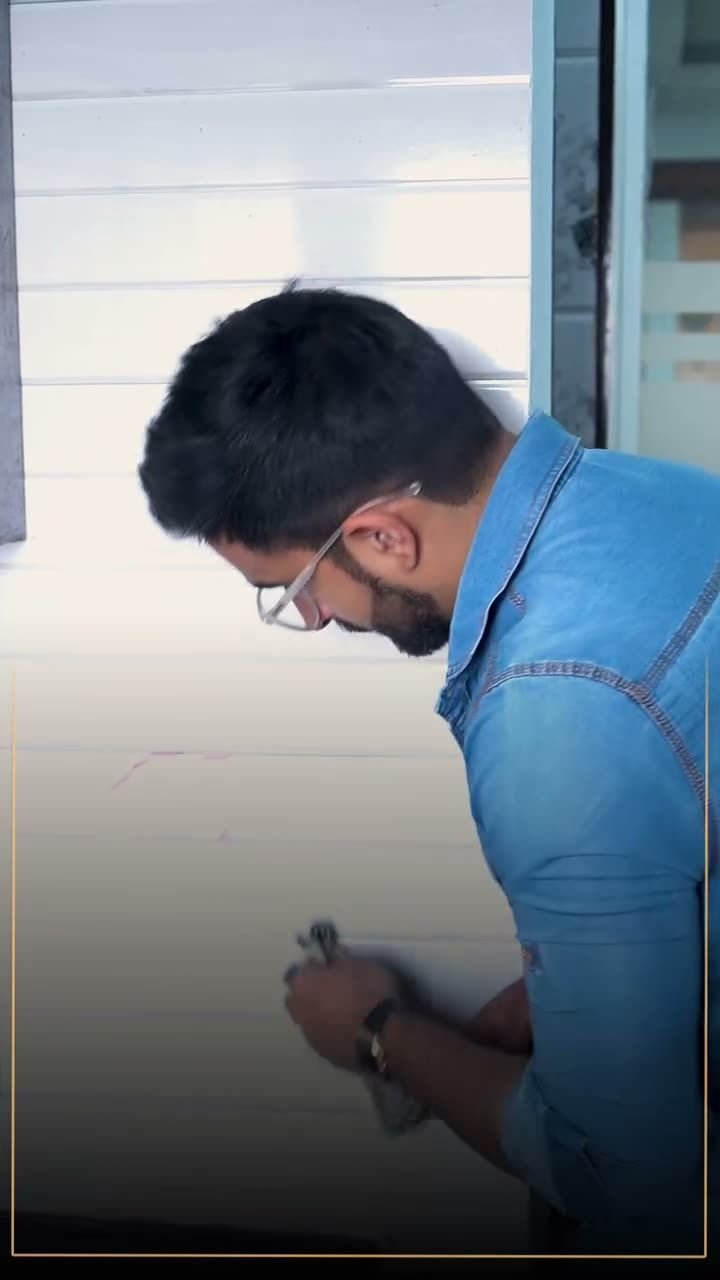
The Karara Ceramics poster above comes from a real UGC production. Use work like this as the entry point for a detailed review of the hook, demonstration, spoken proof, cut rhythm, captions and product visibility.
Ask to see adjacent versions from the same batch. The difference between those versions reveals whether the agency planned a testing system or exported one master in several sizes.
Continue with the source material
Use the linked service, cost and case pages to verify scope details and inspect the work behind the examples.
References
- Advertising Standards Council of India, Guidelines for Influencer Advertising in Digital Media, 27 May 2021
- Department of Consumer Affairs, Guidelines for Prevention of Misleading Advertisements and Endorsements, 9 June 2022
- DigiStreet Media, UGC Video Agency service and portfolio, accessed 4 October 2026
Frequently Asked Questions
What should a UGC video agency include in a proposal?
It should include angles, creator criteria, scripts, formats, revision rules, rights, delivery dates and the exact number of distinct versions.
How many UGC videos should a brand buy first?
Choose a batch large enough to test distinct ideas within the available media plan. DigiStreet offers packs of 5, 10 and 20 videos.
Are raw UGC files part of delivery?
They are part of delivery only when the scope says so. Put raw footage, storage time and future edit rights in writing.
How do I check UGC creator fit?
Watch recent delivery samples and assess credibility, speech, product handling and audience relevance for the intended use.
What usage rights are needed for UGC ads?
The rights should cover paid channels, duration, territory, editing, captions, cutdowns and creator likeness for the planned campaign.
What makes UGC variants useful?
Useful variants change a defined element such as the hook, proof, demonstration or action while keeping the test easy to read.
Put the decision into a clear brief
Share the objective, market, current evidence and the decision date. We will answer with a defined scope and the published commercial model.