




Updated 3 October 2026.
Sirca Paints, a premium wood coatings brand whose search we have handled, grew organic traffic by 285% over five years, and it did not happen in one spike. It happened because the same pages kept getting better, month after month. That is the pattern we expect in home decor too, where people look for a long time before they buy.
This guide is for home decor and furnishing brands deciding where marketing money should go. It covers how shoppers actually start, which channel does which job, why pictures matter to search as much as to social, what an online store has to get right, and how to measure it without fooling yourself. We are an agency, so take our opinions with that in mind.
How home decor shoppers start
They start with a mood, not a product. Someone types “living room decor ideas” or “modern wall art for home”, looks at a lot of pictures, and narrows down later to a cushion cover, a lamp or a rug. A brand that only bids on its own product names misses the stage where the shortlist is formed.
The purchase is also visual and often delayed. People save, share with a partner and come back. So the plan has to reach them in several places, with the same look every time, and it has to be built for a buyer who may take weeks.
What each channel is for
The three channels people usually bundle, SEO, ads and social, do different jobs, and so do the two or three that sit beside them. The table shows the job, when you can fairly judge it and where it usually goes wrong.
| Channel | Its job | When you can judge it | Where it goes wrong |
|---|---|---|---|
| SEO | Catches buyers who are searching for inspiration or for a specific product, at no cost per click | Three to six months, then it compounds | Inspiration articles that never link to a product, or product pages with a supplier’s description |
| Google Search and Shopping ads | Catches people who already know what they want | Usable data in two to four weeks | Broad terms with a thin product feed and poor photos |
| Meta and Instagram ads | Introduces the range to people who were not looking, and brings back cart abandoners | Two to four weeks for data, then creative testing | One image run for months, or a catalogue ad with a cropped photo |
| Instagram, Pinterest and short video | Shows products in real rooms and builds recognition | Over several posts, not one | Posts that look pretty but give no price, size or way to buy |
| Creators and customer content | Gives a sceptical first-time buyer proof that the item looks like the picture | Varies by creator, so track each one | Paying for reach and not counting orders |
| Email and WhatsApp | Brings back people who have already bought or abandoned a cart | After the first campaigns have gone out | The same offer sent to everyone |
The timings are our usual ranges, not guarantees. A crowded search category takes longer.
Why pictures matter to search as well as social
For a home decor brand, images are search content. Google says alt text is the most important image attribute to get right, that file names should say what the picture shows, and that images should sit near relevant text on a topically matching page[1]. It also asks for standard image elements in the HTML, not pictures set as CSS backgrounds, because crawlers find the standard ones more easily[1].
In practice, that means a product photo called handwoven-jute-rug-living-room.jpg with alt text describing the rug and the room, on a page that also says the size, material and colour. It is dull work and most brands skip it. It costs nothing but the hours.
On social, show the product in a room, then close up for the material, then with something to give it scale. A rug is hard to judge from a flat shot. Short video of the item in use also gives you ad creative, and a steady supply of that is what keeps paid social from tiring out. Our social media marketing plans start at ₹1,00,000 plus GST a month, and our UGC video work starts at ₹8,000 a video on the 20-video package.
What Sirca Paints shows about search for decor products
Sirca is closer to materials than to furniture, so this is an adjacent example and not a home decor retailer. What we did is still instructive. The programme built content around product families and applications, so related pages reinforce one another, with interlinking added as the content grew and technical SEO maintained on an ongoing basis.
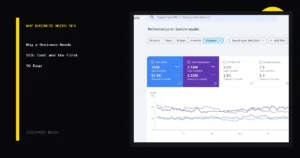
The 2026 case study compares 1 January to 21 September 2026 with the same number of days before it. Organic clicks went from 26,710 to 50,051, up 87.39%. Average position improved from 16.61 to 9.46. Click-through rate roughly doubled, from 2.7% to 5.45%. Impressions fell 6.99%, and the case study says so plainly. The site is shown in slightly fewer searches, but higher up, and the extra clicks came from ranking better. Read the full table in our Sirca Paints SEO case study.
The 285% figure is the five-year view, taken from client analytics, and it is a different window from the 87.39% above. Do not add them together.
Product pages are where the sale is made
The product page is where the sale is made or lost. The buyer wants to know the real size, the material, whether the colour matches the photo, when it arrives, what happens if it breaks and how to return it. If the page makes them hunt, they leave and buy elsewhere.
Mark the page up so search engines can read it. Google separates product snippets, for pages where a customer cannot buy directly, from merchant listings, for pages where they can[2]. A store page with a price and a cart button should be marked up as the second kind, with price, availability, shipping and returns.
A few other basics decide how well the ads and search traffic you pay for convert:
- A mobile page that loads fast on a mid-range phone, since many visitors browse decor on one.
- Photos from several angles, plus one in a room.
- Shipping and returns policy visible before checkout, and payment options your buyers use, including cash on delivery if your category relies on it.
- A working abandoned-cart message.
If you are building the store, our website development page lists ecommerce sites from ₹2,50,000 plus GST. Our ecommerce marketing page covers the channel mix for a store, and our ecommerce SEO and conversion rate optimisation for ecommerce pages cover the catalogue and the page tests.
Paid media without losing money on the first order
Work out break-even ROAS before you spend. It is 1 divided by your contribution margin, which is what is left of an order after product cost, shipping, payment fees and returns. At a 40% margin you break even at 2.5x. At 25% you need 4x.
Here is an illustration from our performance marketing page, not a client report. ₹3,00,000 of media produces 500 attributed orders at ₹600 an order, ₹9,00,000 of attributed revenue and a platform ROAS of 3.0x. That is profitable at a 40% margin and a loss at 25%. Breakages, returns and free delivery all cut into margin, so net them out first.
Management with us is 15% of media spend, with a minimum of ₹50,000 plus GST a month, falling to 10% from ₹20,00,000, 8% from ₹50,00,000 and 4% from ₹1,00,00,000. Media is separate and runs through your own ad accounts, and we suggest ₹50,000 to ₹1,00,000 a month as a floor. If your media would be below that, a retainer costs more than the ads. Run it in-house or with a freelancer first. See performance marketing for what the fee includes.
How to measure it
Count orders by source, not clicks. Track blended acquisition cost across all channels, contribution-margin ROAS, return rate and repeat purchases. Platform reports flatter themselves, so check them against your store’s own orders.
For search, use Search Console and look at clicks, impressions and average position together, as the Sirca table does. Clicks alone can hide a fall in impressions, and impressions alone can hide a rise in clicks. Compare equal windows, and say which windows you used.
For social, judge on saves, shares and visits to product pages, and tag creator links so each one is counted. Follower numbers are the easiest thing to buy and the least useful to report.
What an SEO engagement costs
Our SEO, AEO and GEO plans start at ₹50,000 plus GST a month. The plan is set by keyword volume, competition and the number of markets, and we say if a smaller one would serve you better. A single-category decor brand will often fit the entry plan. A catalogue spread across several categories and cities needs more.
What we have not done is publish a paid-media case study for a home decor store. The decor evidence on our home decor digital marketing page is search and creative work. We would run the paid side from the method above and tell you in the first month if your numbers say it will not pay back.
Where to start
If the store itself is slow or its product pages are thin, fix that first. Money spent on ads or search drives people to a page that loses them. Then start with the channel where your buyers already show intent, and add the next one when the first is measured.
Frequently Asked Questions
Which advertising platform works best for home decor brands?
Google Search and Shopping for people who already know what they want, and Instagram and Meta for people browsing for ideas. Use both, in that order of spend if buyers search for your product types, and the reverse if your range is new and nobody searches for it yet. Test two or three creatives on each before moving budget.
How long does SEO take for a home decor website?
Usually three to six months before it compounds, and longer in crowded categories. Sirca Paints shows the pattern: 285% growth in organic traffic over five years, not in a single spike. We do not promise rankings or traffic.
Is Instagram or Pinterest better for home decor?
We would start with Instagram, where we can build recognition and run paid ads from the same content, and add Pinterest if your audience already uses it. Whichever you use, show products in rooms and give a size and a way to buy.
How much does it cost to market a home decor brand online?
SEO plans start at ₹50,000 plus GST a month and performance marketing management at 15% of media spend, with a minimum of ₹50,000 plus GST a month, with media separate. We suggest ₹50,000 to ₹1,00,000 a month of media as a floor. Social plans start at ₹1,00,000 plus GST a month. Start with one or two channels and add as the numbers support them.
Do I need an ecommerce website to market home decor online?
Not at the start. You can sell through marketplaces and Instagram while you learn which products move. An own store gives you margin and customer data, and it pays for itself when repeat buyers and search traffic arrive. Our ecommerce website builds start at ₹2,50,000 plus GST.
How do I know if my decor marketing is working?
Orders by source, contribution-margin ROAS, return rate and repeat purchases tell you. Clicks, likes and followers do not. For search, compare equal date ranges in Search Console and look at clicks, impressions and position together.
References
- Google Search Central, Google Image SEO best practices.
- Google Search Central, Product structured data.
- DigiStreet Media case study: Sirca Paints SEO, 2026, from Google Search Console.