



A brand sends fifty creators the same long document on day one. Half never reply, and the rest ask the same five questions. The fix is not a bigger document. A good influencer campaign brief works in two stages: a short outreach note that earns a reply, and a fuller brief that follows once the creator is interested. This template shows both, so you know what to prepare before you contact anyone.
Why Creators Skip Long First Messages
Creators receive many brand requests. A message that opens with three pages of rules feels like work before any agreement. A short, clear note respects their time and filters for real interest.
Save the detailed brief for creators who respond. At that point they can decide with full information, and you can discuss rates and rights openly.
Stage 1: The Outreach Brief
Keep it under 150 words. Include the brand and product, the campaign idea in one sentence, the type of content you have in mind, the timeline, how you plan to work together and how to reply. Add a link to the product or brand page.
Here is a sample outreach note: “Hi [Name], I am [your name] from [brand]. We make [product] for [audience]. We are planning a short video series in [month] and your recent post on [topic] caught our attention. We would like to send you the product and discuss a paid collaboration. Could we share a full brief and a rate card request? Thank you.”
Always personalise the first line. A generic message tells creators you have not watched their work.
Stage 2: The Full Influencer Campaign Brief
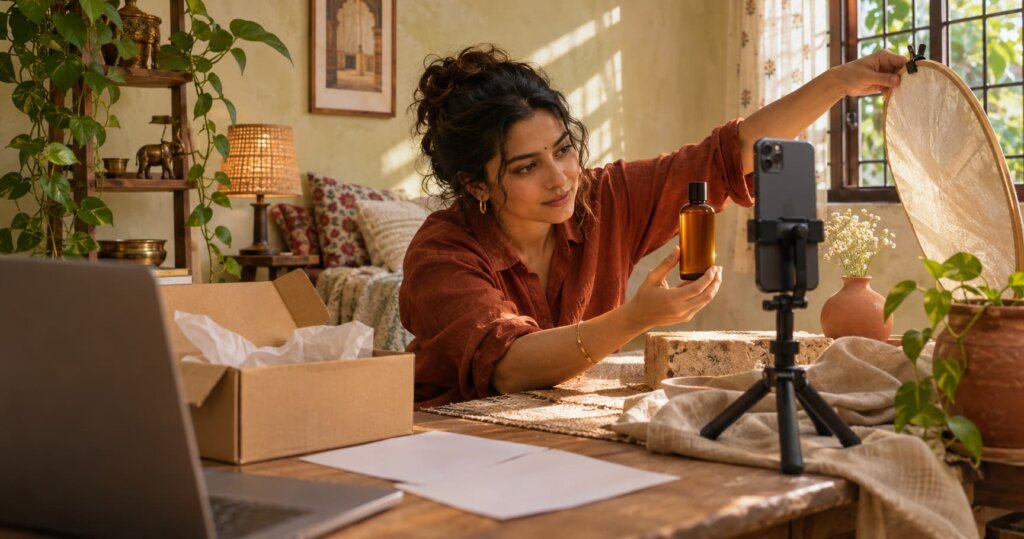
Once a creator shows interest, send a full brief. Aim for two pages at most. Use these sections:
- Brand and product: Two lines on who you are and what the product does.
- Campaign goal: Awareness, trials, sales or content for ads.
- Audience: Who you want to reach, including language and location.
- Key message: One main idea and two or three supporting points.
- Must include: Required claims, hashtags, links or tags.
- Must avoid: Prohibited claims, comparisons and sensitive topics.
- Deliverables: Number and type of posts, such as one reel and three stories.
- Timeline: Product delivery, draft date, approval date and posting date.
- Tracking: Unique link, discount code and any reporting you need.
- Rights and payment: Usage rights, exclusivity, fee, payment schedule and cancellation terms.
Add Creative Freedom, Not Only Rules
Tell creators what they can decide. For example, allow them to pick the hook, the setting and the tone. Share one or two reference videos for mood, and invite their ideas. Creators know what their audience responds to, and giving them room usually improves the content.
For short-form video guidance, you can adapt the structure in our one-page guide on how to brief a UGC creator.
Handle Rights and Exclusivity Clearly
Rights often cause disputes, so write them plainly. State whether you can use the content in paid ads, on your website or in email, and for how long. State whether you may edit it. If you want exclusivity, such as not promoting competitors for a period, specify the category and duration, and expect creators to price it into the fee.
Also agree on ownership of raw files, music licences and approval rights over final edits.
Disclosure and Compliance
Include a disclosure instruction in every brief. The Advertising Standards Council of India’s influencer guidelines expect clear labels, such as “Ad,” “Sponsored” or “Collaboration,” whenever a material connection exists, including free products and payment. The label must be easy to see, and brands share responsibility with creators.
Also include any category rules your legal team requires, especially for health, finance, beauty and children’s products.
Payment and Approval Terms
Agree on the fee, taxes, invoice details and payment date before work starts. Consider splitting payment between advance and delivery. Set the number of revisions, usually one or two, and the time you need for feedback. Late approvals can delay posting and strain relationships.
If you use performance bonuses, define how you will measure sales and when you will pay.
A Simple Checklist Before You Hit Send
Check that the product has shipped or can ship on time. Confirm that your landing page is ready and your tracking link works. Make sure the claims are approved and the brief has one point of contact. Prepare a contract or written agreement that reflects the brief.

Pick Creators Before You Brief Them
A brief works best when you send it to the right people. If you are still deciding between small and large creators, read our guide on micro vs macro influencers for a ₹5 lakh budget to plan your mix first.
Examples of a Strong Outreach and a Weak One
A weak outreach says, “We love your content! Let us collaborate. DM us.” It tells the creator nothing about the brand, the work or the pay. A strong outreach names the product, the content idea, the timeline and the next step, and it shows that you know the creator’s work. It also says whether the collaboration is paid or product-only, because creators waste time on unclear offers.
Keep a Creator Tracker
Create a simple sheet with the creator’s name, handle, audience details, rate quoted, deliverables agreed, dates, usage rights, payment status and results. Add notes on how easy they were to work with. This sheet becomes a valuable asset over time, and it prevents repeat mistakes.
Respect Creator Time and Pay
Pay on the agreed date and in the agreed way. Answer messages within a reasonable time. Avoid last-minute changes, and do not ask for extra deliverables outside the agreement without discussing payment. Fair treatment builds long-term relationships, and the best creators prefer to work with brands that respect them.
What to Do When a Creator Declines
Declines are normal. Creators may be busy, unfamiliar with your product or unsure about the pay. Thank them for replying, and ask whether they would like to hear about future projects. If the reason is price, consider whether the brief asks for more than the budget allows. If the reason is fit, update your shortlist. A respectful response keeps doors open for future work, and creators remember brands that treat them well.
Sample Subject Lines and First Lines
For email outreach, subject lines such as “Paid collaboration with [Brand] for your [topic] videos” are clear and honest. For direct messages, open with one line about their work and one line about the offer. Avoid all-caps, vague promises and mass-sent templates. Mention rate transparency early, because it filters out mismatched expectations and saves both sides time.
Review the Brief After the Campaign
When the campaign ends, reread your brief with the results beside it. Which instructions did creators follow? Which questions did they ask that the brief should have answered? Which sections did nobody use? Update the template for the next round. A brief that improves every campaign becomes a valuable asset for your marketing team, and it makes onboarding new creators faster.
Keep Everything in One Shared Folder
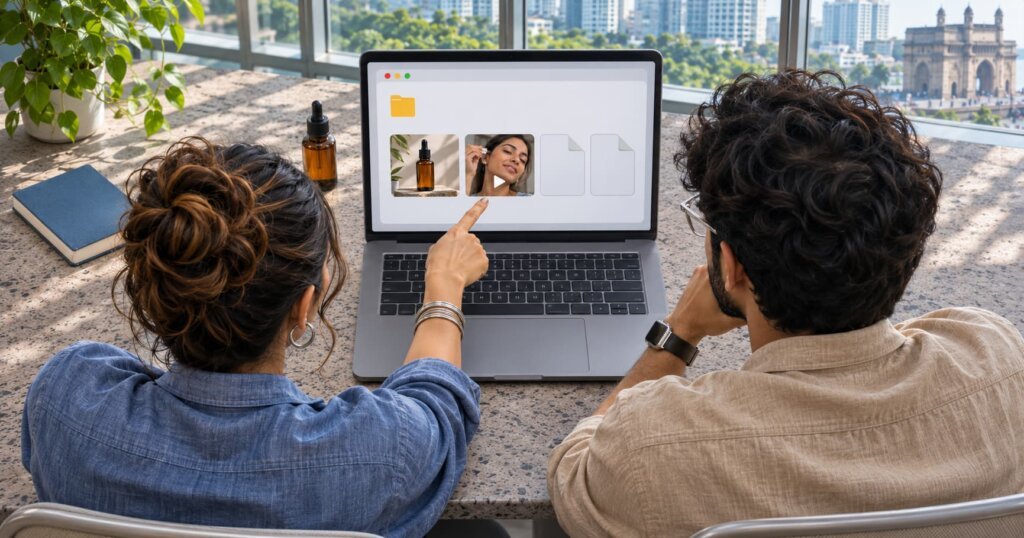
Store the brief, product images, reference videos, contracts and approved claims in one shared folder with clear names. Share the link, not scattered attachments. When someone asks for the latest version, everyone should know where it lives. Tidy files save hours during busy campaign weeks, and they make audits easier when someone asks what was agreed.
Send Fewer Words, Get Better Content
A strong influencer campaign brief is short at first, clear in detail and fair on rights and payment. Use the two-stage method, personalise your outreach and agree on the essentials in writing. If you want support with creator sourcing, briefs and campaign management, explore DigiStreet Media’s influencer marketing agency services or contact the team.
Reference Links
| Relevant Topic or Resource | Why It Is Relevant | Verified Link |
|---|---|---|
| DigiStreet Media influencer marketing agency | Service page for creator sourcing and campaigns | Influencer marketing agency in India |
| Khaitan and Co: ASCI influencer advertising guidelines | Source for disclosure labels and shared responsibility | ASCI influencer advertising guidelines |
| DigiStreet Media contact page | Starting point to plan a creator campaign | Contact DigiStreet Media |
Frequently Asked Questions
What should an influencer campaign brief include?
Include the brand, goal, audience, key message, must-include and must-avoid points, deliverables, timeline, tracking, rights and payment terms.
How long should an influencer brief be?
Keep the first outreach under 150 words and the full brief to about two pages.
Should I send the full brief in the first message?
No. Send a short outreach note first, then share the full brief once the creator shows interest.
What usage rights should I ask influencers for?
Define where and how long you can use the content, whether you can edit it and whether paid ads are allowed.
How many revisions should I allow influencers?
One or two rounds is common. Agree on the number before work begins.
Do I need a contract with influencers?
A written agreement protects both sides. It should cover deliverables, rights, payment, timelines and disclosure.
How do I make sure influencers disclose partnerships?
Include a clear disclosure instruction in the brief, referring to ASCI guidelines, and check the draft before posting.