



A brand manager has ₹5 lakh to spend and a shortlist that mixes small creators with large ones. The big names promise reach, while the smaller ones promise trust. Choosing between micro vs macro influencers is really a choice about goals, because each group does different work. This guide shows how to decide, how to split a ₹5 lakh budget and how to avoid the common traps.
How Micro and Macro Differ
Definitions vary by agency and platform, so treat the labels loosely. Many marketers call creators with roughly 10,000 to 100,000 followers micro influencers, and those with several hundred thousand or more macro influencers. Always ask for audience data instead of relying on the label.
Micro creators often have tighter communities and more conversation in comments. Macro creators offer wider reach and faster awareness. Neither group guarantees sales, so the creator’s audience fit matters more than size.
Start With the Campaign Goal
Pick the goal before the creator. If you want awareness for a new product, reach matters more. If you want purchases, audience fit and trust matter more. If you want content for ads, production quality and usage rights matter more.
Write the goal as a number where possible, such as new customers, qualified clicks or content pieces. This makes it easier to compare a large creator with several small ones.

A Note on Rates
Creator rates vary widely by platform, category, language, content type and demand. I do not quote rates here, because any figure would mislead. Ask for written quotes from every creator or agency, and compare them against deliverables, usage rights, timelines and exclusivity.
Three Sample Plans for ₹5 Lakh
These splits are illustrative planning examples, not benchmarks, and they do not guarantee results.
| Plan | Creator mix | Share of budget | Best for |
|---|---|---|---|
| A: Micro-led | Many micro creators, one or two mid-sized | 65% creators, 15% product and logistics, 20% boosting | Trust, trials, content variety |
| B: Balanced | A few micro, one mid or macro | 60% creators, 15% product and logistics, 25% boosting | Awareness plus conversion |
| C: Macro-led | One macro, a few micro | 70% creators, 10% product and logistics, 20% boosting | Fast awareness, launches |
Plan A spreads risk and gives you more content to test. Plan C gives you a bigger single moment but depends on fewer people. Plan B often suits brands that want both reach and proof.
When Micro Creators Make Sense
Choose micro creators when you need believable recommendations, niche communities or regional language reach. They also suit products that need explanation, such as skincare, food, fitness and home items. Because you work with many people, you can test messages, formats and audiences quickly.
The trade-off is management. More creators mean more briefs, more tracking, more approvals and more follow-up. If your team lacks time, plan for coordination support.
When Macro Creators Make Sense
Choose macro creators when you need wide awareness, event buzz or a strong launch moment. They can help a new product enter the conversation fast. Their content may also lend credibility to a brand that wants mass visibility.
The trade-off is cost per person and possible audience mismatch. A large following may include people outside your target market, so check audience location, age and interests before you commit.
How to Vet Any Creator
Review their last twenty posts, not just the top ones. Look at comment quality, not only counts. Ask for audience demographics, past brand work and results they can share. Watch for sudden follower spikes, repetitive comments and mismatched audiences.
Confirm their disclosure habits. Under the Advertising Standards Council of India’s influencer guidelines, creators must label posts with a material connection, and brands share responsibility. Add disclosure rules to your brief.

Structure the Deal
Define deliverables, timelines, revision rounds, usage rights, exclusivity and payment terms in writing. Consider a mixed model, with a fixed fee plus a bonus for tracked results, if the creator agrees. Keep some budget for boosting top-performing posts, since paid support can extend reach and reveal winners faster.
Measure Beyond Views
Give each creator a unique link and code, and track new customers, cost per acquisition and return rate. Add a post-purchase question about how buyers heard of you. Compare creators by cost per new customer and quality, not only by views. Use a small test group or staggered launch if you want to judge incremental lift.
You can read more on measurement in our guide to influencer marketing ROI.
Pick a Plan and Brief Well
Whichever plan you choose, clear instructions matter. Use our influencer campaign brief template to prepare what creators need before you reach out.
How Micro vs Macro Influencers Differ in Reporting
Reporting is easier with one macro creator and harder with twenty micro creators. Plan the reporting method before you launch. Give each creator a unique code and link. Use a shared sheet where you record posting dates, reach, clicks, orders and cost. Ask creators to send screenshots of insights within a fixed number of days after posting.
Remember that insights from creators are self-reported unless you use platform tools that give you direct access. Treat them as helpful but not final, and check against your own sales data.
What to Do If a Creator Underperforms
Not every creator will deliver the same results. Review the content first. Did it follow the brief? Was the call to action clear? Was the audience a fit? Sometimes a creator’s content is strong but the offer is weak. Sometimes the audience simply does not match. Learn from each case before you decide whether to work together again.
Avoid public arguments or heavy-handed demands. Creators talk to each other, and your reputation as a fair brand matters.
Start Small, Then Scale
For a first ₹5 lakh campaign, keep some money aside for a second round. After the first wave, you will know which creators, formats and messages work. Put the extra budget behind those winners, instead of spreading it evenly from the start.
Questions to Ask a Creator Before Booking
Ask what the creator’s audience looks like by city, age and gender. Ask which brands they have worked with in the past year and whether they can share results. Ask how many revisions their quote includes and how long they need for delivery. Ask whether they offer usage rights for ads, and at what price. Ask whether they follow disclosure rules. The answers help you judge fit and professionalism before any money moves.
Regional and Language Reach on a Budget
For India, language can matter as much as follower count. A creator who speaks Tamil, Marathi or Bengali to a local audience may bring more relevant attention than a larger Hindi or English creator. If your product sells across regions, split a share of the budget for regional creators, and brief them in their own language. Check each audience’s city split before booking.
Common Budget Mistakes With Creators
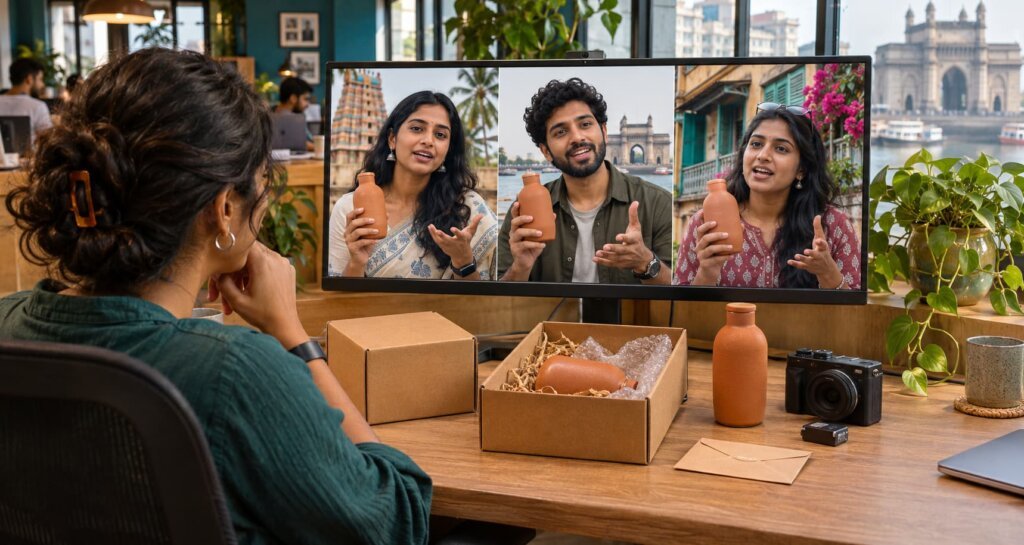
Brands often spend the whole budget on creator fees and leave nothing for product shipping, boosting or reshoots. Others pay for follower count without checking audience fit. Some forget taxes, agency fees or payment gateway costs. Build a line-by-line budget before you contact anyone, and keep a small reserve of about ten percent for surprises. Adjust the figure to your own risk comfort.
Keep Records for Future Campaigns
After the campaign, save every creator’s rate, deliverables, results and feedback in one sheet. Next time, you can start from proven names and fair prices instead of searching again, and your negotiations will rest on real history.
Choose the Mix That Fits the Goal
For most ₹5 lakh budgets, the best answer to micro vs macro influencers is a mix chosen by goal, tested in small steps and measured by customer quality. If you want help shortlisting creators and structuring campaigns, explore DigiStreet Media’s influencer marketing agency services, or speak with the team about your goals.
Reference Links
| Relevant Topic or Resource | Why It Is Relevant | Verified Link |
|---|---|---|
| DigiStreet Media influencer marketing agency | Service page for creator campaigns | https://digistreetmedia.com/services/influencer-marketing-agency/ |
| Khaitan and Co: ASCI influencer advertising guidelines | Source for disclosure and shared responsibility | https://khaitanco.com/thought-leaderships/ASCI-releases-influencer-advertising-guidelines-for-digital-media-Effective-14-June-21-onward |
| DigiStreet Media UGC video agency | Supports reuse of creator content | https://digistreetmedia.com/services/ugc-video-agency/ |
Frequently Asked Questions
What is the difference between micro and macro influencers?
Micro influencers usually have smaller, tighter communities, while macro influencers have larger reach. Definitions vary, so ask for audience data.
Which is better for a small budget, micro or macro influencers?
Micro creators often give more flexibility and content variety on a small budget, but the right choice depends on your goal and audience fit.
How should I split a ₹5 lakh influencer budget?
Common splits reserve most funds for creator fees, some for product and logistics, and some for boosting. Choose a plan based on goals and test small.
How do I check if an influencer’s audience is real?
Review comment quality, audience location, age and interest data, follower growth patterns and past brand work.
Do influencers have to disclose paid posts in India?
Yes, where a material connection exists. ASCI guidelines require clear labels, and brands and creators share responsibility.
Should I pay influencers a fixed fee or commission?
Fixed fees give certainty, and commissions reward results. A mix can balance both, if the creator agrees.
How do I measure influencer results?
Use unique links and codes, track new customers and cost per acquisition, and add post-purchase questions about how buyers found you.