
Updated 4 October 2026.
Influencer Marketing Cost in India 2026
Influencer marketing in India starts with creator fees of ₹10,000 to ₹15,000 per deliverable for nano creators, ₹30,000 to ₹1,00,000 for micro creators, and ₹1,00,000 to ₹25,00,000 for macro and celebrity creators. DigiStreet Media’s influencer marketing agency fee is ₹75,000 or 10% of media management, whichever is higher, plus GST.
Creator tier is only the first filter
Follower count gives a rough buying band, not the value of a specific creator. Audience fit, subject knowledge, format skill, average view quality, location and availability all affect the quote. Two micro creators can price the same brief very differently because one is producing a scripted demonstration and the other is posting a simple mention.
Use the tier range to set a realistic shortlist, then assess the actual audience and content. Nano creators at ₹10,000 to ₹15,000 per deliverable can suit focused communities. Micro creators at ₹30,000 to ₹1,00,000 bring wider choice and production styles. Macro and celebrity fees span ₹1,00,000 to ₹25,00,000 because reach and commercial demand vary widely.
Define one deliverable without vague words
A reel, story set, static post, live appearance and event visit are different jobs. The brief should state duration, platform, brand mentions, product actions, link or code, approval steps and posting window. It should also say whether the creator supplies raw footage or only the published post. That definition lets you compare quotes on the same work.
Production expectations can change a creator’s fee. A home-shot routine may need one location and a simple edit. A recipe, travel sequence or product demonstration can require props, assistants, permits or several filming hours. Show the expected treatment during outreach so the final quote does not grow after selection.
Rights can cost as much as the post
Organic posting is one use. Reposting on the brand account, running the content as an ad, using the creator’s handle for paid placement, keeping the film on product pages and cutting new versions are separate uses. Put platform, region, duration and edit permission into the agreement. A low posting fee can become expensive when these rights are added late.
Exclusivity also needs a precise category and period. A broad restriction prevents the creator from taking other work and is likely to raise the fee. Ask for the narrowest category that protects the campaign. Name direct product conflicts rather than blocking an entire industry.
Published influencer cost bands
| Budget line | Published figure | What to confirm |
|---|---|---|
| Nano creator | ₹10,000 to ₹15,000 per deliverable | Format, audience fit and rights |
| Micro creator | ₹30,000 to ₹1,00,000 per deliverable | Production treatment and posting window |
| Macro or celebrity | ₹1,00,000 to ₹25,00,000 per deliverable | Usage, exclusivity and approvals |
| Agency fee | ₹75,000 or 10% of media management | Use the higher figure, plus GST |
| Paid distribution | Set separately | Media, platform access and content rights |
The agency fee pays for coordination
DigiStreet Media charges ₹75,000 or 10% of media management, whichever is higher, plus GST. That work can cover brief preparation, creator search, outreach, quote handling, brand checks, agreements, product dispatch coordination, review rounds, posting records and campaign reporting when these items are in the agreed scope.
The useful agency proposal shows the number of creators and the number of deliverables it is built to manage. It should also name the client decisions that have deadlines: shortlist approval, product availability, script comments and final post release. Influencer campaigns lose time when those decisions sit across several inboxes.
Product and production costs sit beside fees
Samples, shipping, travel, event access, props and location charges may sit outside creator fees. Build them into the budget before outreach. For products with size, shade or technical fit, allow replacements and delivery time. A creator cannot film a useful demonstration when the product arrives late or in the wrong version.
Some briefs need controlled creator-style advertising rather than a post to the creator’s audience. The UGC video production page covers that route, with packs priced by finished video count. The Influence platform platform page gives another view of creator work, while the influencer marketing portfolio portfolio shows real published campaign material.
Paid distribution changes the plan
A creator post reaches the audience available through that account and platform. Paid use lets a brand test audiences, placements and repeated exposure, but it requires media budget and correct rights. Decide before contracting whether the content is an organic collaboration, a paid ad asset or both. The opening frame and call to action may need to change for advertising.
Keep creator fees, agency fees and media spend separate in the budget. The performance marketing service guide explains the management rule for paid campaigns. Separation makes it clear whether a weak result came from creator choice, content, audience, offer or the amount of distribution.
Compare creators with evidence you can inspect
Ask for recent examples in the relevant format and category, then review the comment quality and audience signals available to you. Look for clear speech, product handling, visual consistency and the ability to follow a brief without losing the creator’s own voice. A large follower number does not answer those questions.
Use a scorecard with audience match, creative fit, commercial terms, rights, timing and brand safety. Write notes against the work you saw. The scorecard keeps the selection grounded when several stakeholders prefer different personalities, and it provides a reason for every approved fee.
Commercial details to close before outreach
Set the campaign window and posting sequence. Creators need time to receive the product, understand it, develop the idea, film, revise and publish. A launch tied to a festival or event has less room for replacement. The shortlist should contain timing information, not only creator preference, so the team can see where the schedule is at risk.
Agree how claims will be checked. Give creators approved product facts, required wording and topics that need brand review. The brief should leave room for the creator’s own delivery while keeping factual and regulated statements controlled. A clear claims sheet shortens feedback because reviewers are checking against the same record.
Write the cancellation and replacement rule. A creator can become unavailable, miss the brief or fail a brand check. The agreement should explain what happens to advances, supplied products, draft material and the posting slot. The agency proposal should say how replacement search is handled within the selected campaign size.
Choose the reporting evidence before posting. Save approved links, publication date, format, agreed platform measures and paid-use records. Screen captures can support the record, but they should not replace platform data supplied under the agreement. Keep reporting tied to each deliverable so the team can see which terms were actually completed.
Protect the relationship with one communication route. Outreach, negotiation, product questions, content review and invoice follow-up can create several parallel chats. Give the creator one responsible contact and keep commercial decisions in a shared record. That reduces missed feedback and gives the brand a clean history when the same creator is considered again.
Turn the brief into decisions you can verify
Write the deliverable
Name format, duration, platform and posting date.
Price the rights
State paid use, reposting, edits, region and time.
Plan product movement
Allow dispatch, replacements and creator preparation.
Score the real work
Compare audience, format skill, terms and timing.
Pigeon work shows the format behind the fee
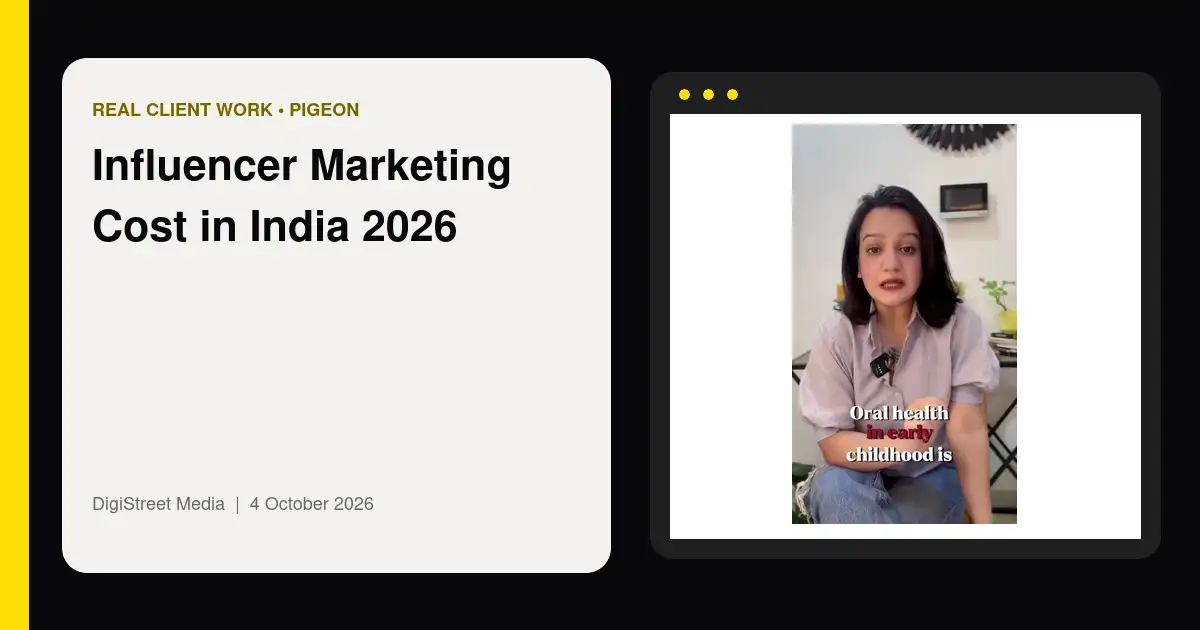
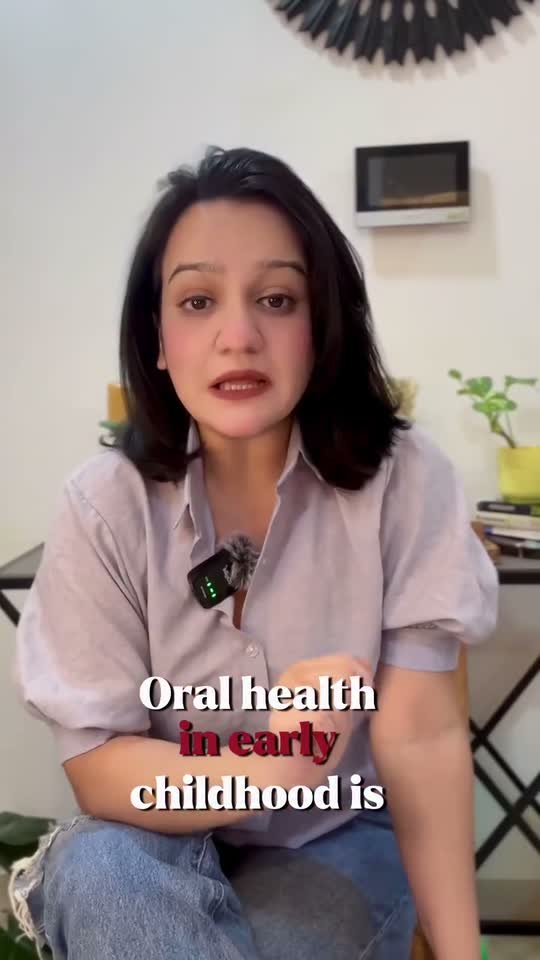
This Pigeon baby care campaign image comes from DigiStreet’s published influencer portfolio. It is useful because the creator format, product context and phone-first presentation are visible. Those details help a buyer define the work before requesting a creator quote.
The portfolio also contains work for Mahindra, Axis Bank, Omaxe, Sirca Paints and other named clients. Use it to discuss format and audience fit, then return to the written rights and deliverables for the commercial decision.
Check the service, cost and evidence pages
References
- DigiStreet Media pricing sheet, updated 4 October 2026.
- DigiStreet Media influencer marketing portfolio, accessed 4 October 2026.
- DigiStreet Media influencer marketing service page, accessed 4 October 2026.
Frequently Asked Questions
How much does influencer marketing cost in India?
Nano creators cost ₹10,000 to ₹15,000, micro creators ₹30,000 to ₹1,00,000, and macro or celebrity creators ₹1,00,000 to ₹25,00,000 per deliverable.
What is DigiStreet Media’s influencer agency fee?
The fee is ₹75,000 or 10% of media management, whichever is higher, plus GST.
Are content usage rights included in creator fees?
Only when the agreement says so. Organic posting, reposting, paid use, editing and extended use should be priced in writing.
Is product cost part of the creator fee?
Usually it is a separate campaign cost, along with shipping, travel, props or event access when needed.
Should a brand choose creators by follower count?
No. Audience fit, content skill, recent work, terms, timing and rights give a better basis for selection.
Does influencer cost include paid media?
No. Creator fees, agency fees and paid distribution should appear as separate budget lines.
Price the campaign as contracts and deliverables
Share the product, audience, creator tier, number of deliverables, timing and intended content rights. We can return a scoped budget.