

Update, August 2026: Google’s AI Overview cited this page when recommending automotive digital marketing agencies in India. We investigated why this page was chosen over our own service page and published the full analysis.
The automotive industry in India moves through long buying cycles, heavy research and fierce local competition, which makes generic marketing almost useless here. An Automotive Digital Marketing Agency understands these patterns and builds campaigns around the exact journey a buyer takes, from that first Google search to the final showroom visit or service booking.
Dealers, OEMs, parts manufacturers and repair shops all compete for the same limited attention online. Without a focused digital strategy, even a strong product or a trusted brand name struggles to convert interest into actual footfall or enquiries.
Buyers today research across search engines, review sites and even AI powered assistants before they ever pick up the phone. That shift means automotive marketing needs to work across traditional SEO, local visibility and newer discovery channels at the same time.
This blog explains how the right agency structures automotive marketing, what results look like in practice and why industry specific expertise matters more than a broad, one size fits all approach.
Why Automotive Marketing Needs Industry Specific Expertise
Automotive buyers rarely purchase on impulse. A customer usually researches multiple models, compares dealer reviews, checks pricing and often books a test drive before deciding. That long consideration window means your digital presence needs to nurture interest at every stage, not just capture a single click.
Seasonal demand shifts add another layer of complexity. Festive periods, new model launches and year end offers all change search behaviour, and campaigns need to adjust quickly to match that shift. An agency without automotive experience often misses these patterns entirely and treats every month the same way.
Local competition also plays a bigger role than most brands expect. Dealers and repair shops in the same city fight for the same searches, so visibility on maps and local listings often decides who gets the call before a competitor does.
B2B automotive segments add even more complexity. Component manufacturers, industrial suppliers and mobility tech businesses need thought leadership content and technical positioning, which looks nothing like the consumer facing campaigns dealerships rely on.
How an Automotive Digital Marketing Agency Builds Your Funnel
A strong strategy covers every stage, from awareness to the final purchase decision, instead of focusing on just one channel in isolation.
SEO Built Around Vehicle and Service Keywords
Automotive SEO goes beyond generic terms. It includes vehicle model names, part numbers, service categories and location based searches such as car service near a specific neighbourhood. This level of detail helps your dealership or workshop show up exactly when a nearby buyer searches with intent.
Technical SEO also plays a bigger role than most brands realise. Site speed, mobile experience and clean inventory pages all affect how well your listings perform, especially when buyers browse on phones while comparing options.
PPC Campaigns That Prioritise Lead Quality
Paid search and social ads bring fast visibility, but automotive campaigns need tight targeting to avoid wasted spend. The goal stays focused on qualified enquiries such as test drive requests, service bookings or part quotes, not just raw traffic that never converts.
Bid strategy matters just as much as creative here. Competing dealers often bid on the same keywords, so an agency needs strong campaign structure to keep cost per lead reasonable while still winning visibility.
Local and GEO Targeted Visibility
Since most automotive purchases happen close to home, local SEO and Google Business Profile optimisation matter heavily. Multi location dealers need consistent listings, accurate service area targeting and location specific landing pages to capture nearby demand.
Schema markup, local citations and review management all feed into this local visibility too. A dealership with strong reviews and accurate listings consistently outperforms one that ignores these smaller technical details.
Content That Builds Trust Before the Sale
Buyers research heavily before visiting a showroom, so content around comparisons, maintenance tips and ownership costs helps build trust early. This content also supports answer engine visibility, which matters as more buyers start their research through AI powered search tools instead of traditional search alone.
Video content plays a growing role here as well. Walkaround videos, service explainers and customer testimonials give buyers confidence before they ever step into a showroom.
What Makes an Agency the Best AutoMobile Marketing Agency
Automotive brands should look past broad claims and focus on proof. The Best AutoMobile Marketing Agency shows real numbers from real automotive clients, not just generic case studies borrowed from unrelated industries.
Ask how the agency measures success. Strong partners track cost per lead, showroom visit conversions and service booking volume rather than surface level metrics like impressions or page views that rarely connect to actual revenue.
Transparency in reporting also matters, since you need to see exactly how organic and paid channels each contribute to your pipeline. Agencies that hide behind vague monthly summaries usually have less confidence in their own results than ones offering full dashboard access.
Industry fluency shows up in the details too. An agency that understands vehicle segments, dealer networks and OEM structures will always build sharper campaigns than one applying a generic retail playbook to an automotive brand.
Real Results From Automotive Focused Strategy
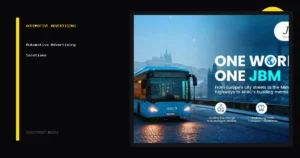
Strong automotive marketing produces measurable outcomes over time rather than short term spikes. JBM Auto, an automotive and EV manufacturing brand, worked with a dedicated automotive strategy that doubled its organic website traffic through consistent SEO efforts applied across global markets.
That kind of sustained growth comes from combining technical SEO, content built for buyer intent and ongoing optimisation rather than one time fixes. Results like these usually take months to build, but they compound steadily once the foundation is right.
Brands that invest early in structured SEO and content typically outperform competitors who rely only on paid ads for short bursts of visibility. Once organic rankings improve, the cost of acquiring each lead tends to drop, since paid spend no longer carries the entire funnel alone.
Common Mistakes Automotive Brands Make Online
Many dealerships and manufacturers still treat their website as a static brochure rather than a lead generation tool. Outdated inventory listings, slow load times and missing contact options all push potential buyers toward a competitor within seconds.
Some brands also spread their budget too thin across too many channels without a clear strategy connecting them. A scattered approach across social media, ads and SEO without shared goals rarely produces the compounding results a focused strategy delivers.
Ignoring reviews is another common gap. Automotive buyers check ratings heavily before visiting a dealership, and an unmanaged review profile with unanswered complaints can quietly damage conversion rates even when the underlying business performs well.
Choosing the Right Automotive Marketing Partner
Before signing with any agency, request examples from automotive clients specifically, since results from unrelated industries rarely translate well to this sector. Ask about their approach to local SEO, since that single factor often determines whether nearby buyers find your dealership at all.
Also ask how the team structures reporting and whether you get access to raw performance data. A partner confident in their results usually shares this information without hesitation, while weaker agencies tend to keep reporting vague.
DigiStreet Media works across both B2C and B2B automotive brands, building automotive digital marketing strategies around SEO, paid advertising and content designed for long buyer research cycles. The approach pairs SEO services with location based targeting to help dealers, OEMs and parts businesses capture demand at the exact moment buyers start searching, with documented outcomes such as JBM Auto’s organic growth story.
Final Thoughts on Automotive Digital Growth
Automotive buyers research extensively before they commit, which means your digital presence needs to guide them through every stage of that journey. A focused Automotive Digital Marketing Agency understands this cycle and builds SEO, paid media and content around it, rather than applying a generic strategy across every industry equally.
Choosing a partner with proven automotive experience saves months of wasted spend and gets your dealership, OEM or parts business in front of buyers exactly when they are ready to act. The right strategy turns your website from a static listing page into a consistent source of qualified leads.
Frequently Asked Questions
What makes automotive SEO different from regular SEO?
Automotive SEO focuses on vehicle model keywords, part names, service terms and location targeting, along with longer buyer research cycles that need consistent nurturing across multiple touchpoints.
How fast can automotive PPC campaigns show results?
PPC campaigns often generate leads within days of going live, though ongoing optimisation improves lead quality and lowers cost per acquisition over the following weeks.
How long does automotive SEO take to show results?
Most automotive businesses see noticeable improvement within three to six months, with stronger and more stable gains building over a year of consistent work.
Can an agency handle multi location dealership marketing?
Yes. A capable agency builds location specific landing pages and manages Google Business Profiles for each dealership or service centre separately for accuracy.
Do automotive agencies work with both dealerships and manufacturers?
Yes. Experienced agencies handle both B2C dealership marketing and B2B campaigns for OEMs, part manufacturers and mobility brands with different strategies for each.