

Automotive advertising must connect national demand with a local sale
An automotive campaign fails when attention, dealer stock and lead handling run as separate jobs. The useful plan begins with the vehicle, buyer and sales territory, then assigns each channel a clear task. If paid acquisition is part of the brief, read the performance marketing cost in India guide before setting the media figure. DigiStreet charges the higher of 15% of monthly media spend or ₹50,000 plus GST a month, with the published rate bands applied to the whole budget.
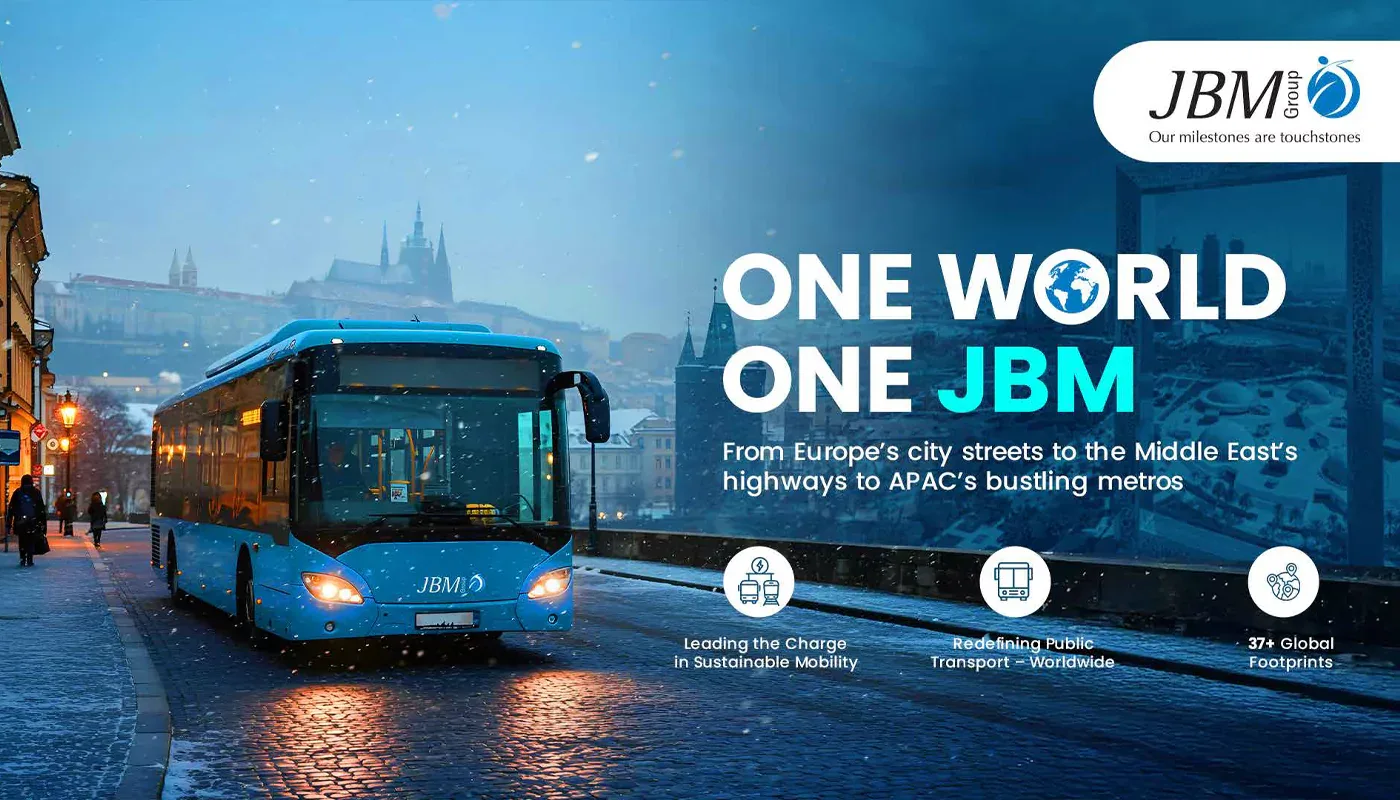
This guide covers the working parts of automotive advertising in India: audience intent, local dealer demand, launch creative, landing pages, follow-up and measurement. It uses JBM Buses work as the real creative reference. The same planning discipline can support passenger vehicles, commercial fleets, components, charging products and aftermarket offers, while the message and lead path change for each buyer.
Treat each search as a different sales conversation
A person searching a model name with “price” has a different need from someone comparing fuel type, seating, payload or service coverage. The first task is to group demand by decision stage and product. Brand terms need accurate model pages. Comparison terms need plain evidence. Dealer and “near me” terms need location, opening details and a clear enquiry action. Fleet queries need specification, ownership and service information that a procurement team can share.
Do not force all of that traffic into one campaign page. A useful account separates branded demand, category research, competitor comparison, regional dealer demand and remarketing. Search copy should match the page heading and the form should ask only what the sales team can use. Product, city and dealer feeds must agree on the same model naming. When a variant is unavailable, the page and campaign should be changed together.
Own searches that already name the vehicle, variant or product category.
Route location-led demand to a page with the correct territory and sales contact path.
Give business buyers specifications, service coverage and an enquiry route built for procurement.
Match parts, service and accessory searches to availability and vehicle compatibility.
Give search, video and social separate work
Search captures expressed demand. Video creates recognition and explains a product quickly. Social keeps the campaign visible while giving the creative team room to test openings, formats and audience cues. Programmatic placements can add reach when frequency and context are controlled. Email and messaging support a lead after consent, especially when a test drive, quotation or dealer visit has a longer follow-up.
A launch plan can begin with video and high-impact creative, but the conversion layer must be ready on the same day. That means model pages, event tracking, phone routing, dealer assignment and lead-response rules are checked before reach rises. A campaign calendar should mark product reveals, booking windows, retail offers, owner stories and service reminders. Each moment needs its own claim and proof rather than a single launch film being cut into every placement.
Set a budget that covers learning and local demand
A sensible paid-media floor is ₹50,000 to ₹1,00,000 a month. Automotive accounts with several models or dealer territories often need more because one combined budget can starve smaller but valuable regions. The agency fee is separate from media. DigiStreet uses the higher of 15% of monthly media spend or ₹50,000 plus GST a month. The rate is 15% below ₹20,00,000, 10% from ₹20,00,000, 8% from ₹50,00,000 and 4% from ₹1,00,00,000, applied to the whole media budget.
| Monthly media | Agency fee before GST | Planning implication |
|---|---|---|
| ₹1,00,000 | ₹50,000 minimum | One product, one market and a focused conversion route |
| ₹5,00,000 | ₹75,000 at 15% | Room for model, location and remarketing groups |
| ₹10,00,000 | ₹1,50,000 at 15% | Broader launch coverage with controlled regional splits |
| ₹20,00,000 | ₹2,00,000 at 10% | National scale with model and territory reporting |
Keep production outside the media line. A campaign may need photography, films, dealer adaptations, creator work and landing-page changes. When those costs are hidden inside media, teams cannot tell whether a weak month came from low reach, tired creative or a broken lead path.
The dealer handoff is part of the campaign
A form submission is only an advertising result when the correct team receives it and acts. Define territory rules, working hours, duplicate handling and lead stages before the campaign opens. Give sales teams the ad, model and location context so the first call does not restart the conversation. Record unreachable, invalid, out-of-territory and future-intent leads separately. That evidence helps media and creative teams make better decisions.
Speed matters, but the response must also fit the request. A test-drive lead needs available slots and a confirmed dealer. A fleet lead needs a named owner and a longer qualification path. A service enquiry should not enter a new-vehicle queue. Weekly reviews should compare platform conversions with accepted leads, appointments, showroom visits and commercial outcomes. Optimising only for the cheapest form tends to reward volume that the sales team cannot use.
Build messages around proof a buyer can check
Automotive creative has to be attractive and specific. Start with the product advantage that matters to the intended buyer, then show the evidence. A commercial-vehicle campaign may lead with route suitability, passenger comfort, service reach or operating logic. A consumer launch may lead with design, cabin use, charging, safety or ownership. Claims must stay consistent with approved product information.
Create a small set of distinct concepts rather than dozens of cosmetic edits. Test the opening frame, the buyer situation, the main claim and the action. Keep type large enough for mobile placements and use captions when sound is off. Dealer adaptations should change location and offer details without weakening the master identity. Store every approved line, end card and legal note so regional versions do not drift.
Report the sale path instead of platform totals
The working dashboard needs spend, reach, qualified visits, accepted leads, appointments and sales feedback by model and market. Phone calls should use trackable routing that respects consent and operational needs. Forms need source fields that survive the CRM handoff. Offline outcome imports can help ad systems learn from useful leads when the sales process records them consistently.
Read cost per lead beside acceptance rate and appointment rate. A higher-cost campaign can be the stronger investment if more people fit the territory, product and buying window. Creative reporting should compare concepts, not only sizes. Search reporting should show the queries and landing pages that produced useful conversations. Monthly decisions then become clear: move budget, change the offer, repair the page or improve dealer follow-up.
A twelve-week launch sequence
| Period | Campaign work | Decision to make |
|---|---|---|
| Weeks 1–2 | Confirm products, territories, approved claims, tracking and dealer routing | Which buyer and action matter first |
| Weeks 3–4 | Build campaign groups, landing pages and distinct creative concepts | Whether every message has matching proof |
| Weeks 5–8 | Launch controlled tests and review accepted lead quality | Which concepts and markets earn more budget |
| Weeks 9–12 | Scale stronger groups, refresh weak creative and import sales feedback | What should remain always-on after launch |
This sequence is short enough to create focus and long enough to see the difference between curiosity and qualified demand. A new model, a dealer activation and a fleet campaign may need different timings. The rule is to agree the evidence and sales handoff before media expands.
Give every partner the same information
A useful brief names the product, approved markets, dealer network, launch dates, stock limits, buyer groups and intended action. It includes the current website, product material, past media evidence and the lead stages the sales team already uses. List the people who can approve claims, creative, landing pages and budgets. This lets an agency respond to the commercial situation rather than guess from a product brochure.
Ask proposals to separate strategy, media, production, landing-page work and measurement. Require a sample campaign structure and a clear first-month output list. Compare the team that will deliver the account, not only the people in the presentation. The strongest answer should explain which assumptions need testing, how dealer feedback returns to media and what the brand will own at the end of the campaign.
JBM Buses creative shows how an automotive product becomes a campaign idea
Questions to settle before automotive media begins
Which advertising channel should an automotive brand start with?
Start with the channel closest to the commercial gap. Search suits existing model or dealer demand; video and social suit launch awareness and message testing.
How much media should an automotive campaign use?
A sensible floor is ₹50,000 to ₹1,00,000 a month, though several models and territories usually require separate working budgets.
How is the performance marketing fee calculated?
The fee is the higher of 15% of monthly media spend or ₹50,000 plus GST, with 10% from ₹20,00,000, 8% from ₹50,00,000 and 4% from ₹1,00,00,000.
Should every dealer get a separate campaign?
Separate campaigns are useful when stock, offer, territory or lead ownership differs. Shared campaigns work when those conditions and reporting remain consistent.
What should an automotive lead form ask?
Ask for the minimum sales team needs, such as model, location, contact details and the requested action. More questions can reduce completion without improving qualification.
How often should automotive creative change?
Review concepts against qualified response and frequency. Change weak openings or tired messages while keeping approved product facts and identity consistent.
Sources used for this guide
Connect media, creative and dealer response
Share the product, markets, sales route and working media range. DigiStreet can turn them into a measurable campaign plan.