
An Indian skincare brand launching into the UK usually starts with the same instinct, producing a beautifully lit hero video and running it across every platform. Then the results come in flat, and nobody on the team quite understands why. The likely answer is UGC video for skincare brands, since UK shoppers in this category respond to something that looks and feels like a real customer talking honestly about a product, not a studio production trying to convince them of one.
Why Polished Ads Underperform With UK Skincare Shoppers
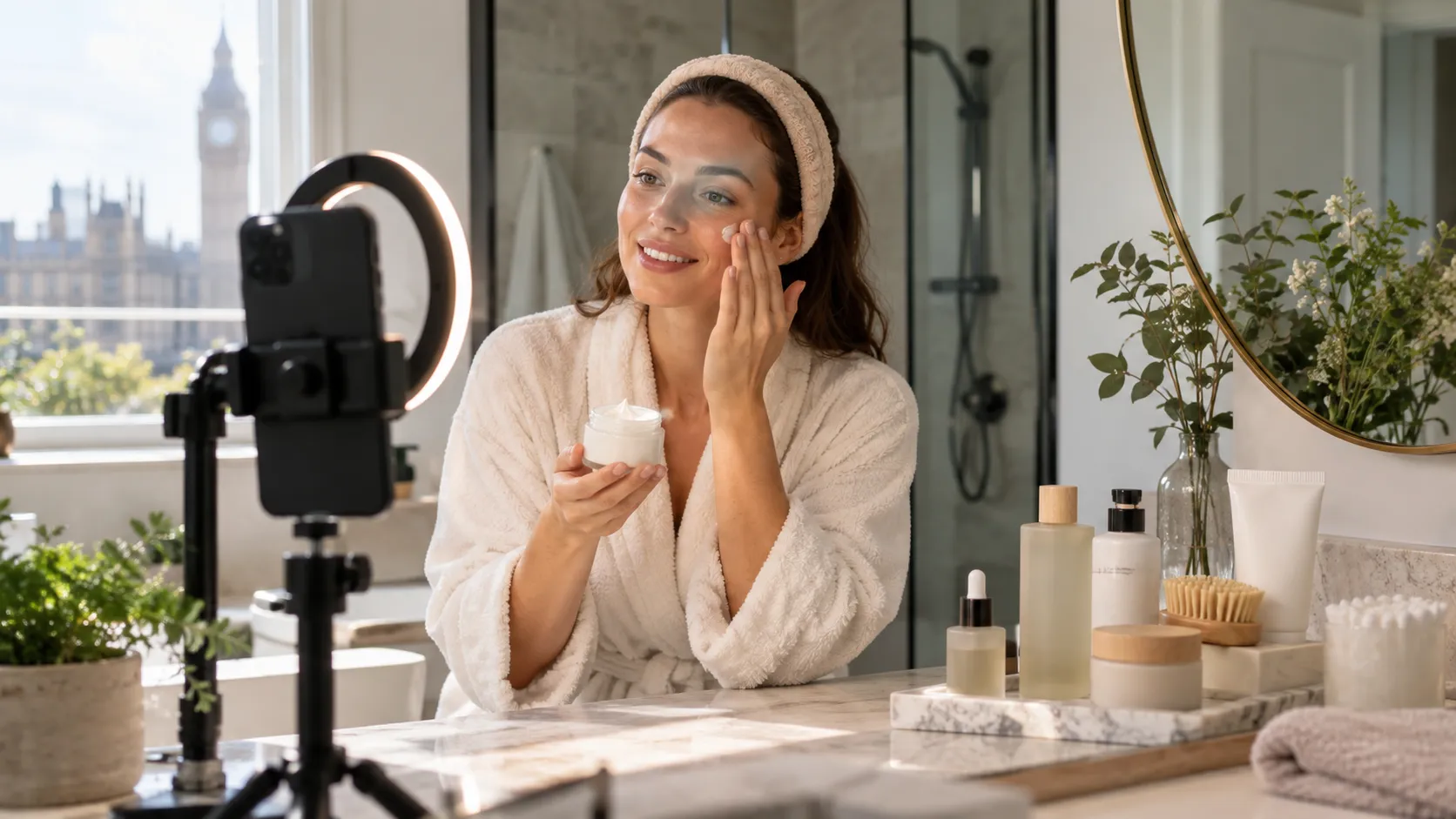
The UK skincare market has matured past the point where a glossy ad alone moves a purchase decision. Shoppers here have been burned before by products that looked incredible in advertising and disappointed in actual use, and that history shows up as genuine skepticism toward anything that feels too produced. A visibly real person filming themselves in their own bathroom, talking through a breakout or a routine change, carries a credibility that no amount of studio lighting can replicate.
This isn’t unique to skincare, but it’s especially pronounced in the category because the product claims are personal and often hard to verify from an ad alone. A UK shopper reading "clears breakouts in two weeks" wants to see someone who actually experienced that, not hear a brand assert it.
What Makes UGC Content Agency India Work Different From a Standard Video Shoot
A UGC content agency India partnership operates on a different production logic than a traditional commercial shoot. Instead of one expensive, highly polished asset, the goal is a steady volume of shorter, rawer clips that each feel individually authentic. Digistreet’s work through its UGC video agency practice treats this as its own production discipline, briefing creators on message and product truth while deliberately leaving room for the imperfect, unscripted feel that makes this content actually work.
This requires a different kind of quality control than a traditional shoot. The team isn’t checking for perfect lighting or a flawless take. They’re checking whether the content still feels genuine after a script pass, since over-directing a UGC piece is the fastest way to strip out the exact quality that made the format effective in the first place.
Skincare Brand Video Marketing UK Audiences Actually Respond To
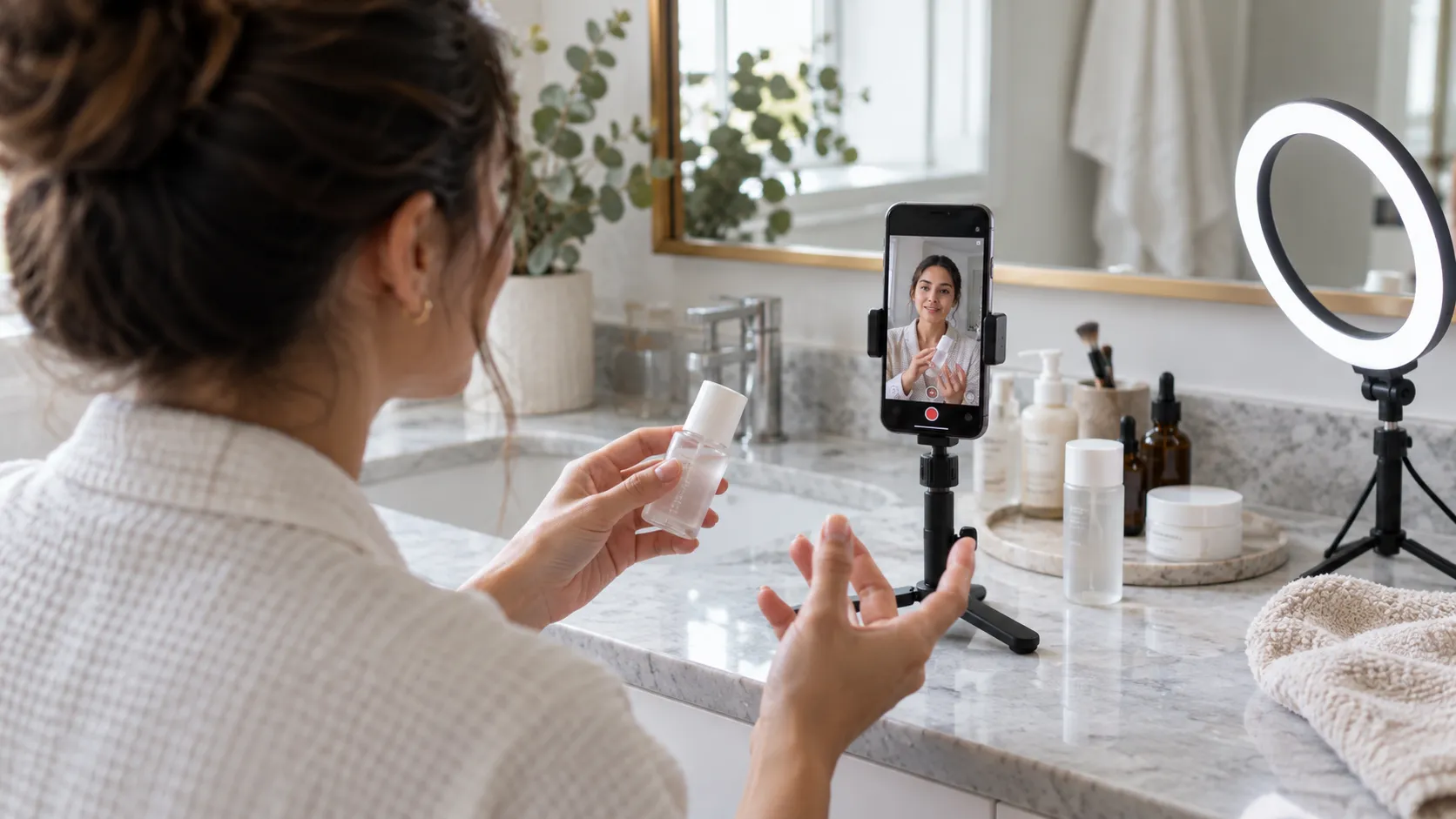
Skincare brand video marketing UK audiences engage with tends to follow a recognizable pattern once you’ve seen enough of it work. Before and after footage shot over real time, not a single dramatic reveal. Honest mention of what didn’t work alongside what did. A visible routine rather than a single application moment. This level of specificity is hard to fake convincingly, which is exactly why it earns trust when it’s genuine.
Brands entering the UK for the first time sometimes assume they need to soften Indian-origin branding to fit local expectations. In practice, UK skincare buyers have grown considerably more open to global and Ayurveda-adjacent formulations over the past few years, provided the content presenting them feels credible rather than performative. The origin story becomes an asset when it’s told honestly rather than something to downplay.
Not sure what would actually resonate with a UK audience versus your existing Indian creative? Talk to the team about testing a small UGC batch before committing to a full campaign.
UGC Creator Sourcing for a Market You Haven’t Launched In Yet
UGC creator sourcing gets genuinely harder when a brand has no existing UK customer base to draw creators from. Digistreet typically approaches this by identifying UK-based creators already active in skincare and wellness content, rather than asking Indian creators to represent a market they don’t actually live in. This matters more than it might seem, since regional skin concerns, water hardness, climate, and product availability all shape what a UK viewer finds credible in someone else’s routine.
A working sourcing process usually starts small, testing content from a handful of creators before scaling the ones whose audience engagement and comment sentiment actually translate into traffic and sales, rather than committing to a large creator roster upfront based on follower count alone.

Building a D2C Export UGC Strategy Around Actual Buyer Behavior
A D2C export UGC strategy for the UK needs to account for how differently a first-time international shopper evaluates an unfamiliar brand compared to a domestic one. Trust has to be established faster and more explicitly, since there’s no existing brand recognition to lean on. This is where Digistreet’s broader ecommerce marketing experience with export-focused D2C brands becomes relevant, the same credibility-building principles that matter for any brand entering a new market apply with extra weight when the content itself needs to carry that trust-building work.
A realistic strategy usually sequences content by what a buyer needs to see first. Early content should address basic skepticism, does this actually work, is this a real product. Once a brand has some traction, later content can shift toward routine-building and repeat purchase behavior, since by that point the audience has already accepted the product’s basic legitimacy.
Skincare Ecommerce Video Content on the Product Page Itself
Skincare ecommerce video content matters just as much on the product page as it does in advertising, and this is a step brands frequently skip after investing heavily in ad creative. A UK shopper who clicks through from a UGC ad often expects to find similar authenticity on the actual product page, not a sudden shift to sterile studio photography. Embedding a short UGC clip directly on the product listing tends to reduce the hesitation that shows up between click and purchase, since it reinforces the same trust the ad already started building.

What a Realistic First Campaign Looks Like
Brands launching into the UK for the first time don’t need dozens of creators or a massive production budget to start. A focused batch of content from five to eight genuinely well-matched creators, tested against a small ad spend before scaling, gives a much clearer read on what’s actually working than a large, unfocused rollout. Digistreet typically recommends this staged approach specifically for first-time market entrants, since it lets a brand correct course based on real UK engagement data rather than assumptions carried over from the Indian market.
Planning a UK launch and want a clearer sense of what the first few months of content should actually look like? Get in touch and the team can walk through a realistic testing plan for your category.
FAQs
How is UGC video different from a standard influencer partnership?
UGC video prioritizes volume and authenticity over a single polished asset, often using smaller creators whose content feels genuinely unscripted.
Does Digistreet source UK-based creators or work with Indian creators for UK campaigns?
Digistreet typically sources UK-based creators for UK-facing content, since local relevance matters more than production convenience here.
How many pieces of UGC content does a first UK campaign typically need?
A focused first batch usually involves five to eight creators, tested before scaling to a larger roster based on actual performance.
Should Indian-origin skincare brands downplay their origin story for UK audiences?
No, UK buyers have grown more open to Ayurveda-adjacent products, and an honest origin story often builds more trust than hiding it.
Can UGC video content be used on product pages, not just in ads?
Yes, embedding UGC clips directly on product listings often reduces hesitation between a shopper clicking through and completing a purchase.
How long before UGC campaigns show measurable results for a new market entry?
Most brands see early engagement signals within a few weeks, with clearer sales impact data building over the first two to three months.
Does Digistreet handle both the creator sourcing and the campaign strategy together?
Yes, Digistreet manages sourcing, briefing, and strategy as one connected process rather than separate disconnected tasks.