


A business owner asks two agencies for help. One pitches ads on Google and Instagram. The other pitches SEO, content, email and analytics. Both call themselves digital marketing partners, and the owner wonders which one is right. The question of digital marketing vs advertising comes up often, and the answer is simpler than it looks: advertising is one part of digital marketing, and brands need each at different moments.
What Is Advertising?
Advertising is paid communication. You pay to place a message in front of an audience, whether on search results, social feeds, video platforms, websites, television or print. You control the message, the audience and the budget, and results start as soon as the ad runs.
Digital advertising includes search ads, social ads, display banners, video ads, shopping ads and sponsored placements. When the money stops, the traffic from those placements usually stops too.
What Is Digital Marketing?
Digital marketing is the wider practice of attracting, convincing and keeping customers online. It includes advertising, but it also covers search engine optimisation, content, social media, email, website experience, marketing automation, analytics and customer retention.
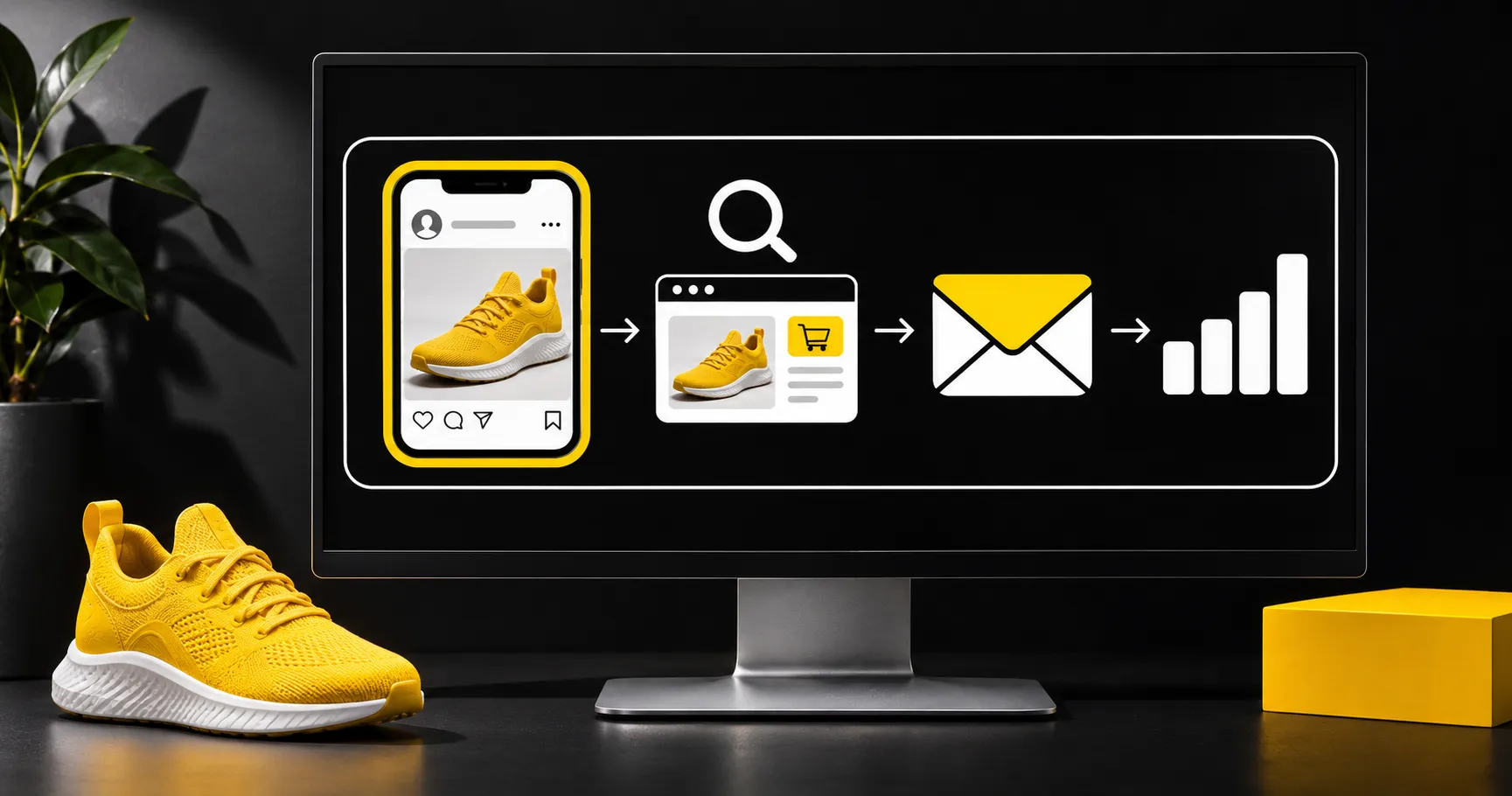
Think of it as the whole journey. Advertising can bring people in. Content and search can help them find answers. Your website can help them decide. Email and messaging can bring them back.
The Core Differences
| Area | Advertising | Digital marketing |
|---|---|---|
| Scope | Paid placements | Paid, owned and earned channels |
| Speed | Fast start, stops when spend stops | Slower start, builds over time |
| Cost pattern | Ongoing media spend | Mix of spend, effort and assets |
| Main strength | Reach and demand capture | Trust, discovery and retention |
| Main risk | Rising costs, ad fatigue | Slow results without patience |
The table is a simplification. Many strategies blend both, and the line between them can blur. A video ad, for example, can build awareness and also feed a retargeting audience.
When a Brand Needs Advertising First
A digital billboard advertises an orange running shoe above a busy city intersection at dusk.
Choose advertising first when you need speed and have something ready to sell. A new product launch, a seasonal sale, a lead-generation offer or a limited-time event all suit paid media. Ads also help when you need to test a message quickly, because you can see audience response within days.
Advertising works best when your website, offer and tracking are ready. Sending paid traffic to a weak page wastes money. If you plan campaigns of this kind, DigiStreet Media’s ad management services cover search, social, display and video advertising.
When a Brand Needs Broader Digital Marketing First
Start with broader digital marketing when trust, discovery and long-term efficiency matter most. A new business with no website content, a service brand with a long sales cycle or a company that depends on search may need SEO, content and a stronger site before heavy ad spend.
Broader marketing also helps when ad costs rise. Brands with strong organic visibility, email lists and loyal customers rely less on paid reach. They can still advertise, but each rupee works harder.
How Advertising and Digital Marketing Work Together
The strongest plans combine both. Advertising brings fast attention. Content and SEO capture people who search later. Email and messaging nurture those who are not ready. Analytics shows which parts deserve more investment.
For example, a home decor brand might run paid social to introduce a new collection, publish buying guides to capture search interest, and send consented emails to customers who viewed products but did not buy. Each part supports the others.

A Simple Decision Guide
Ask four questions. Do you need results this month? If yes, advertising likely comes first. Do you have a conversion-ready site and offer? If not, fix those first. Do your buyers research for weeks? If yes, content and search matter. Do you rely on repeat customers? If yes, email, messaging and retention deserve a place in the plan.
Most brands benefit from starting with one core channel, measuring it and then adding others. Trying everything at once spreads effort too thinly.
Choosing the Right Partner Type
You may see agencies called advertising agencies, digital marketing agencies or performance marketing agencies. The labels overlap, so look at what the team actually does. Ask for the services included, the reporting method and the goals they will track.
If you are unsure where to begin, our guide to what happens in the first 30 days with a marketing agency shows how a good partner sorts priorities, runs audits and sets up tracking before spending your budget.
Measure Each Part Differently
Judge advertising by cost per acquisition, return on ad spend and customer quality. Judge SEO by qualified traffic, rankings for useful searches and leads or sales from organic visits. Judge email by repeat purchases and revenue per send. Judge social by reach, engagement and assisted conversions.
Do not compare these numbers on the same time scale. Ads can show results in days, while organic work often needs months.
Digital Marketing vs Advertising for Small Budgets
With a limited budget, the choice is rarely all or nothing. Advertising can bring quick visits and enquiries, but the traffic stops when spending stops. Wider digital marketing, such as search optimisation, email and useful content, builds assets that keep working. A balanced plan often funds a small amount of advertising to learn what works while building those longer-term assets in parallel.
Start by asking what you need in the next 90 days and what you need in the next year. A shop with a seasonal sale may lean on ads. A consultancy that wins clients through trust may lean on content and search. Both may need some of each.
A Hypothetical Example
This is a planning example, not a result. A new skincare brand with a modest budget might put most of its first-month spend into a few tested ad creatives, to learn which message and audience respond. At the same time, it can set up product pages, email capture and a simple blog, which cost mostly time. In month three, it compares what the ads taught it with what the content brought in, and adjusts the split.
Mistakes to Avoid
Do not treat advertising as a replacement for a weak website. Do not expect content to deliver sales in a week. Do not measure ads and content with the same yardstick, because they work on different timelines. And do not hire for one while expecting the results of the other. Be clear with your agency about which part of the mix you are buying and how you will judge it.
How to Brief Your Team on the Difference
Share a short explanation with your sales, product and finance teams. Advertising is paid media that puts your message in front of people. Digital marketing is the wider system that includes advertising and also search, content, email, social, analytics and conversion work. When everyone uses the words the same way, planning meetings become simpler.
Then agree on shared goals. If finance expects ads to bring immediate profit while marketing plans content for the long term, tension will follow. Write down which activities have short horizons, which have long ones and how you will judge each.
A Simple Rule of Thumb for Choosing
Ask what you need people to do. If you need them to notice and respond to a specific offer within days, lean on advertising. If you need them to find, trust and return to you over months, lean on wider digital marketing. Most brands need both, in proportions that change with season, stage and cash. Revisit the split every quarter instead of fixing it once. The right balance on launch day will rarely stay right a year later.
Pick the Mix That Fits Your Stage
The debate over digital marketing vs advertising ends when you match tools to goals. Use advertising for speed and demand capture, and use broader marketing for trust, discovery and retention. To see how an integrated plan can look, explore DigiStreet Media’s digital marketing services or speak with the team about your goals.
Reference Links
| Relevant Topic or Resource | Why It Is Relevant | Verified Link |
|---|---|---|
| DigiStreet Media digital marketing services | Overview of integrated digital marketing | https://digistreetmedia.com/services/digital-marketing/ |
| DigiStreet Media ad management | Covers search, social, display and video advertising | https://digistreetmedia.com/services/ad-management/ |
| DigiStreet Media contact page | Starting point to discuss goals | https://digistreetmedia.com/contact/ |
Frequently Asked Questions
What is the difference between digital marketing and advertising?
Advertising is paid communication, while digital marketing also includes SEO, content, social, email, website experience and analytics.
Is advertising part of digital marketing?
Yes. Digital advertising is one component of digital marketing, alongside organic and owned channels.
Which is better for a small business, advertising or digital marketing?
It depends on goals and readiness. Ads bring fast traffic, while SEO and content build long-term visibility. Many small businesses start with one focused channel.
Do I need SEO if I run ads?
Often yes. Ads capture demand while you pay, and SEO builds visibility that continues without per-click costs.
How long does digital advertising take to work?
Ads can show early signals within days or weeks, but learning and optimisation take longer.
How much should I spend on ads versus content?
There is no fixed split. Base it on goals, margin, sales cycle and results from small tests.
What does a digital marketing advertising agency do?
It plans and manages paid campaigns and often supports creative, tracking and reporting. Many also provide SEO, social and web services.