
Updated 4 October 2026.
Practical buying guide
Choose on creator fit, disclosure discipline, usage rights, production control and reporting, then check the commercial model in writing. Use this guide when briefing an influencer marketing agency.
Follower count is an input, not a selection method. A creator can have a large audience and still be a weak match for the product, the buying moment or the format the brand needs.
Start with the job. Awareness, product explanation, store visits and reusable ad assets ask for different creators and different briefs. The agency should show how it turns that job into creator criteria before it sends profile links.
The practical test is whether the proposal makes trade-offs visible. You should be able to see why a creator is present, what that person will make, where the content can run and how performance will be read.
The aim is a defensible creator shortlist and a campaign that can be reviewed after it runs. That outcome gives the buying team a firmer basis than presentation style or an isolated headline metric.
Six criteria that expose the quality of the plan
For an influencer partner selection, ask every supplier for the same evidence and record the answer beside the scope.
Audience fit before reach
The audience case should use location, language, age band, interests and comment quality rather than one top-line follower number. Request recent audience screenshots, a sample of relevant comments and the share of views coming from the intended market.
Ask, “Why does this creator fit the buyer and the moment, beyond having reach?” The answer should be specific enough to enter the scope, not left as a promise for later.
This separates a reasoned shortlist from a directory export. Give full credit only when the proposal identifies the owner, deliverable and review point.
A brief a creator can actually use
A useful brief defines the product truth, mandatory points, prohibited claims, format, opening beat and approval route without scripting every breath. Request one redacted brief, one first-cut feedback example and the final approved asset.
Ask, “Which parts are fixed, and where does the creator keep their own voice?” The answer should be specific enough to enter the scope, not left as a promise for later.
This shows whether production can stay on-brand without becoming stiff.
Disclosure and claim checks
Paid relationships need clear labelling, while technical or performance claims need evidence before they reach a creator script. Request the disclosure line, the claim source, an approval owner and a documented correction path.
Ask, “Who checks disclosure placement and product claims before a post goes live?” The answer should be specific enough to enter the scope, not left as a promise for later.
This makes compliance a working step rather than a note at the bottom.
Usage rights written in plain language
The agreement should say where the brand can reuse the content, for how long, in which markets and whether paid amplification is included. Request a rights schedule that covers organic channels, advertising, edits, duration and creator whitelisting where relevant.
Ask, “What can the brand do with the finished content after the creator publishes it?” The answer should be specific enough to enter the scope, not left as a promise for later.
This prevents an attractive reel from becoming unusable in the next media plan.
Fees separated from media and production
Creator fees, agency fees, travel, products, paid amplification and taxes should appear as separate lines so comparisons are honest. Request a creator-by-creator cost sheet and the rule used when scope or deliverables change.
Ask, “Which amounts are creator compensation, management, production and paid distribution?” The answer should be specific enough to enter the scope, not left as a promise for later.
This lets procurement compare like with like.
Reporting tied to the campaign job
Views alone cannot answer every brief. The report should map measures to the stated objective and explain the next creative decision. Request post-level delivery data, link or code data where used, audience responses and a short learning log.
Ask, “What decision will this report help us make after the campaign?” The answer should be specific enough to enter the scope, not left as a promise for later.
This keeps reporting useful after the screenshots are filed.
Use one scorecard for every proposal
Score each proposal against the same evidence. A polished deck should not receive credit for an unanswered operating question.
| Area | Evidence to request | What it tells you |
|---|---|---|
| Creator selection | Named audience and content evidence | Shortlist logic can be checked |
| Content control | Brief, approval route and revision allowance | Brand accuracy and creator voice are balanced |
| Rights and disclosure | Written usage term and visible disclosure rule | Reuse and compliance are clear |
| Commercials | Creator, agency, production and media lines | Costs can be compared |
| Measurement | Metrics connected to the brief | The next decision has evidence |
Score the evidence on a simple zero-to-two scale: absent, partly defined or ready to place in the agreement. Discuss the lowest-scoring operating areas before reopening the price conversation.
Run the selection meeting around evidence
Send one short operating brief
Give every invited agency the same product, buyer, market, objective, deliverables and decision date. Keep the brief short enough that the team can discuss it rather than recite it.
Ask the agency to state assumptions beside the proposal. That makes hidden production, rights or media choices visible before price comparison begins.
Review three creator rationales
Select three names from the proposed list and ask for a spoken rationale for each one. Listen for audience signals, format history and product relevance.
A clear answer will mention evidence and trade-offs. A vague answer will return to reach, engagement rate or celebrity value without explaining the fit.
Trace one asset from brief to report
Walk through the path from creator briefing and approvals to publication, rights storage and results. Note who owns every handoff.
This exercise exposes whether the proposal is a managed system or a collection of loosely connected tasks.
Compare the same commercial scope
Normalise creator count, deliverables, usage term, platforms, paid use and reporting before comparing totals.
Keep the chosen scope as an attachment to the contract. It becomes the reference when a creator, date or format changes.
What the written recommendation should contain
A recommendation for an influencer partner selection should begin with the business problem, the evidence reviewed and the constraint selected for action. It should explain how Audience fit before reach and A brief a creator can actually use affect the proposed scope, with a named owner for every material handoff.
The document should repeat the central direction in plain language: Choose on creator fit, disclosure discipline, usage rights, production control and reporting, then check the commercial model in writing. It should then state the deliverables, review dates, approval route and commercial assumptions that make the direction workable. This is also the place to define what counts as completed work and which record will be used at the review meeting.
Evidence should sit beside each recommendation rather than in an appendix that nobody can trace. Connect Fees separated from media and production with the agreed measurement view, and connect Reporting tied to the campaign job with the person who will use the finding. The final document should create a defensible creator shortlist and a campaign that can be reviewed after it runs, while leaving the team with a clear reason for the next allocation of time and money.
Check the fee model against the written scope
DigiStreet uses creator-fee ranges per deliverable of ₹10,000 to ₹15,000 for nano creators, ₹30,000 to ₹1,00,000 for micro creators, and ₹1,00,000 to ₹25,00,000 for macro and celebrity creators. These are planning ranges, with the final amount tied to the creator and deliverable.
The agency fee is ₹75,000 or 10% of media management, whichever is higher, plus applicable taxes. Creator compensation and paid media sit outside that agency fee, so the budget sheet should show all three lines.
A quote becomes comparable only after deliverables, revisions, rights, paid use, travel, product logistics and reporting have the same definition. Ask for those definitions beside the number, not in a later email.
Put the selected commercial model beside the deliverables, approval responsibilities and reporting period. A price is ready for approval when the team can explain exactly what changes if volume, rights, markets or channel responsibility changes.
Inspect real creator work at full size
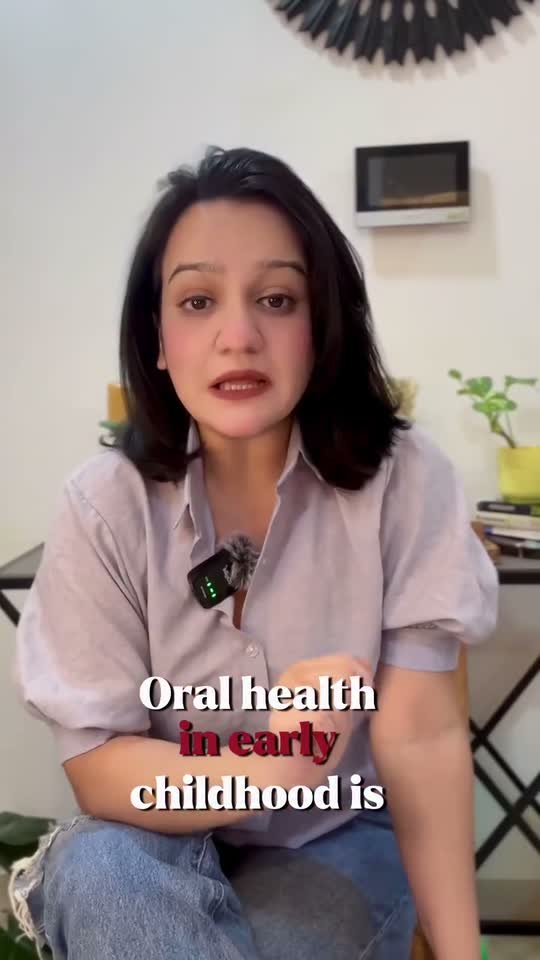
A portfolio review should go past the cover frame. Watch the opening, product handling, disclosure, spoken claims, pacing and final action. Then ask which parts came from the brief and which came from the creator.
The Pigeon example above is useful because it lets a buyer inspect an actual campaign asset rather than a verbal claim about creative quality. The same standard should apply to every work sample in a pitch.
Continue with the source material
Use the linked service, cost and case pages to verify scope details and inspect the work behind the examples.
References
Frequently Asked Questions
What should I ask an influencer marketing agency first?
Ask how it will define creator fit for your buyer and objective. The answer should name evidence, format and market, not only follower bands.
How many creators should be in the first proposal?
The proposal should contain enough creators to show choice without hiding the selection logic. Ask for a reason beside every shortlisted name.
Who owns influencer content after publication?
Ownership and reuse depend on the written rights. The agreement should state channels, markets, duration, edits and paid use.
How should influencer fees be shown?
Fees should be separated into creator compensation, agency management, production expenses, media and taxes. That structure makes comparisons fair.
What proof should an agency provide?
Ask for live or archived campaign assets, the brief, the approval route and a results view connected to the campaign objective.
Is engagement rate enough to select creators?
No. Use it with audience fit, comment quality, content history, brand safety, format skill, rights and the job the campaign must do.
Put the decision into a clear brief
Share the objective, market, current evidence and the decision date. We will answer with a defined scope and the published commercial model.