
Updated 4 October 2026.
UGC marketing can mean real customers talking about a product or paid creators making customer-style videos for a brand. The second type is what most brands buy for ads. DigiStreet’s current packs cost ₹75,000 for five videos, ₹90,000 for ten and ₹1,60,000 for twenty, plus GST.
The distinction matters before anyone writes a brief. A customer review, an unprompted product post and a creator video commissioned by a brand may look similar in a feed, but the rights, disclosure and production process are different. A useful plan says which type it needs, where the asset will run, how long the brand can use it and who approves the final cut.
UGC-style production is usually bought because it gives an advertising team more hooks, faces, demonstrations and edits to test. It is still advertising when a brand commissions it. The creator should speak naturally, while the brand remains responsible for the claims, usage rights and disclosure agreed in the brief.
The two meanings of UGC marketing
| Type | Who starts it | What the brand controls | Common use |
|---|---|---|---|
| Customer UGC | A customer posts from their own experience. | The brand may ask for permission to repost. It should preserve the original meaning and agreed credit. | Community posts, reviews, tagged stories and social proof. |
| Paid UGC-style video | The brand or agency commissions a creator. | The brief, required points, claim support, production schedule, edits and licensed uses. | Meta, Instagram, YouTube and landing-page creative. |
| Influencer endorsement | The brand hires a creator partly for access to that creator’s audience. | Deliverables and approved claims, while the creator publishes to their own following. | Sponsored posts, launches, creator partnerships and awareness campaigns. |
Paid UGC and influencer marketing overlap, but the buying decision is different. With UGC-style production, the brand is mainly buying the asset. With an influencer campaign, distribution to the creator’s audience is part of the fee. A creator with a small following can still make a strong paid-ad asset because the video is judged on the message, performance and fit with the placement.
What a UGC video pack costs
DigiStreet’s five-video pack costs ₹75,000 plus GST, which is ₹15,000 a video. Ten videos cost ₹90,000, or ₹9,000 each. Twenty videos cost ₹1,60,000, or ₹8,000 each. These are production prices from our published UGC video service. Paid media, creator posting to a personal account and requirements outside the agreed production scope are separate.
| Pack | Price plus GST | Effective price | Useful buying pattern |
|---|---|---|---|
| 5 videos | ₹75,000 | ₹15,000 each | One product, a focused launch or a first creator test. |
| 10 videos | ₹90,000 | ₹9,000 each | Several hooks or products with enough variation for a planned test. |
| 20 videos | ₹1,60,000 | ₹8,000 each | A larger creative library for recurring paid and organic use. |
The lowest per-video rate is useful only when the brief can support twenty distinct assets. Changing one opening line and calling every export a new idea wastes the pack. A better plan groups the videos by buyer concern, proof point, format and stage of decision. The production team can then vary the first seconds, demonstration, objection and closing action without losing the product facts.
Compare scope as carefully as price. Ask whether scripting, creator sourcing, products, travel, location, subtitles, aspect ratios, editing rounds and usage rights are included. Put the agreed list in writing. Two quotes that use the phrase “ten UGC videos” can cover very different work.
Real examples from DigiStreet productions
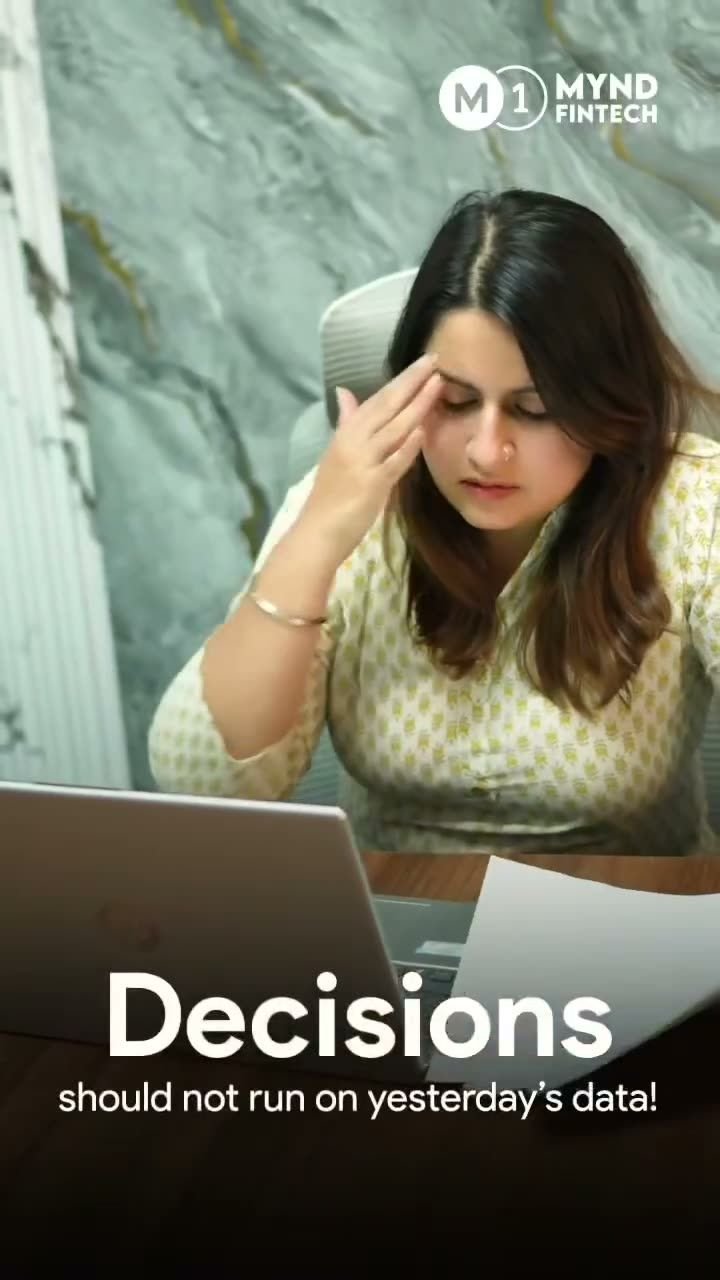
These posters come from videos already shown on DigiStreet’s UGC service page. Each image names the client and links to the service page where the work appears.

A brief that a creator can actually use
Start with one audience and one job for each video. “Make it engaging” gives a creator nothing to work with. “Show a first-time buyer how the product fits into a weekday routine” gives the video a viewer, a setting and a reason to keep watching.
Next, list the required truth. That might be the product name, demonstrated feature, offer period, supported claim and closing action. Give the creator the source for each claim. A health, finance or education claim needs particular care because a casual line can become the main message once the edit is shortened.
Then separate the fixed points from the creator’s own language. A script read word for word often sounds like a script. A useful brief gives a sequence: opening situation, product in use, specific benefit, supporting detail and action. The creator can find natural words inside that frame.
Record the production rules as well. State the aspect ratio, target length, framing, sound requirement, setting, product handling and safe area for captions. Ask for clean source footage when the editing team needs several cuts. Decide the approval route before the shoot, including who checks product accuracy and who checks advertising disclosure.
How to plan formats instead of duplicates
A pack becomes more useful when every asset has a different job. One video can demonstrate the product. Another can answer an objection. A third can compare the old routine with the new one. A fourth can show a use case. A fifth can explain the offer. The exact mix should come from the product and buyer, not a generic list of trends.
Opening lines deserve their own plan. Use a direct problem, a recognisable moment, a surprising product detail or a clear result that the brand can substantiate. Keep the product visible early when recognition matters. For a service, put the situation and person on screen early so the viewer can identify the subject before the explanation starts.
Paid teams also need clean labels. Name each file with the concept, creator, opening and version. When a campaign runs, that label should survive into the ad platform. A report that says “video 7 won” teaches very little. A report that says “first-use demonstration, creator B, direct-price opening” gives the next brief a useful decision.
Rights, disclosure and claim checks
Put usage rights in the agreement before production. State the channels, countries, duration and whether the brand may edit the footage or run it from a creator handle. Organic reposting, paid advertising, website use and marketplace use are different permissions. The creator should know which uses are being bought, and the brand should know when a licence ends.
In India, the Advertising Standards Council of India says material connections between a brand and an influencer should be disclosed, and its influencer resource explains that paid relationships and other benefits can trigger that requirement. The Department of Consumer Affairs also says disclosures should be clear and hard to miss. Build the label and placement into the approval checklist instead of adding it after the post is ready.
Claims need the same discipline in a creator video as in any other ad. The person on camera should use approved product facts and describe an experience they can honestly present. Keep the evidence with the brief. If the evidence supports a product feature but not a numerical outcome, the script should use the feature.
How to review the first month
Review production quality before campaign results. Check whether the product is clear, the opening matches the intended buyer, the sound is usable, captions remain inside the safe area and the required disclosure appears correctly. Fix those issues before comparing concepts.
For paid use, connect each creative to the campaign objective and landing page. Compare assets within a sensible test structure and record spend, delivery and the action the campaign was set to produce. A video built for product discovery should be judged in that context. A retargeting video answering a price objection has another job.
The next brief should come from observed patterns. Retain openings that brought the right viewers into the message, demonstrations that made the product easy to understand and creators who suited the subject. Replace weak concepts with a new angle, not a cosmetic edit.
DigiStreet’s UGC ads service focuses on creator assets built for paid testing. The separate UGC video cost guide explains the production price in more detail.
Frequently Asked Questions
What does UGC marketing mean?
UGC marketing means using customer-created content or paid creator content in a brand’s marketing. The plan should state which type is being used because permission, disclosure and production rules differ.
How much does a UGC video cost in India?
DigiStreet’s published packs start at ₹75,000 plus GST for five videos. Ten cost ₹90,000 and twenty cost ₹1,60,000, bringing the effective price to ₹8,000 a video on the twenty-pack.
Is paid creator content still UGC?
Yes, it is commonly sold as UGC-style content. The accurate description is paid creator content because the brand commissioned it and agreed the brief and usage rights.
Can a brand run UGC as an Instagram ad?
Yes, when the agreed usage rights cover paid advertising and the asset meets the placement requirements. Disclosure, claim support and creator-handle permissions should be settled before launch.
How many UGC videos should a brand start with?
Five videos are enough for a focused first production when each has a distinct job. A larger pack makes sense when the team has enough products, buyer concerns and opening ideas to use the volume well.
What should a UGC brief contain?
A UGC brief should name the viewer, job of the video, required product facts, claim sources, sequence, format, usage rights, disclosure, deadline and approval owner.
References
- Advertising Standards Council of India, Influencer Resource, accessed 4 October 2026.
- Department of Consumer Affairs, “Endorsement Know-hows!” guidance, 20 January 2023.
- US Federal Trade Commission, Endorsements, Influencers, and Reviews, accessed 4 October 2026.
Need a usable creator-video library?
Choose the number of distinct ideas before the number of exports. See DigiStreet’s UGC video packages or send us the product brief.