A product brand that needs a planned storefront, product and collection system, responsive theme work and a controlled launch.

DigiStreet designs and builds Shopify stores from ₹2,50,000 plus GST. The project starts with the catalogue, collections, product information, customer routes and operational needs, then turns them into a responsive storefront with an SEO-ready structure and a tested path through cart and checkout.
₹2,50,000 plus GST is the starting price for a Shopify ecommerce website project. The proposal sets the catalogue size, page and template system, content responsibility, theme route, integrations, migration work, testing and launch support included in that price.
A Shopify store succeeds as a buying system. Customers need to find the right collection, understand a product, choose the correct variant, trust the delivery and return information, and complete the platform’s checkout. The design work gives each of those decisions a clear place on desktop and mobile.
We begin with products and operations rather than choosing a visual theme in isolation. Catalogue rules affect filters and collections. Photography affects the product template. Shipping, returns, discounts, markets and tax decisions affect what the team must configure and test. The store plan records those dependencies before build work begins.
Shopify website projects start at ₹2,50,000 plus GST. The final proposal is built around the catalogue, templates, content, app and integration needs, market setup, migration and release plan.
A product brand that needs a planned storefront, product and collection system, responsive theme work and a controlled launch.
₹2,50,000 plus GST is the starting price for a Shopify ecommerce website project. The proposal sets the catalogue size, page and template system, content responsibility, theme route, integrations, migration work, testing and launch support included in that price.
A Shopify store succeeds as a buying system. Customers need to find the right collection, understand a product, choose the correct variant, trust the delivery and return information, and complete the platform’s checkout. The design work gives each of those decisions a clear place on desktop and mobile.
We begin with products and operations rather than choosing a visual theme in isolation. Catalogue rules affect filters and collections. Photography affects the product template. Shipping, returns, discounts, markets and tax decisions affect what the team must configure and test. The store plan records those dependencies before build work begins.
A product brand that needs a planned storefront, product and collection system, responsive theme work and a controlled launch.
Store and catalogue discovery · Product, collection, content, cart and checkout-path planning · Responsive Shopify theme design and build, testing and handover within the agreed scopeA collection is more than a row of products. It tells the customer which choices belong together and which differences matter. We review category, use, material, size, audience, price and other product attributes, then decide which ones deserve navigation, filtering or a supporting guide.
Product data has to support that structure. Naming should be consistent. Variants need clear labels. Images need an agreed order and ratio. Specifications, ingredients, care, compatibility or size information need reusable fields where the catalogue repeats them. Good data makes design and merchandising easier to maintain.
Shopify’s official documentation explains that themes use templates for products, collections, cart, pages and other content types. We plan those templates around the brand’s real catalogue rather than treating every product as if it needs the same amount and type of information.
The first test catalogue should include a simple item, a variant-heavy item, a product with long information, a sold-out state and any subscription, bundle or custom request that sits inside the agreed brief. Those examples expose template gaps before hundreds of products are entered.
Theme demos are made to look complete. A merchant should remove the demo photography mentally and inspect the actual product, collection, navigation, search, content and responsive behaviour. We compare the required store states with the theme’s published features and the work needed to close the gaps.
Shopify’s Theme Store can be searched by features such as product filtering, quick buy, related products, video, sticky navigation and search-engine optimisation. The Shopify Help Center also says that feature support depends on the theme and its version. We record the selected theme and version during the project.
Configuration and custom work are different lines in the build plan. Theme settings can control typography, colour, spacing, sections and other supported options. A custom component or code change needs its own purpose, review and maintenance note. That distinction helps the merchant understand what can be changed safely after handover.
The design system uses a small set of reusable components and states. Product cards, badges, promotional strips, drawers, accordions and content sections should behave consistently. Motion stays light, works on mobile and respects reduced-motion preferences.
The first screen should identify the product, its main value, current price and available choice without hiding important information behind several interactions. The rest of the template gives the customer the detail needed for that category. Apparel may need size and care. Equipment may need specifications and compatibility. Food may need ingredients and storage.
Proof should be specific to the product or brand. Real photography, approved reviews, demonstrations, certifications and clear policies can support the choice when the merchant owns those materials. The design sets a place for proof and an owner for keeping it current.
Product media needs a working rule. The team agrees image ratios, minimum useful resolution, video treatment, alt text and the order of the gallery. This prevents the template from changing height sharply as a customer moves between products or variants.
Related products and recommendations need a merchandising purpose. A compatible item, refill, accessory or next size helps the customer. A random row of popular products may distract from the decision on the page. The catalogue model should supply the relationship rather than asking an editor to rebuild it by hand every week.
The storefront owns the route into cart and the information around it. Quantity, variant, delivery context, discount communication and policy links should remain clear as a customer adds or changes an item. The cart should show enough detail to catch a wrong choice before the customer continues.
Checkout behaviour also depends on the merchant’s Shopify plan, payment setup, shipping configuration, apps and market settings. The proposal identifies which settings and checks belong to the project. A design should not imply a payment, delivery or promotional rule that operations cannot support.
We create representative test cases before launch. They cover key product types, important variants, discount states in scope, shipping destinations agreed for testing and the messages a customer receives. The merchant confirms the operational result and the receiving systems.
Cart recovery, post-purchase communication and account behaviour can involve Shopify settings or apps. Each one receives a named owner and test path when it forms part of the signed build.
Shopify’s current Markets documentation says merchants can configure experiences for groups of customers, including currency, language, product availability and pricing. The store team still needs to decide which countries it serves, what can be shipped there, who owns translations and which prices or products change.
We translate those commercial decisions into the agreed storefront scope. Navigation, messaging, product availability and policy content should make sense for the selected market. Shipping rates must be configured for countries a merchant wants to activate, as Shopify states in its Markets requirements.
Some market customisation depends on the Shopify plan and payments setup. We record the merchant’s current plan, payment route and required markets during discovery, then use the official Shopify requirements when recommending configuration.
A multi-market launch benefits from one test table listing country, currency, language, product, shipping route, payment expectation and the client owner who confirms the result. That record is more useful than assuming an automatic location switch has covered every buying case.
An SEO-ready store gives products and collections distinct jobs, uses clear titles and descriptions, controls duplicate paths and connects related buying information. The build provides the structure. Ongoing search growth needs product knowledge, content, technical review and authority work after launch.
Collection copy should help a customer choose rather than fill space below a grid. Product copy should state what the item is, who it suits, how variants differ and the facts the merchant can support. Guides can answer comparison, care, size, material or application questions and link directly to the relevant products.
Shopify Analytics provides dashboards and reports for store activity, visitors, web performance and transactions, with availability depending on the subscription plan. During discovery, the merchant names the business questions and any additional analytics requirements in scope. The launch checklist tests the agreed signals.
DigiStreet’s Shopify SEO service is a separate page and ongoing offer. The website design project sets an orderly technical and content base; the SEO programme handles continuing research, production, monitoring and authority work.
A migration begins with an inventory of products, variants, collections, customers or orders in scope, content pages, media, URLs, redirects, apps and data owners. The proposal states which material moves, how it is supplied and which team checks the result.
We test the templates with a small representative data set before bulk entry. That gives the merchant time to correct naming, options or image rules before the same error reaches the whole catalogue. Bulk work should follow a signed field map and a validation sample.
The release list covers domain and access responsibilities, theme publication, redirects, key pages, policies, representative orders, notifications in scope, analytics requirements and staff training. Shopify allows merchants to preview unpublished themes, which supports review before the live theme changes.
After launch, the merchant needs a clear route for urgent store issues, routine content edits and new feature requests. Handover records the theme, custom work, app responsibilities, editor rules and the list of follow-up items accepted at release.
Products, variants, options, collections, tags, filters and product data are mapped against the way customers choose.
The project states whether an approved Shopify theme is configured, extended or used as the base for a more custom design system.
Home, collection, product, content, cart and supporting templates receive clear roles and reusable content fields.
Product copy, photography, video, size or specification information and policy content receive owners and delivery dates.
Each proposed app or connection has a named job, data owner, store effect, cost owner and test case.
The final store is checked through representative buying routes before the merchant team receives editor and operating guidance.
Shopify website projects start at ₹2,50,000 plus GST. The final proposal is built around the catalogue, templates, content, app and integration needs, market setup, migration and release plan.
A product brand that needs a planned storefront, product and collection system, responsive theme work and a controlled launch.
Get a quoteShopify provides the commerce platform. The agency work decides how the catalogue, brand, content and store operations use that platform for this particular business.
We review the catalogue, variants, markets, content, fulfilment inputs, returns, discounts, current data and integrations.
The team agrees navigation, collection logic, product fields, supporting pages and the route into cart and checkout.
Core templates are designed with representative products, variants, images and copy across desktop and mobile.
Approved components, templates, content and agreed apps are built and reviewed in a non-live theme or store state.
Representative products, cart states, checkout handoff, email triggers in scope, policies, analytics requirements and editor actions are tested before launch.
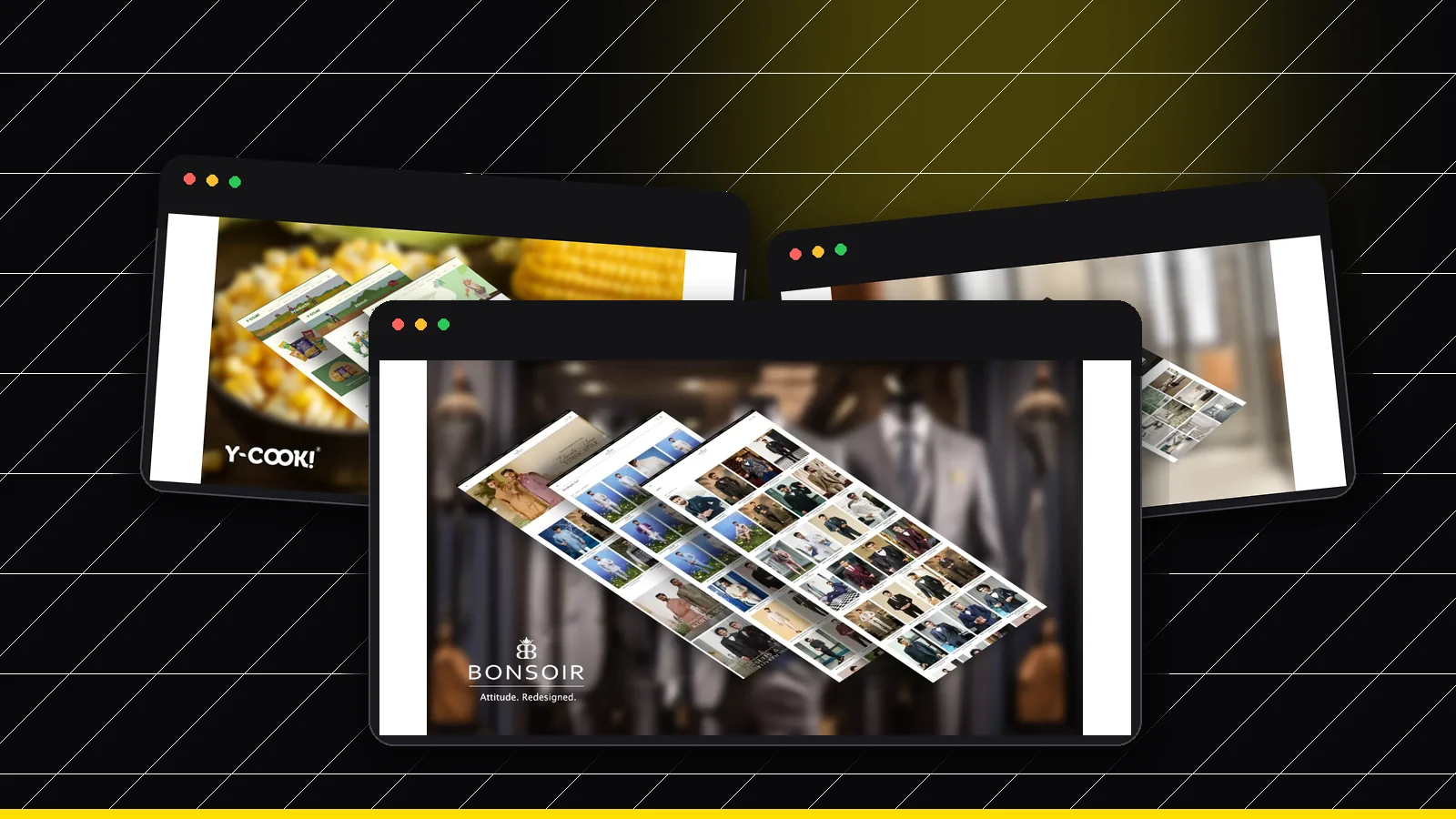
 Bonsoir · Menswear ecommerce website presentationReal work
Bonsoir’s published asset shows real ecommerce website work in a fashion context. Use it inside a browser or device frame and keep the original client design unchanged.
Read the case study →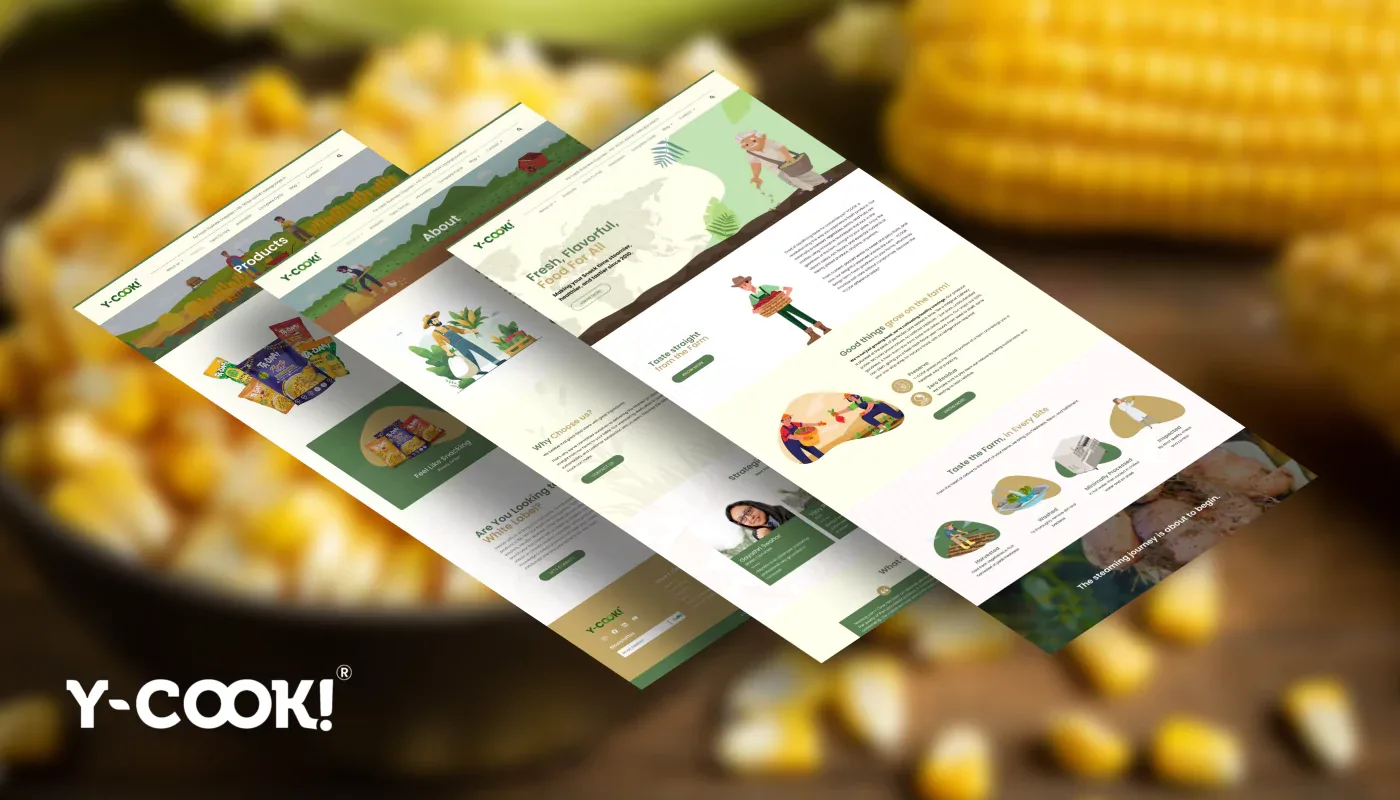 YCook · Food business website presentationReal work
The YCook showcase asset provides real food-category website work for the collection and product-planning section. Its screens, words and brand marks must remain as published.
Read the case study → Karara Ceramics · Product brand website presentationReal work
Karara’s published website presentation gives the page real product-led brand work with a different catalogue and visual language from fashion or food.
Read the case study →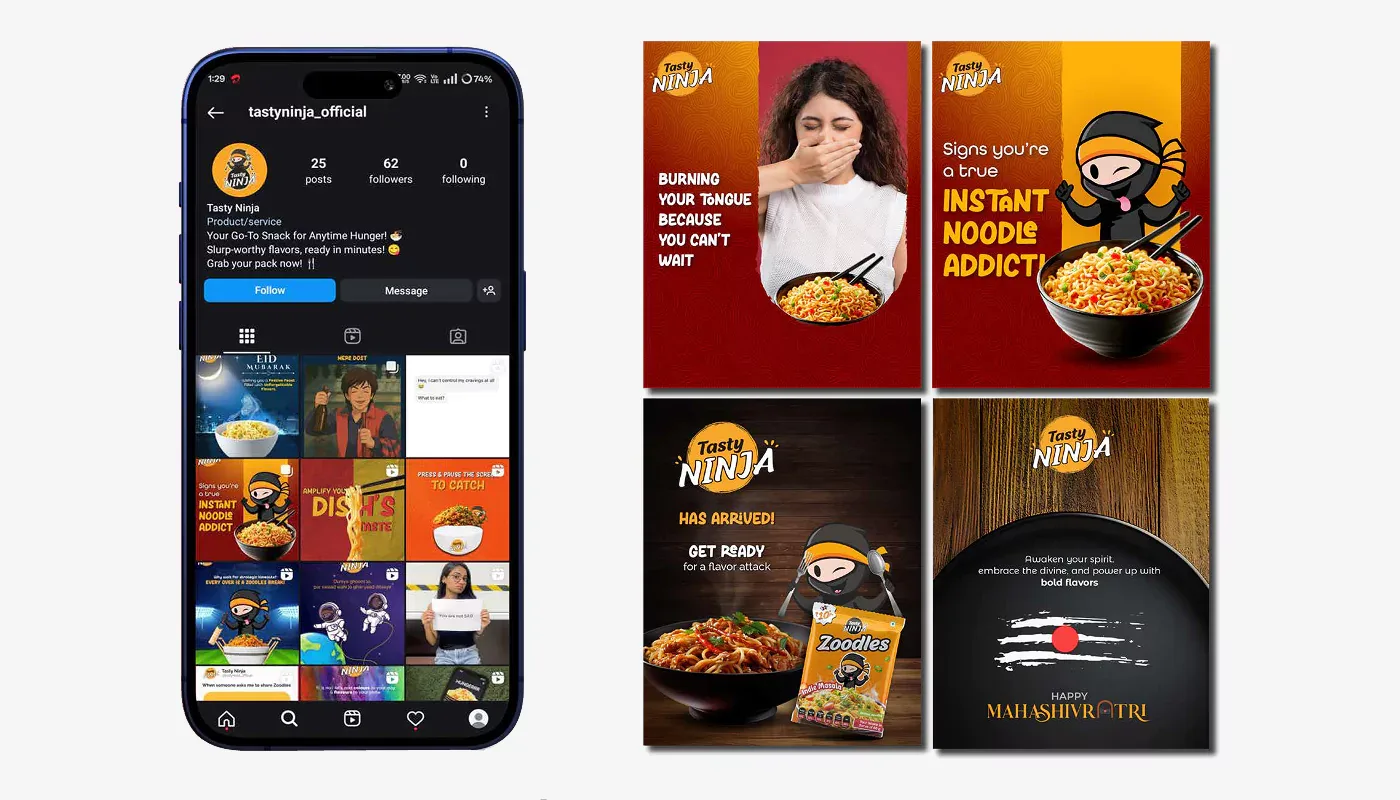 Tasty Ninja · Food product campaign and social feedReal work
Tasty Ninja’s real showcase assets add a merchandising and campaign reference for a product brand that needs its store and social creative to share a recognisable system.
Read the case study →4.9 / 5
“With our growing presence across diverse domains, an effective digital presence and communication strategy is imperative. We are sure that DigiStreet Media, with its creative skillset and proven digital expertise, will play a pivotal role in elevating JBM Group’s online brand experience, thereby, expanding global brand reach.”
Mr. Dushyant Sharma
Group Head, Marketing Communications & Branding, JBM Group
4.8 / 5
“In an era where digital presence is crucial, we are thrilled to entrust DigiStreet Media with our digital and creative mandate. Their proven track record and innovative approach align with our objectives, and we believe this partnership will elevate our brand in the digital realm.”
Ms. Charu Goswami
Head of Corporate Communications, SLCM
5.0 / 5
“We had this idea in our minds to associate Sirca with homes. This brand communication DigiStreet came up with has really stood strong from that point of view. I also think that this communication has enough scalability to play many stories and has the ability to connect it to both our consumers and key stakeholders.”
Mr. Apoorv Agarwal
Joint Managing Director, Sirca Paints
4.9 / 5
“An ever-energetic team with the true essence of timelines & technology as well as in-depth knowledge – this is what I can say for team DigiStreet. The swiftness and efficiency with which DigiStreet has completed the project well on time is truly commendable. Omaxe’s relation with DigiStreet has further strengthened with this project!”
Mr. Deepak Rawat
Product Head – Marketing, Omaxe Group
4.9 / 5
“We are happy that we are on the cutting edge with our new website and have synergised our entire web experience – social media handles, Amazon store etc. with the website.”
Mr. Amar Wadhwa
Marketing Consultant, Halonix
5.0 / 5
“What intrigued and excited me about DigiStreet is the amount of research and perspective the agency team provided us with. Along with brand communication and marketing outlook, the team has also stepped up with setting up online marketplaces, redesigning product packaging, web development, and social media.”
Mr. Samarth Gupta
Director, Farmer Fresh
5.0 / 5
“Over the last five years, Kavish Arora and the team at DigiStreet Media have become an extended part of our marketing team at Voting Portals. From a simple email design to SEO, website design, digital campaigns and video production, they have consistently stepped in and delivered.”
Don Gonzales
Marketing Head, Voting Portals, USA
4.9 / 5
“We met Kavish during the lockdown, when Cyboard School was still an idea: to build India's first online school. His team helped turn that idea into a market-ready brand through website design, SEO, social media, UGC content and the many day-to-day requirements of launching something new.”
Rajat
Founder & Managing Director, Cyboard School
4.9 / 5
“Kavish and his team worked with us for more than four years across social media, SEO and performance marketing. Their strategic and consistent support strengthened our brand presence and helped us reach international patients from Africa and the Middle East.”
Anupam Pandey
Owner & Marketing Director, Asian Hospital, Faridabad
Awarded Digital Marketing Agency
Over 100
 reviews


