



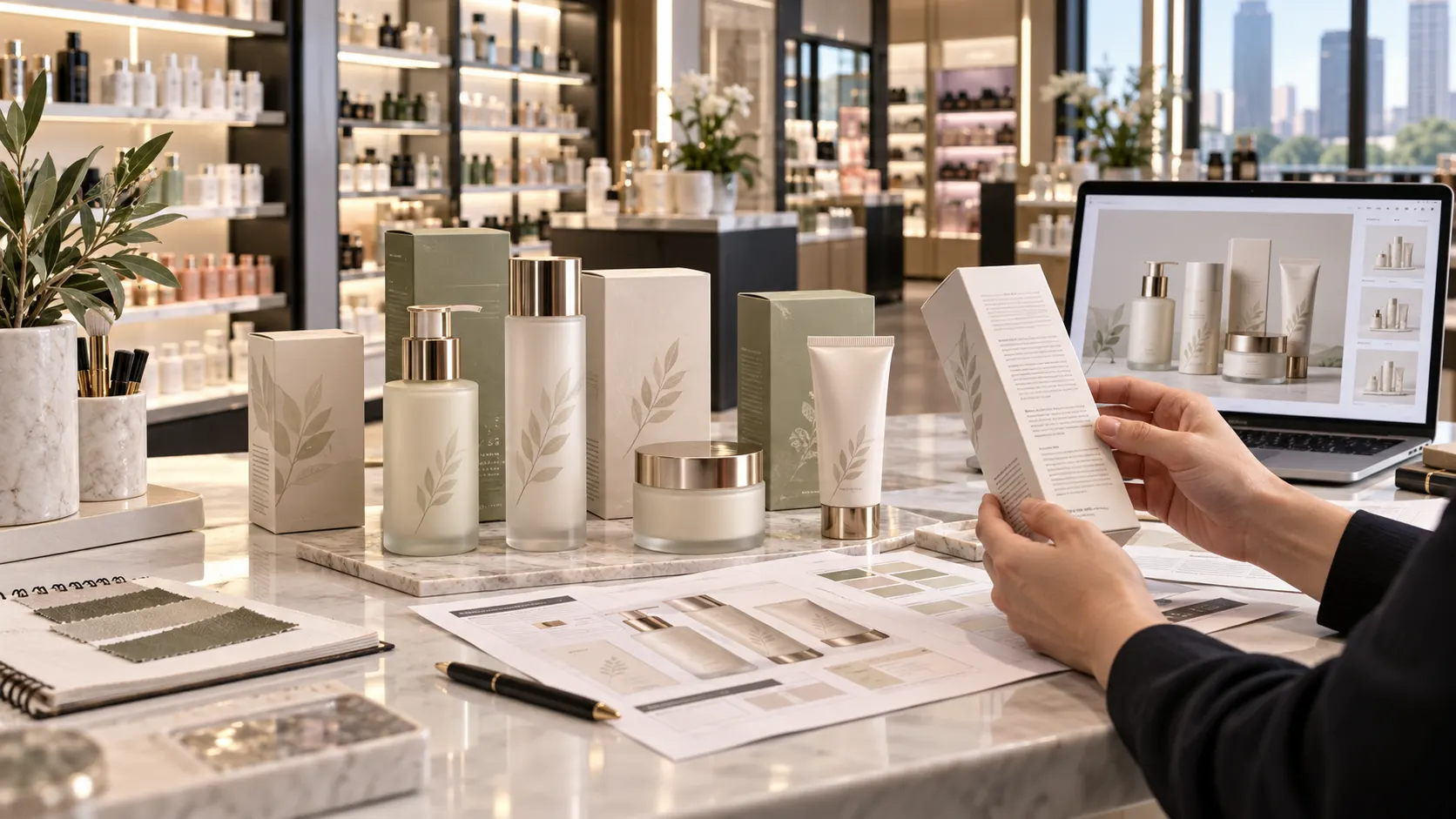
A beauty product gets roughly three seconds on a crowded US retail shelf before a shopper moves on to the next brand. Brand packaging design for beauty brands entering the US retail market has to win that moment while also meeting FDA labeling rules, retailer standards, and the expectations of American beauty shoppers who already have dozens of trusted options.
Many Indian and international beauty brands arrive in the US with strong formulas and loyal home-market customers, then discover their packaging does not translate. This blog covers what needs to change, what must stay consistent, and how to get packaging ready before a single unit ships.
Digistreet Media designs product packaging and runs beauty and skincare marketing for brands including Vega Beauty, Repechage, JB Skincare, Mirasa Ayurveda, and Dr Haror’s Wellness, giving the team direct experience with how beauty packaging performs on shelf and on screen.
Many beauty brands enter the US with packaging built for their home market, missing required label elements, using unclear product claims, or blending into a shelf full of similar-looking competitors. These gaps delay retailer approvals and cost sales from day one. Digistreet builds US-ready packaging that combines shelf impact with label compliance, so your launch starts with packaging that sells rather than packaging that needs a costly reprint.
Why brand packaging design for beauty brands entering the US retail market needs a fresh strategy
US beauty retail is one of the most competitive shelf environments anywhere, and shoppers make fast decisions based on colour, finish, typography, and claims visible from a distance. Effective brand packaging design for beauty brands entering the US retail market starts with competitive shelf research, studying how established brands in the same category and price tier present themselves, then finding a clear visual space the new brand can own.
This does not mean abandoning a brand’s identity. A strong heritage story, such as Ayurvedic ingredients or dermatologist-led formulation, often becomes a genuine differentiator in the US. The packaging simply needs to communicate that story in a way American shoppers understand instantly. Digistreet’s product packaging work balances this carefully, keeping the brand’s core identity intact while adapting hierarchy, language, and claims for the new market.
Meeting FDA cosmetic labeling requirements before production
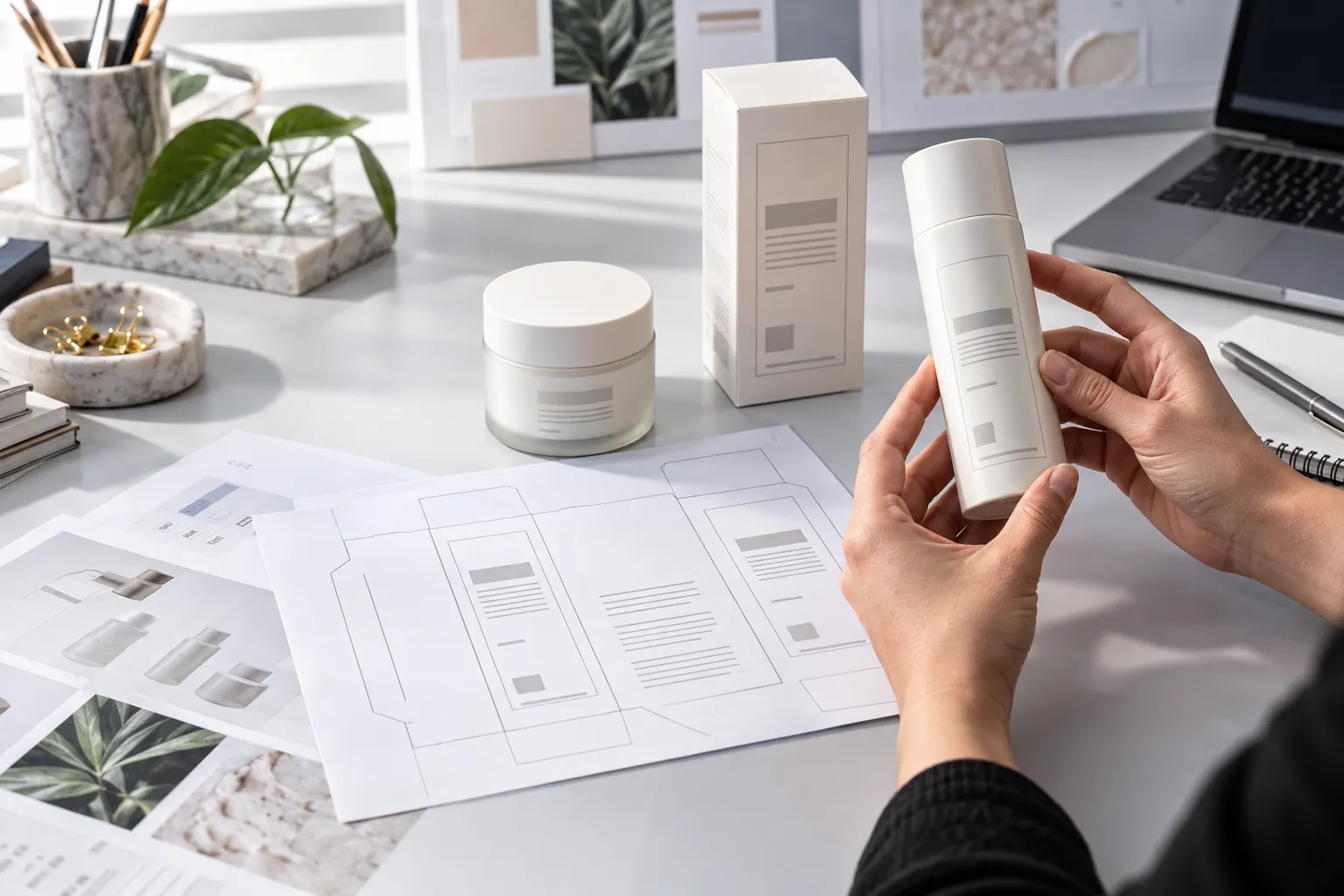
Compliance mistakes on beauty packaging are expensive, since fixing them usually means reprinting entire production runs. FDA cosmetic labeling requirements under the Federal Food, Drug, and Cosmetic Act and the Fair Packaging and Labeling Act set out what a cosmetic label must show. The principal display panel needs a statement of identity describing what the product is, along with the net quantity of contents in both US customary and metric units.
The information panel carries further requirements, including an ingredient declaration listed in descending order of predominance, and the name and place of business of the manufacturer, packer, or distributor. Imported products also need country of origin marking, such as “Made in India”, to satisfy US Customs requirements.
The Modernization of Cosmetics Regulation Act of 2022, known as MoCRA, added further obligations. Cosmetic labels must now include domestic contact information, such as a US address, phone number, or electronic contact, so consumers can report adverse events. MoCRA also introduced facility registration and product listing requirements for companies selling cosmetics in the US. Brands should confirm final label copy with a US regulatory specialist, and a packaging team that understands these rules makes that review far quicker.
Watching the line between cosmetic and drug claims
Product claims carry real regulatory weight in the US. A product the FDA treats as a cosmetic cleanses, beautifies, or improves appearance, while a product claiming to treat or prevent a condition, or to affect the structure or function of the body, may be regulated as a drug. Sunscreens with an SPF claim and anti-acne treatments, for example, fall under over-the-counter drug rules and need a Drug Facts panel rather than a standard cosmetic label.
This distinction shapes packaging copy directly. Words like “heals”, “cures”, or “repairs damaged skin cells” can move a product into drug territory and trigger requirements the brand never planned for. Digistreet writes packaging claims that stay persuasive while respecting these boundaries, since strong benefit language and compliant language can absolutely work together.
Designing beauty product packaging for retail shelves and screens
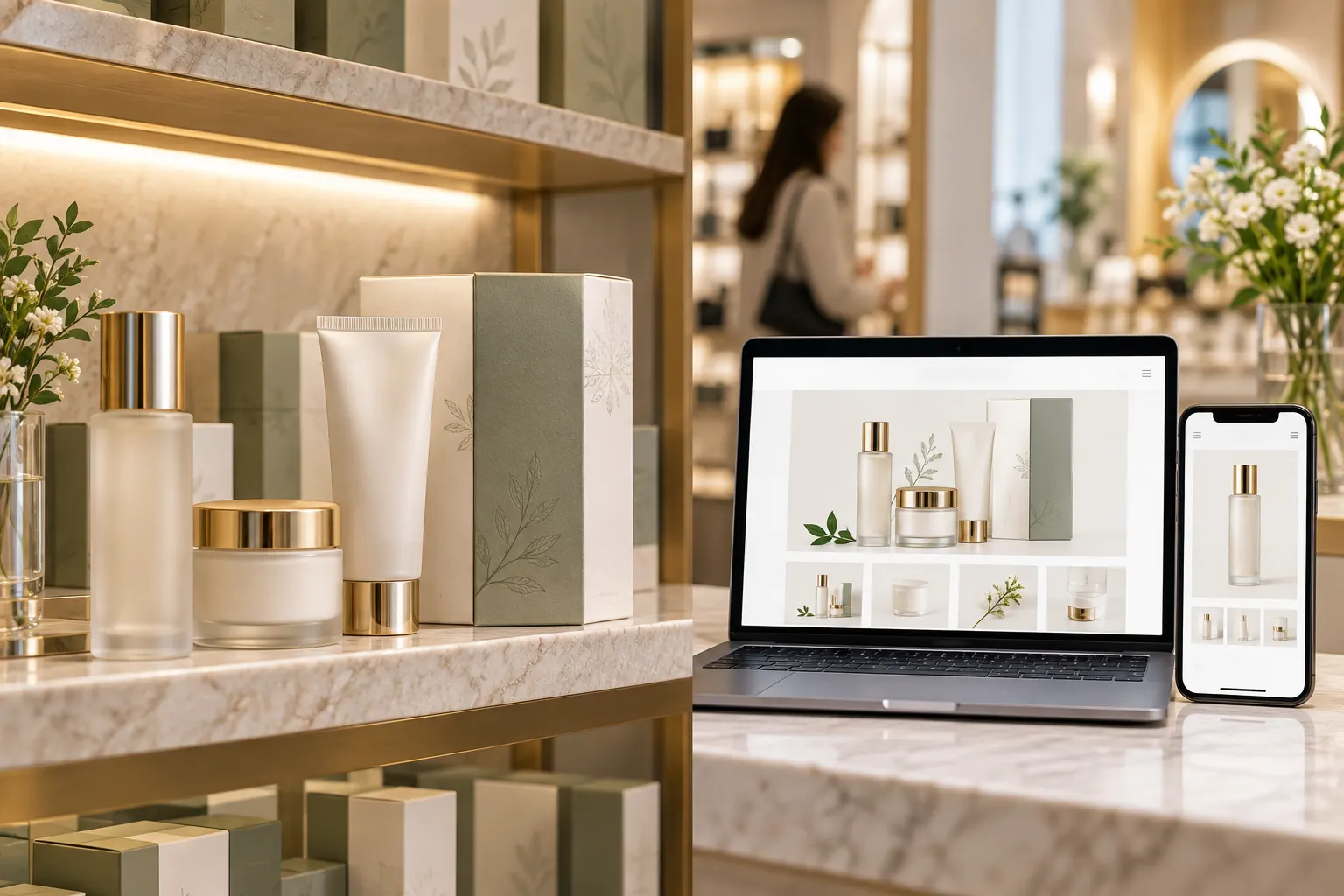
US beauty shoppers increasingly discover products online before seeing them in stores, which means beauty product packaging for retail now has to perform in two places at once. On shelf, it needs strong contrast, a clear brand mark, and a readable product name from several feet away. On screen, it needs to be photographed cleanly as a small thumbnail on a retailer’s website or a social media feed.
A few design choices consistently help beauty packaging succeed across both environments:
- A single dominant brand mark rather than competing logos and badges
- Product type and key benefit readable within one glance at the front panel
- Finishes and colours tested under store lighting and in product photography
Retailer requirements matter here too. Most US retailers expect a UPC barcode, typically issued through GS1 US, and many major beauty retailers apply their own ingredient, sustainability, or labeling standards for brands they stock. Checking these standards early prevents approval delays later.
Choosing a skincare packaging design agency that understands the category
Skincare packaging carries unique pressures. Formulas can be sensitive to light and air, shoppers expect ingredient transparency, and premium positioning depends heavily on tactile quality. A capable skincare packaging design agency considers structure and material alongside graphics, recommending airless pumps, opaque containers, or tamper-evident seals where the formula demands them.
Sustainability expectations also run high among US beauty shoppers, and clear, honest messaging about recyclable materials or refill options can influence purchase decisions. Digistreet’s beauty and skincare marketing work reflects this, having produced sustainability-themed content around clean ingredients and eco-friendly packaging for beauty clients. Any environmental claim on pack needs genuine substantiation, since vague “green” language can undermine trust quickly.
Planning beauty brand US market entry beyond the pack itself
Packaging never launches alone. A successful beauty brand US market entry connects packaging with the brand’s website, retailer listings, social content, and launch campaigns, so shoppers recognise the same product everywhere they encounter it. Mismatched visuals between the physical pack and online listings create doubt at exactly the moment a new brand needs trust most.
Digistreet has seen this connection matter across categories, including Farmer Fresh, where packaging redesign became a core part of the brand’s wider market strategy rather than a standalone design task, an approach explored further in Digistreet’s guide to product packaging design for FMCG brands. The same principle applies to beauty brands entering the US, where packaging, digital presence, and launch messaging need to move together from the start.
Final thoughts
Brand packaging design for beauty brands entering the US retail market succeeds when shelf appeal, compliance, and brand story work together from the first sketch. Brands that research the competitive shelf, respect FDA and MoCRA requirements, write careful claims, and plan for both retail and online discovery launch faster and avoid costly reprints.
If your beauty brand is preparing for US retail, Digistreet can review your current packaging and show exactly what needs adapting before launch. Book a free strategy call with our team and get a clear plan for packaging that earns attention on US shelves and trust from US shoppers.
Frequently Asked Questions
What does brand packaging design for beauty brands entering the US retail market need to include?
It needs a clear statement of identity, net quantity in US and metric units, an ingredient list, business name and address, country of origin, and MoCRA contact details. Digistreet builds these elements into US-ready packaging from the first draft.
What are the main FDA cosmetic labeling requirements for imported beauty products?
Labels must show product identity, net contents, ingredients in descending order of predominance, and the responsible business’s name and place of business. Digistreet recommends a final check with a US regulatory specialist before printing.
Does MoCRA change cosmetic packaging design USA brands must follow?
Yes, MoCRA requires domestic contact information on cosmetic labels so consumers can report adverse events. Digistreet plans label layouts with space for these newer requirements.
Can a beauty product claim change how the FDA regulates it?
Yes, claims to treat or prevent conditions can classify a product as a drug, which brings different labeling rules. Digistreet writes packaging claims that stay persuasive without crossing into drug territory.
How should beauty product packaging for retail work online as well as on shelf?
It should read clearly from a distance in store and still look sharp as a small product thumbnail online. Digistreet tests packaging designs in both shelf and screen formats.
What should a skincare packaging design agency consider beyond graphics?
It should consider formula protection, material choice, pump or seal structure, and credible sustainability messaging. Digistreet balances structural and visual decisions for skincare clients.
How long does packaging preparation for beauty brand US market entry take?
Timelines depend on range size, compliance review, and print production, so brands should start well before their planned launch. Digistreet scopes each project around the brand’s retail launch date to avoid rushed reprints.