Alert: DIGISTREET does not offer any jobs via WhatsApp. Such messages are fraudulent. Apply only through official channels. Stay mindful. Stay safe.
Store strategy, design, development and measurement

Ecommerce Website Development Company for Stores Built to Sell

DigiStreet builds ecommerce websites around the catalogue, buying decision and work that happens after an order. Platform choice, product data, collection structure, checkout, payments, fulfilment and reporting are treated as one store system. The starting price for an ecommerce website is ₹2,50,000 plus GST.

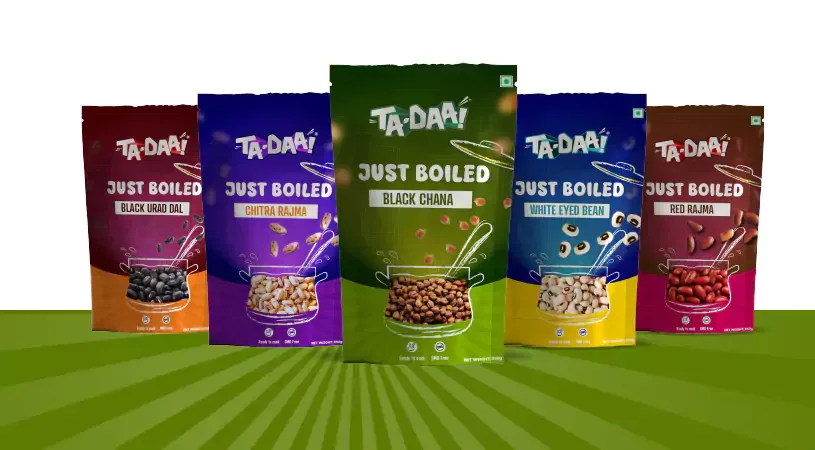
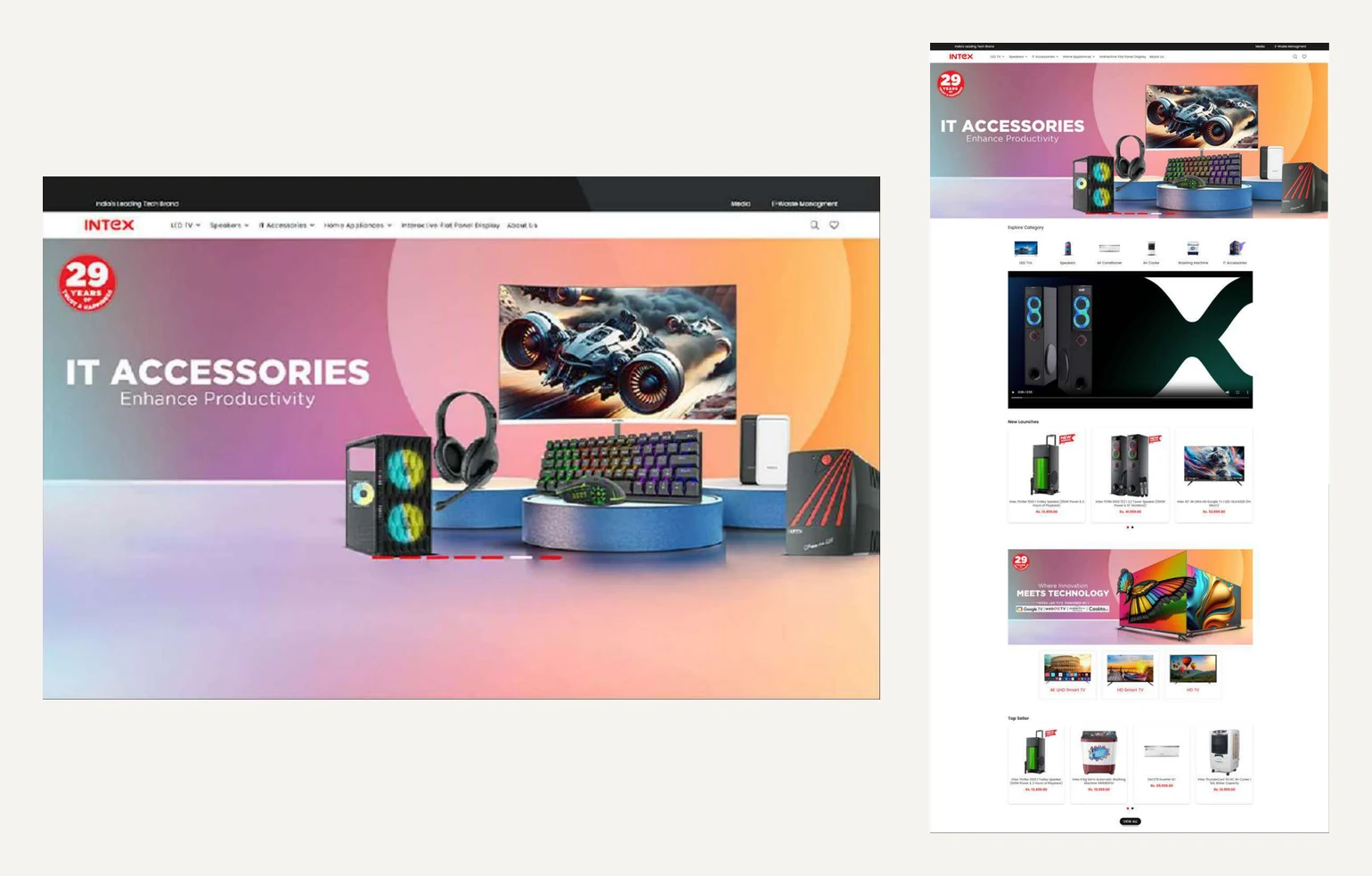
Bonsoir, Intex, Tadaa real DigiStreet client work
The answer first

The store has to work for the customer and the team running it

An ecommerce website development company should begin with the catalogue and operating model, not a homepage mood board. A store needs accurate product records, collections people can understand, useful search and filtering, a checkout suited to the market, and clear ownership after launch. The right platform is the one the client team can maintain without turning every price or stock change into a development ticket.

DigiStreet scopes ecommerce websites from ₹2,50,000 plus GST. The final scope reflects catalogue size, product types, content, migration, payment and shipping rules, integrations, languages, markets and approval load. Shopify often suits a commerce-first team that wants managed infrastructure. WooCommerce can suit a content-heavy business already working in WordPress. A custom build is reserved for rules that standard platforms cannot carry cleanly.

Audience and intent

Choose the platform after mapping the work

The platform decision affects the checkout, admin routine, app costs, development freedom and the people needed to maintain the store. We document those consequences before design begins.

Shopify for a commerce-first operation

Shopify can reduce infrastructure work and give the team a maintained checkout, product admin and app ecosystem. The scope still needs careful theme, catalogue, market, tax, payment, shipping and analytics decisions.

WooCommerce for content plus commerce

WooCommerce can fit when editorial content, guides and organic discovery sit beside the catalogue. Hosting, plugin choices, updates and performance need a named owner because the business controls more of the stack.

Custom development for unusual rules

A custom route earns its cost when pricing, account roles, configuration, bulk ordering, approval, inventory or integration logic cannot be expressed well in a standard platform. The rule is documented before code is estimated.

Replatforming for an active store

A migration has to retain product records, customer and order requirements, redirects, analytics and daily trading continuity. The release plan is written around the risks of moving a store that already takes orders.

01

The catalogue is the first design system

Product data decides whether a buyer can compare and choose. We define the fields for title, description, media, variant, size, material, ingredient, specification, price, availability, delivery and care before laying out a product page. The same source should feed collection cards, search results, structured data and internal reports. When a field has no owner, it becomes stale. The catalogue sheet therefore names who supplies each value, how it is checked and how changes reach the live store.

Collections need a buying reason. A fashion store may organise by category, fit, fabric and occasion. A technical catalogue may need application, capacity, compatibility and document filters. Search terms from the current site, customer-service questions and merchandising priorities inform the structure. We avoid creating near-identical collections purely for keywords. A useful collection helps someone narrow the range and gives search engines a page with a clear subject, original introduction and maintained product set.

02

Product pages answer the decision in order

A product page should put the name, price, available choice and buying action where a mobile visitor can use them. Evidence then follows the question: what it is, who it suits, what changes between variants, when it arrives, how returns work and what support is available. Media needs a defined role rather than a decorative gallery. A detail image, scale view, use demonstration and specification diagram each answer a different doubt.

Trust information belongs close to the point where it matters. Delivery language sits near availability. Returns and exchange routes sit near the buying action and order support. Product claims use approved source material. Reviews are shown with their real context. If a buyer has to leave the page to understand a size, ingredient or compatibility point, the product record is incomplete. Those gaps become data or content tasks before the visual polish round.

03

Checkout starts before the cart

The checkout path begins when a collection promises that an item is available. Cart rules, discounts, tax, shipping methods, serviceable locations, payment choices and confirmation messages must agree with that promise. We map normal orders and exception paths such as an unavailable postcode, failed payment, changed quantity, coupon conflict or split shipment. The customer should know what happened and what to do next without starting again.

Guest checkout, account creation and saved details are chosen around repeat behaviour and operational need. Every extra field needs a reason. On mobile, keyboards, validation, address entry and payment hand-off are tested on real devices. Confirmation pages and emails carry the actual order state and support route. Abandoned-checkout reporting is useful only when the team can see where the path failed and which change it plans to test.

04

Store operations stay visible in the build

The admin experience is part of the product. Merchandising teams need a predictable way to create products, schedule a launch, change a price, group a collection and remove an unavailable item. Support teams need order status and customer context. Finance and fulfilment may need exports or integrations. We walk through those tasks with the people who perform them and record which actions live in the platform, an app, an ERP or a manual checklist.

Integrations are scoped by data direction, field ownership, timing and failure handling. Saying that a store connects to inventory or a courier is not enough. The brief names which system owns stock, when updates run, what happens when a code is missing and who sees an error. This prevents the polished front end from hiding a daily spreadsheet problem. It also gives custom development a clear boundary and test case.

05

SEO and measurement are release requirements

Commerce SEO begins with crawlable categories, stable product URLs, useful product information, internal links and a redirect plan. Variant and filter behaviour must be decided so the site does not publish thousands of thin combinations. Out-of-stock and discontinued products receive different handling. Structured data uses current product records. Content work supports genuine comparison and use questions instead of repeating supplier descriptions across the catalogue.

Measurement covers product views, list use, search, cart actions, checkout stages, completed orders and agreed business events. The event names, values and consent behaviour are tested before launch. Revenue reports are reconciled against the store rather than accepted because a tag fired. After release, the first review checks failed searches, product exits, device differences, payment errors and support questions. That evidence shapes the next merchandising and development list.

06

Launch is a controlled trading event

A release checklist covers catalogue freeze, redirects, domains, certificates, payment modes, tax, shipping, transactional email, analytics, consent, search visibility and rollback ownership. Test orders include success and failure paths. The client team receives an admin walkthrough using its own products and trading routine. Access is assigned to named people rather than shared accounts. The launch window is chosen with order volume and support coverage in mind.

The first weeks are used for observation and correction. We read customer-service issues beside analytics, because an event report cannot explain every hesitation. Search terms reveal missing synonyms. Returns can expose unclear sizing or product detail. Repeated delivery questions point to placement or wording. The improvement queue stays tied to a buyer or operating problem, giving the store team a reason for each change and a way to judge the result.

Scope

What the ecommerce build can include

Discovery and store specification

Catalogue, buyers, trading rules, content, systems, roles and launch constraints turned into a page and feature plan.

UX and visual design

Mobile-first collection, product, cart, account and content templates built around the approved brand and catalogue.

Platform development

Shopify, WooCommerce or custom implementation with tested components, permissions and maintainable content controls.

Product and content migration

Field mapping, media preparation, redirects and controlled transfer from the current store or catalogue source.

Payments, shipping and integrations

Agreed gateways, fulfilment rules and system connections specified with ownership, error handling and acceptance tests.

SEO, analytics and launch

Indexation controls, structured product records, events, test orders, team training and a supported release checklist.

Published pricing

Ecommerce websites start at ₹2,50,000 plus GST

The published starting price covers a scoped ecommerce website. Catalogue preparation, paid apps, licences, hosting, product photography, copy volume and complex integrations are priced from the agreed specification.

Ecommerce websiteFrom ₹2,50,000 plus GST

A scoped Shopify, WooCommerce or comparable store with agreed templates, catalogue work and launch requirements.

Get a quote
Content-led websiteFrom ₹1,00,000 plus GST

A CMS website without store checkout; useful when enquiry or publishing is the primary action.

Get a quote
B2B websiteFrom ₹1,75,000 plus GST

A business website with deeper service, sector, resource and enquiry architecture.

Get a quote
Corporate websiteFrom ₹2,25,000 plus GST

A larger corporate structure with several audiences, divisions or approval groups.

Get a quote

Every package is scoped before work starts. Ecommerce extensions, platform subscriptions, payment charges, logistics fees and third-party services remain visible as separate operating costs.

How it runs

The build moves from operating rules to a tested store

Design and development run against one approved specification, while catalogue and integration work move in parallel with named owners.

01
Weeks 1 and 2

Map catalogue and operations

Agree products, variants, collections, markets, payments, shipping, integrations, content and current migration risks.

02
Weeks 3 and 4

Approve the buying system

Review mobile wireframes, product records, collection logic, cart behaviour and the reusable visual components.

03
Build phase

Develop and load real products

Configure the platform, build templates, connect agreed services and test with complete representative catalogue records.

04
Release phase

Test orders and hand over

Run device, payment, shipping, analytics, redirect and admin tests, then release with support owners and a correction queue.

Bring the catalogue and the real fulfilment rules

We will map the platform decision, product data, buying path, integrations and release risks, then price the store against the work your team will actually maintain.

Get a quote
Questions

Common questions about this service

DigiStreet ecommerce website projects start at ₹2,50,000 plus GST. The final fee reflects catalogue size, platform, migration, integrations, markets and content work.

Yes. We work with Shopify and WooCommerce, and recommend a custom build when the operating rules cannot be handled cleanly by a standard platform.

Yes. The migration scope can include product data, media, redirects and the customer or order records the chosen platform and business process require.

Yes. Agreed payment gateways and shipping rules are included in the technical specification, with live credentials and commercial accounts supplied by the client.

Technical foundations such as crawl controls, product records, redirects and measurement are planned in the build. Ongoing SEO starts at ₹50,000 plus GST a month.

The release includes handover and an agreed support period. Ongoing development, merchandising, SEO or media can then be scoped against the store’s operating list.

4.8/5

Rated 4.8 out of 5 from 250+ client reviews across Clutch, Google, AmbitionBox and Facebook. Read all client testimonials.

9 of 250+ reviews

4.9 / 5

“With our growing presence across diverse domains, an effective digital presence and communication strategy is imperative. We are sure that DigiStreet Media, with its creative skillset and proven digital expertise, will play a pivotal role in elevating JBM Group’s online brand experience, thereby, expanding global brand reach.”

Mr. Dushyant Sharma

Group Head, Marketing Communications & Branding, JBM Group

4.8 / 5

“In an era where digital presence is crucial, we are thrilled to entrust DigiStreet Media with our digital and creative mandate. Their proven track record and innovative approach align with our objectives, and we believe this partnership will elevate our brand in the digital realm.”

Ms. Charu Goswami

Head of Corporate Communications, SLCM

5.0 / 5

“We had this idea in our minds to associate Sirca with homes. This brand communication DigiStreet came up with has really stood strong from that point of view. I also think that this communication has enough scalability to play many stories and has the ability to connect it to both our consumers and key stakeholders.”

Mr. Apoorv Agarwal

Joint Managing Director, Sirca Paints

4.9 / 5

“An ever-energetic team with the true essence of timelines & technology as well as in-depth knowledge – this is what I can say for team DigiStreet. The swiftness and efficiency with which DigiStreet has completed the project well on time is truly commendable. Omaxe’s relation with DigiStreet has further strengthened with this project!”

Mr. Deepak Rawat

Product Head – Marketing, Omaxe Group

4.9 / 5

“We are happy that we are on the cutting edge with our new website and have synergised our entire web experience – social media handles, Amazon store etc. with the website.”

Mr. Amar Wadhwa

Marketing Consultant, Halonix

5.0 / 5

“What intrigued and excited me about DigiStreet is the amount of research and perspective the agency team provided us with. Along with brand communication and marketing outlook, the team has also stepped up with setting up online marketplaces, redesigning product packaging, web development, and social media.”

Mr. Samarth Gupta

Director, Farmer Fresh

5.0 / 5

“Over the last five years, Kavish Arora and the team at DigiStreet Media have become an extended part of our marketing team at Voting Portals. From a simple email design to SEO, website design, digital campaigns and video production, they have consistently stepped in and delivered.”

Don Gonzales

Marketing Head, Voting Portals, USA

4.9 / 5

“We met Kavish during the lockdown, when Cyboard School was still an idea: to build India's first online school. His team helped turn that idea into a market-ready brand through website design, SEO, social media, UGC content and the many day-to-day requirements of launching something new.”

Rajat

Founder & Managing Director, Cyboard School

4.9 / 5

“Kavish and his team worked with us for more than four years across social media, SEO and performance marketing. Their strategic and consistent support strengthened our brand presence and helped us reach international patients from Africa and the Middle East.”

Anupam Pandey

Owner & Marketing Director, Asian Hospital, Faridabad

Awarded Digital Marketing Agency
Over 100 5 star rating reviews

Let’s Imagine, Believe, Create Together

    Select Services*

      Select Services*